Cobb County, GA is a classic case of misplaced priorities. What could $400 million for a baseball stadium have achieved had it gone toward investing in citizens’ needs and achieving real wealth?
Read More
Cobb County, GA is a classic case of misplaced priorities. What could $400 million for a baseball stadium have achieved had it gone toward investing in citizens’ needs and achieving real wealth?
Read MoreHomeownership is supposed to be the path to wealth and a comfortable retirement, but for millions of Americans, it never was. One central reason is that we’ve embraced a development pattern in which new places cannibalize the wealth of old places.
Read MorePolicy choices are often presented to us as simplistic binaries, or irresolvable clashes of competing values. Have the courage to step outside that box and ask more fundamental questions.
Read MoreTypically, the thought of converting an old subway tunnel into parking would send shivers down the spines of urbanists. But this project may be a surprisingly beneficial way to catalyze redevelopment in Rochester, New York’s recovering downtown.
Read MoreCommunities like Cobb County must address the problems that have plagued them from the outset by encouraging the style of development that produces true value per acre.
Read MoreA tour of 6 successful towns helped one Strong Towns member to better understand what makes a community resilient. His journey offers lessons for all of us.
Read MoreCounty leadership continually brags about its low tax rate and high amount of services. But if you doubt the fundamental math behind that equation, there’s no need to look behind the curtain because the ratings agencies have given Cobb top marks.
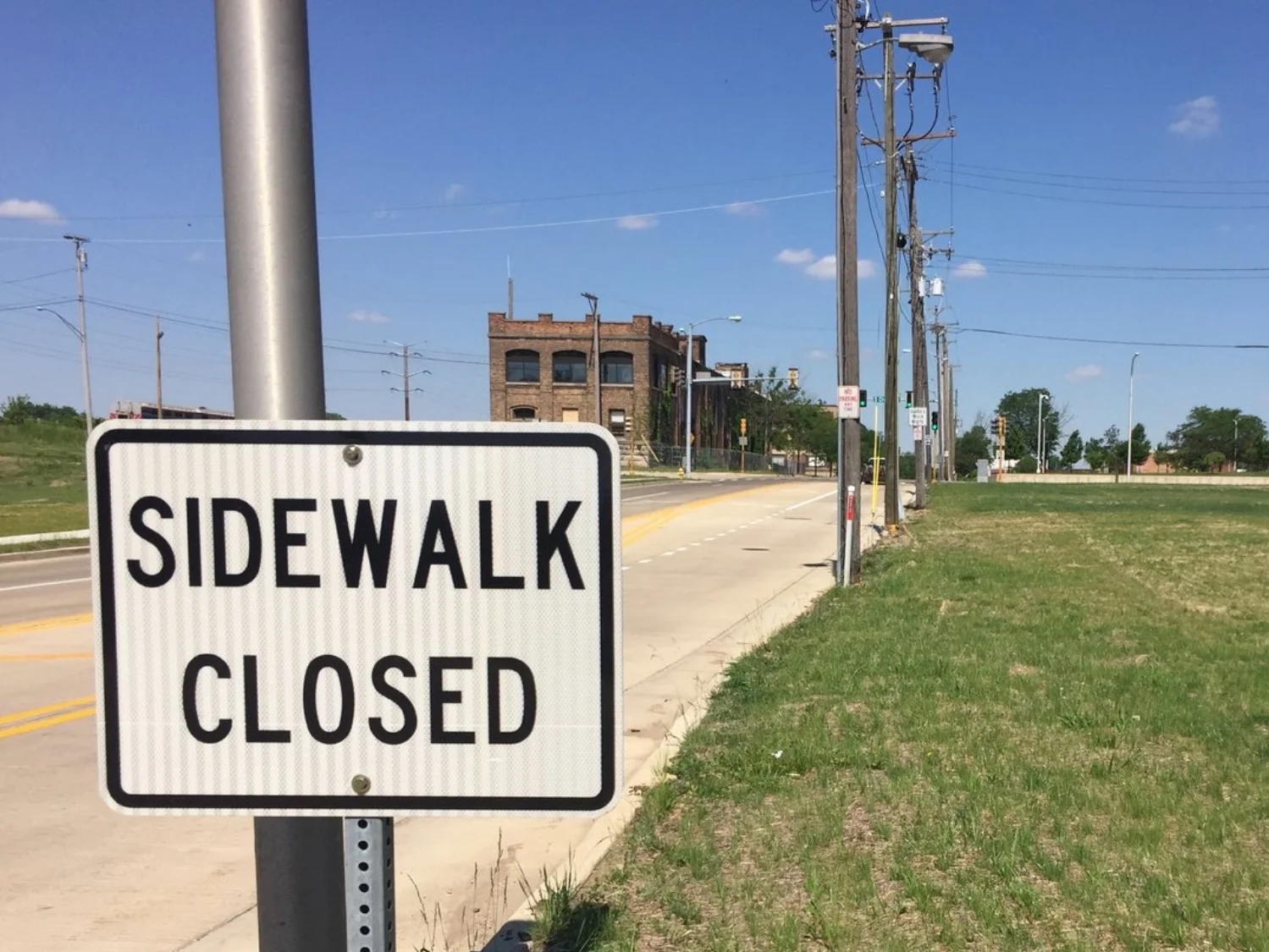
Read MoreWalkability is a word urbanists throw around, often with different ideas as to what it really means, or why we care about it. Let’s take a look at how safety, distance, convenience, and comfort affect it.
Read MoreNothing good comes of public engagement in which the public isn’t asked questions they can meaningfully contribute to answering. This is not how you build a trusting relationship: a strong foundation on which to work together. This is how you corrode trust.
Read MoreWhen a city annexes surrounding land, it’s usually touted as a benefit for residents and municipal budgets. This could not be further from the truth. Here’s the data to prove it.
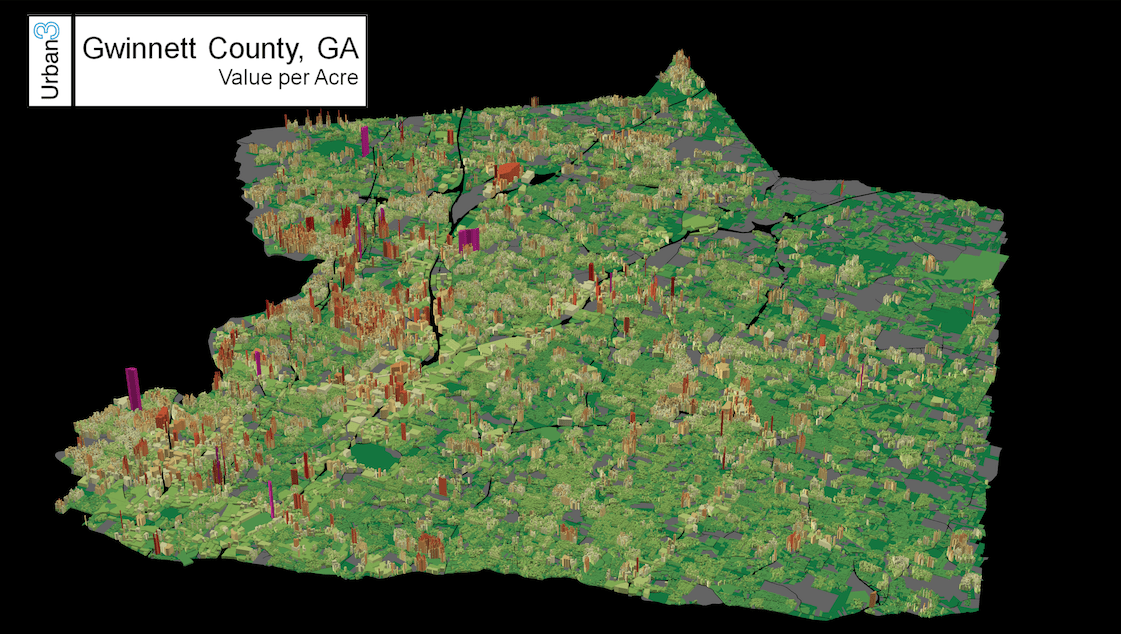
Read MoreWhy do places like Cobb County, Georgia keep spending more and more, while their municipal budgets go further and further into the red? This week at Strong Towns, we’re going to dig into the tale of Cobb County: a poster child for the Ponzi-scheme approach to growth.
Read MoreThose who benefit from an investment should pay for it. If they're unwilling to pay what it actually costs, it's a good sign that the project should never have happened in the first place.
Read MoreOne common argument against conventional public transit is that a transit agency could accommodate the same number of riders in a taxicab or dial-a-ride van. But is that really true?
Read MoreIn 2012, we added our first strategic partners and Strong Towns transitioned from side project to a legitimate organization.
Read MoreFerguson, Missouri is still relying on so-called “fines and forfeitures” for a significant amount of its revenue.
Read MoreCharging electric scooter companies for their use of public space is sensible, but why stop there? What if car drivers were actually asked to pay the full costs they impose as well?
Read MoreCommunities of faith stand in an important position to support vibrant, walkable, mixed-use neighborhoods; and in recent years, some have stepped up to the challenge at a variety of different scales.
Read More“Gamifying” public participation in budgeting—by inviting citizens to move imaginary buckets of money around—is essentially a charade. All the while, we’re failing to get to the root causes of municipal budget struggles.
Read MoreA Strong Towns member’s original research on where pedestrians are and are not hit by vehicles in his city of Rockford, Illinois, makes clear that street design matters. A lot.
Read More11 steps to more comprehensive reporting on zoning changes, new developments and everything in between.
Read More