The most important thing for a local government is to avoid ruin.
Read More
The most important thing for a local government is to avoid ruin.
Read MoreOur writers are a well-traveled bunch, and over the past few years, they’ve brought back perspectives from abroad that Strong Towns advocates in North America can learn from. Here are three lessons the rest of the world has to offer.
Read MoreTwo large development projects currently working their way through the public engagement and approvals process illustrate why suburban retrofit is a really tough proposition to stake our future on.
Read MoreA Strong Towns member shared with us a success story from the city of College Station, Texas, which recently revised its zoning code to make it easier to do incremental development by rehabilitating or expanding older structures.
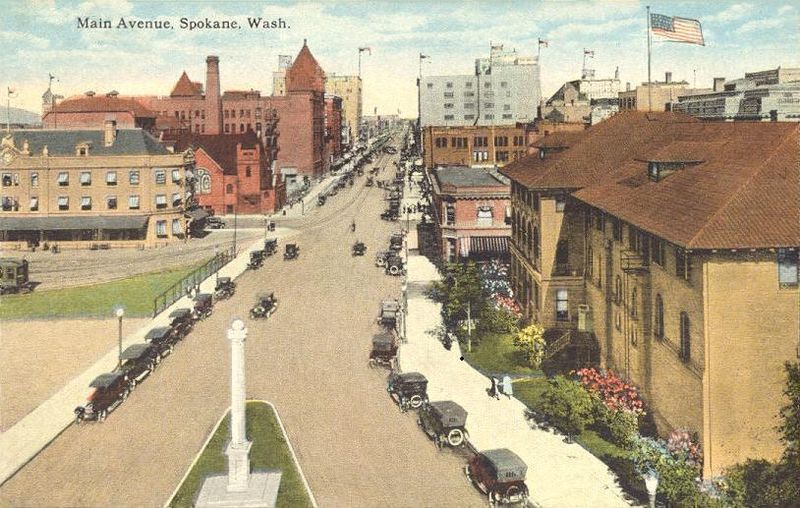
Read MoreThe history of Spokane, Washington is a microcosm of what American cities as a whole have experienced. Spokane has lessons to teach us, including the power of incremental (but rapid) growth.
Read MoreWe’re constantly told that the world has become a flaming dumpster fire, and that only large-scale actions are adequate to address today’s urgent problems. But is that true? Chuck and three panelists explore this question in a podcast episode recorded at CNU in May.
Read MoreThe idea of a community garden isn’t a new one. Now, when modern life seems to be more stressful and uncertain than ever, community gardens could prove to be the salve that heals our hurting communities.
Read MoreIf it walks like a duck and quacks like a duck, it’s probably a duck. But if a mega-project doesn’t have the characteristics—massive public debt, heavy infrastructure burdens, dubious if any benefit for the surrounding area—that usually make such projects so odious, is it still a bad deal?
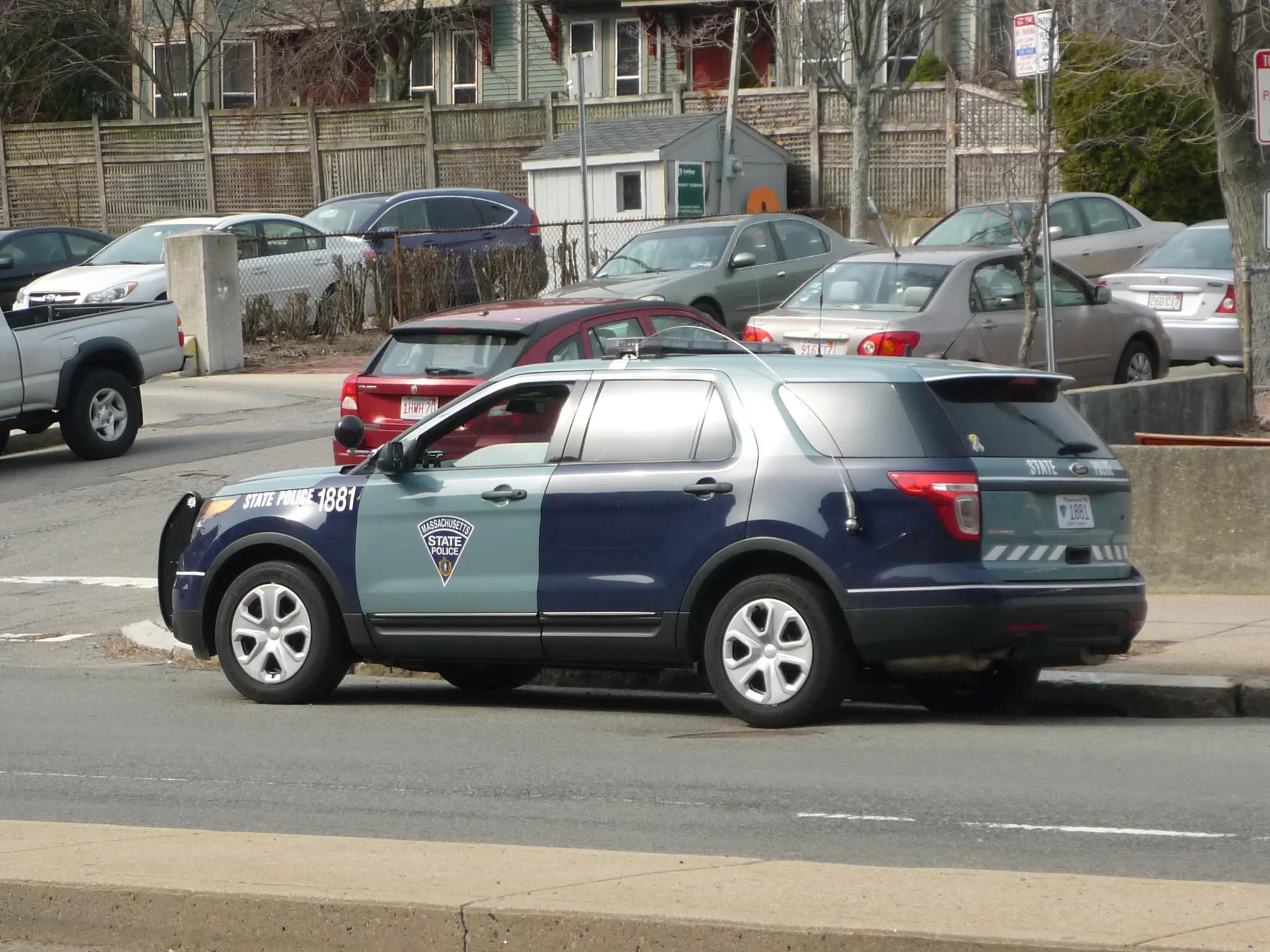
Read MoreWhen a small Massachusetts town made national news as its entire police force quit, it was easy to have preconceived notions about what the moral of the story must be. Then a reader from the town reached out to give us this far more nuanced and interesting explanation.
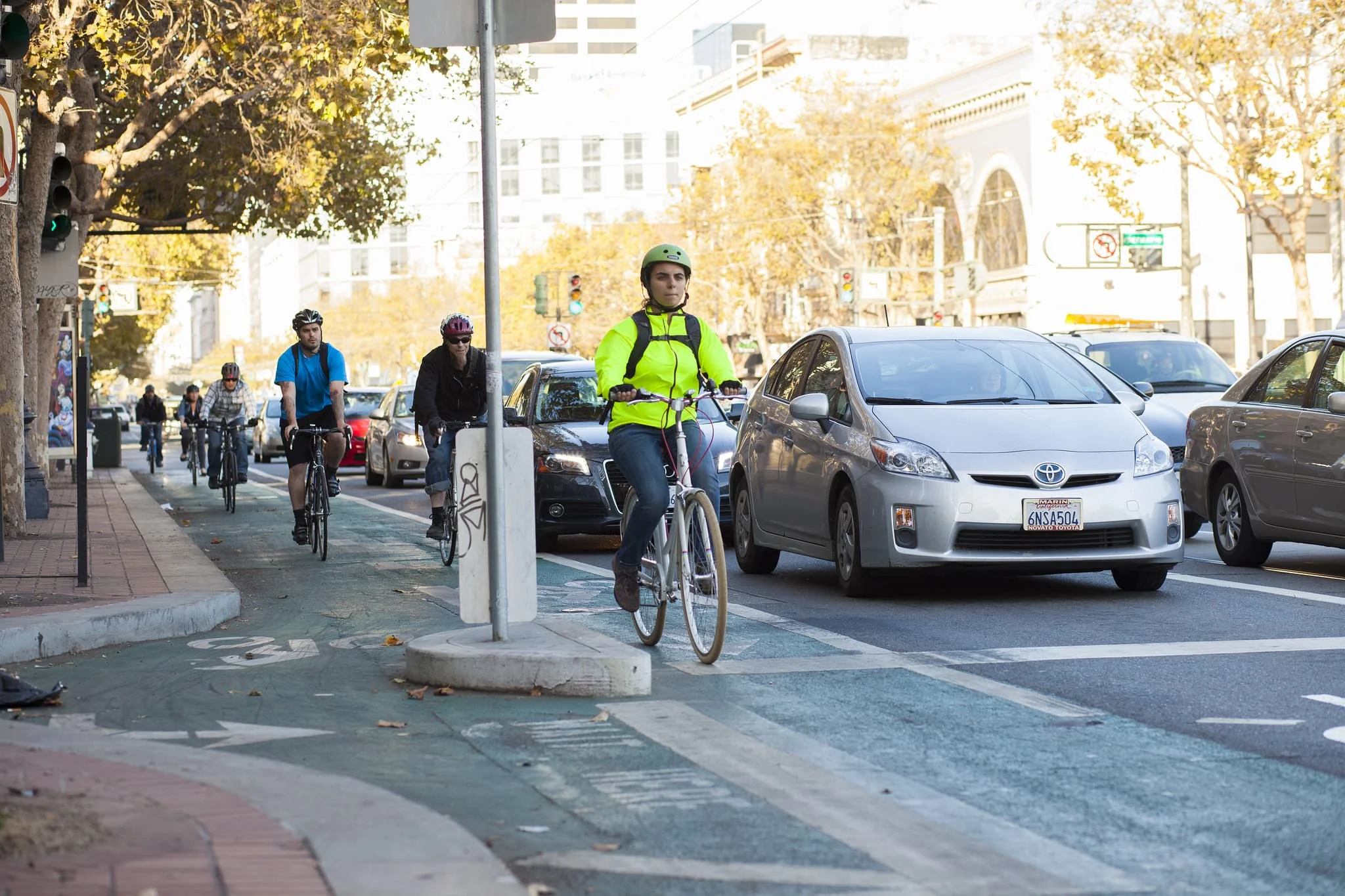
Read MoreHere are 3 reasons why drivers should be celebrating and championing bike lanes, not lamenting them.
Read MoreIs it magical thinking to expect the transition from car-dependent to walkable places to happen organically? When, and how, do we need a catalyst to jump-start that process?
Read MoreIt’s not just ride-hailed traffic that causes congestion; its all traffic. Singling out these app-based services for regulation takes transportation policy down a dead-end route.
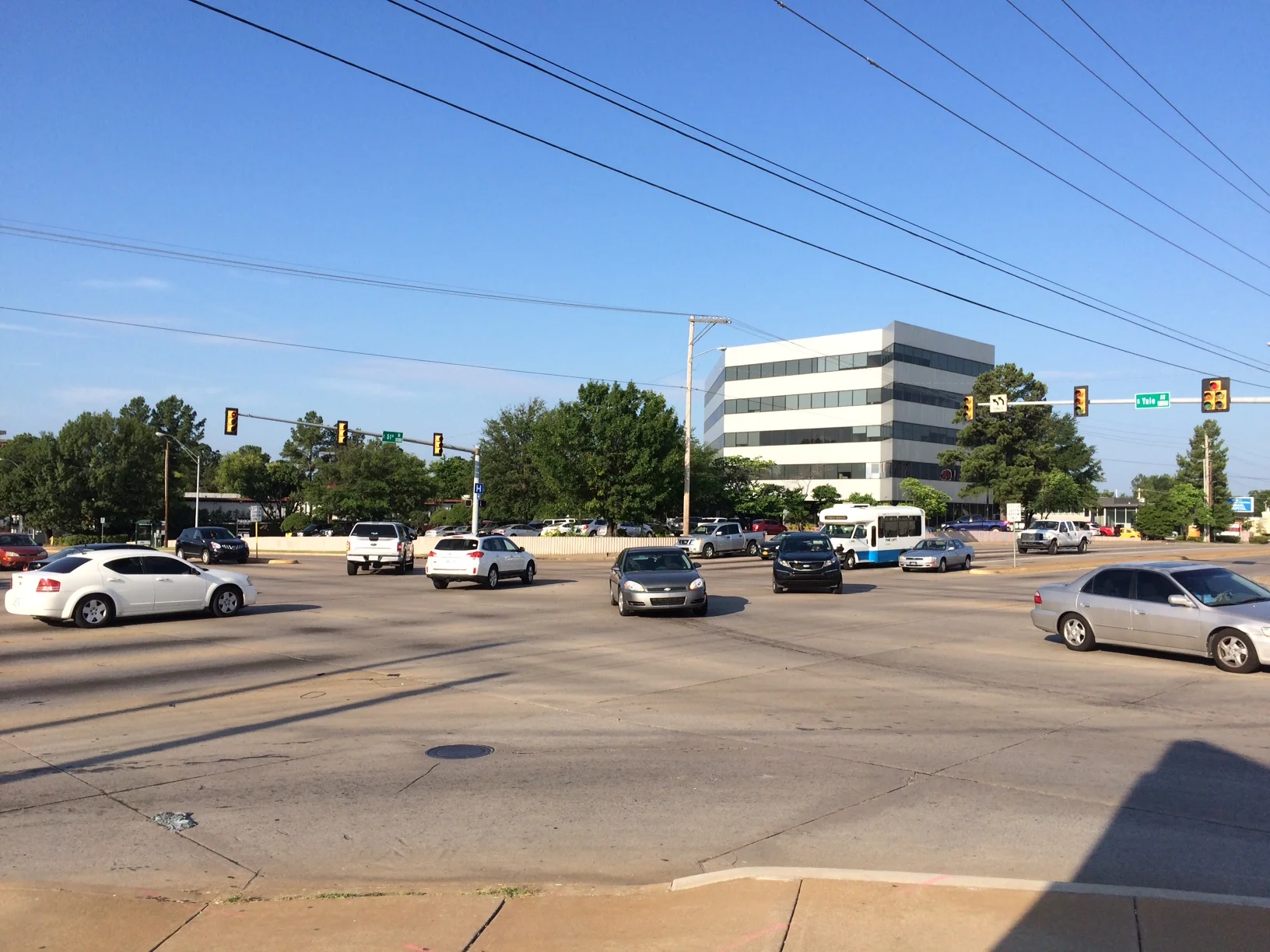
Read MoreBy overemphasizing vehicle Level of Service (LOS) we justify expensive, overbuilt streets that are dangerously inhospitable to people—just so drivers won’t be inconvenienced during peak travel times.
Read MoreWant to connect with other Strong Towns advocates in your region? Good news: We’re launching a series of regional gatherings around the United States! The first will be this October in Plano, Texas.
Read MorePerhaps we should spend more time trying to understand and appreciate the humble, marginally better neighborhoods that are already tucked away in our cities. Here’s one such neighborhood in Lexington, Kentucky.
Read MoreAkron, Ohio’s subsidies for redevelopment of the failed Rolling Acres mall are a textbook case of the sunk cost fallacy: the tendency to examine new opportunities not on their own merit, but in the context of past investments.
Read MoreThis week, we shone a spotlight on the finances of Cobb County, Georgia, explored when building a parking garage might actually be a prudent move, dissected the meaning of “walkability,” and a longtime contributor argued that public engagement done wrong is not just pointless but actively harmful.
Read MoreCobb County, Georgia, has long been all-in on debt-fueled, unsustainable growth, and faces a tough road ahead as poverty grows and its ability to provide services declines. What are some rational responses to this predicament?
Read More“It’s a beautiful day in the neighborhood.”
Read MoreWe have chosen a rural life—who pays for our infrastructure? The short answer is: we don't have much of it, but we take care of our own needs. Strong towns require strong citizens: people who learn to take control of their lives and do for themselves things that are doable.
Read More