Something as small as public art can help transform the public’s perception of a troubled neighborhood park. It’s a testament to the power of bottom-up, incremental change.
Read More
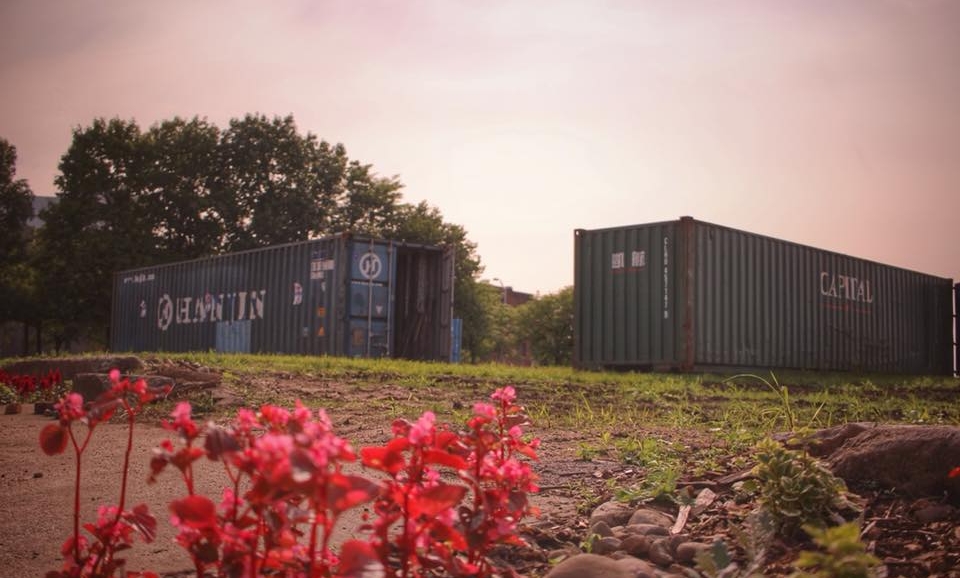
Something as small as public art can help transform the public’s perception of a troubled neighborhood park. It’s a testament to the power of bottom-up, incremental change.
Read MoreUniversity City, Missouri, is on the verge of a terrible decision: a redevelopment deal that would displace dozens of homes and minority-owned businesses in its unofficial “Chinatown” for big-box retail subsidized through tax-increment financing.
Read MoreAs technology becomes cheaper and more commonplace, it’s not driving us away from cities. Rather, it’s making the other attributes of place—especially human capital, social interaction and quality of life—more valuable.
Read MoreIf you had five minutes to plant a seed in the mind of an influential leader in your community, what would you tell them? Or give them to read? What article do you wish Strong Towns would publish that would help you make a concrete, needed change in your own community?
Read MoreLess than 20% of the country lives in regions with high-quality transit systems that serve most of the population. There is a stark divide between the six or eight large metros that are the most urban in the United States, and everywhere else.
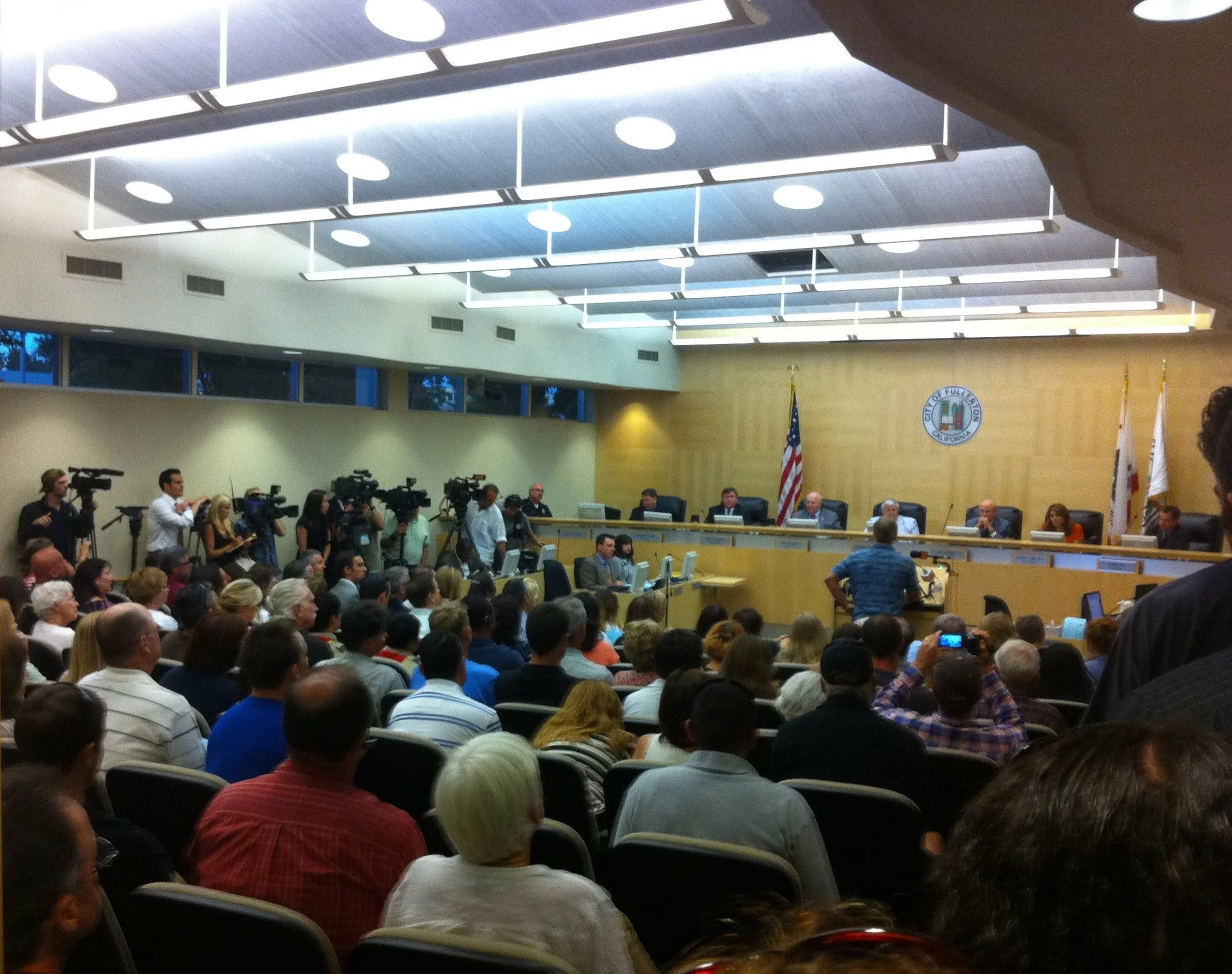
Read MoreNew research out of Boston University confirms that those who speak at local public hearings are not representative of the public as a whole. Elected officials seeking to understand constituents’ views should treat these hearings as only one source among many.
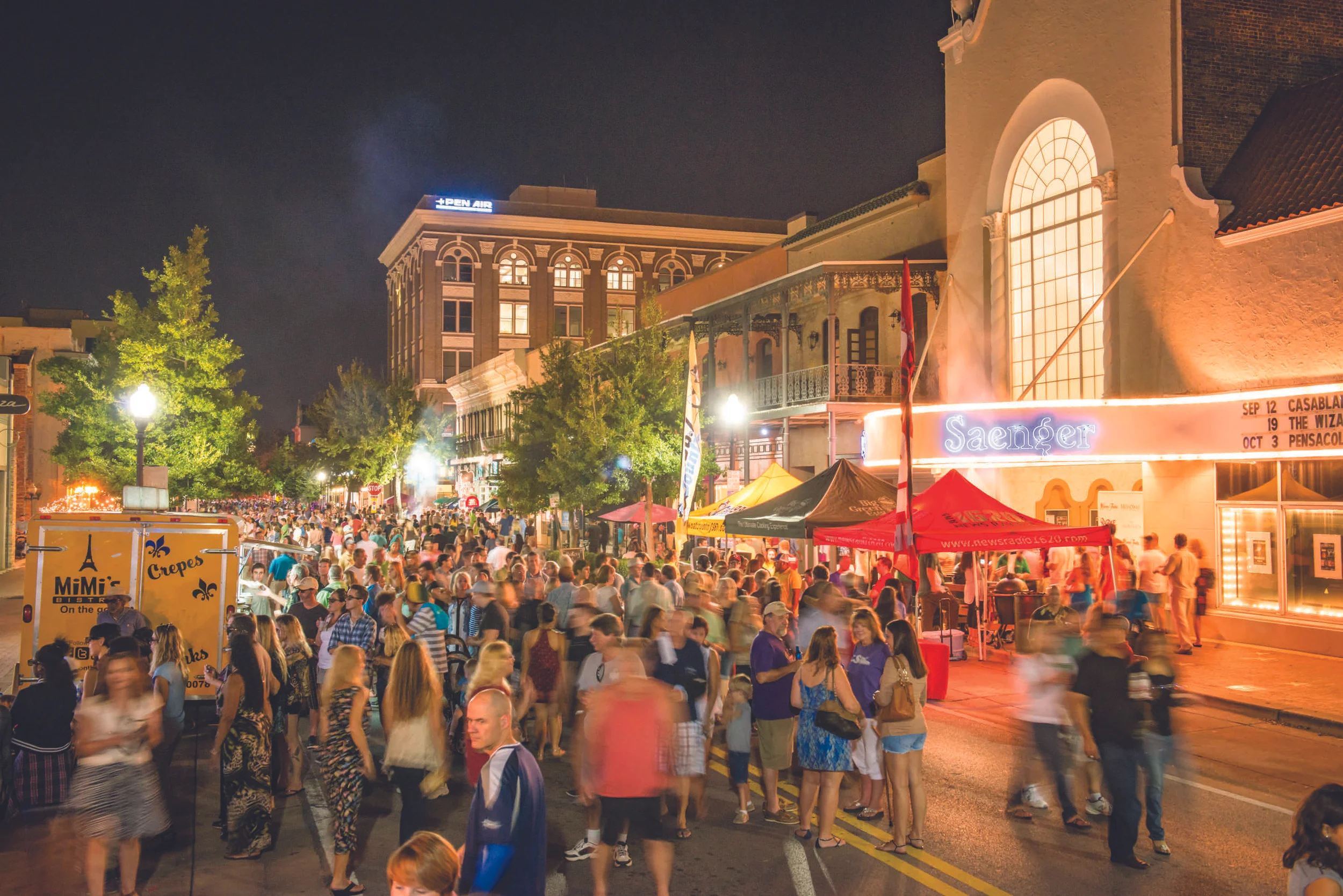
Read MoreWhat does it take to bring life back to a faded downtown? Contrary to conventional wisdom, big employers may underperform as revitalization engines, and small-bet approaches—improvisational, innovative, and low-risk—can deliver outsize rewards.
Read MoreThe belief that we’re going to radically transform our cities from the top down defies reality. Despite widespread anxiety about urban growth and change, the vast majority of places aren’t changing very much at all.
Read MoreTexas has a history of aggressively using tax incentives to lure big business: a misguided economic development approach that produces little if any public benefit. Dallas’s bid for Amazon’s second headquarters falls right in line with this unfortunate pattern.
Read MoreDesign that provides a little psychological nudge can be an inexpensive, easily-implemented way to address problems like pedestrian fatalities. But sometimes what we need is good, old-fashioned concrete.
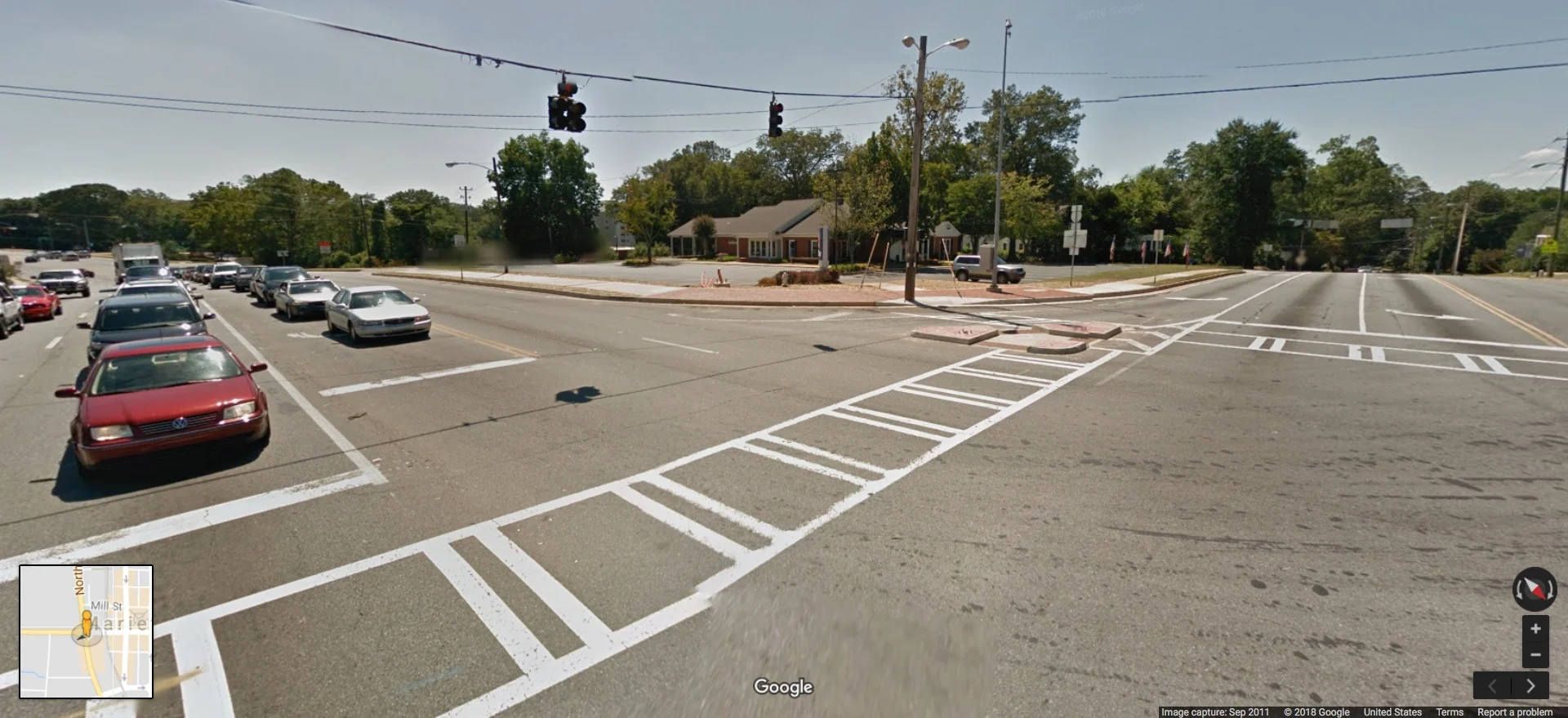
Read MoreA look at how regulations shape land use in Marietta, Georgia illustrates a vicious cycle: when your zoning code is premised on car-dependency, car-dependency becomes a self-fulfilling prophecy.
Read MoreIn this podcast episode, Chuck interviews four under-30 attendees of the Congress for the New Urbanism about their aspirations, goals, and the challenges of making a difference and being taken seriously as ambitious younger people in their respective fields.
Read MoreDevelopment impact fees are supposed to “make development pay its own way.” But if your development pattern is fundamentally unproductive, they don’t. They’re a one-time cash hit in exchange for taking on a permanent liability.
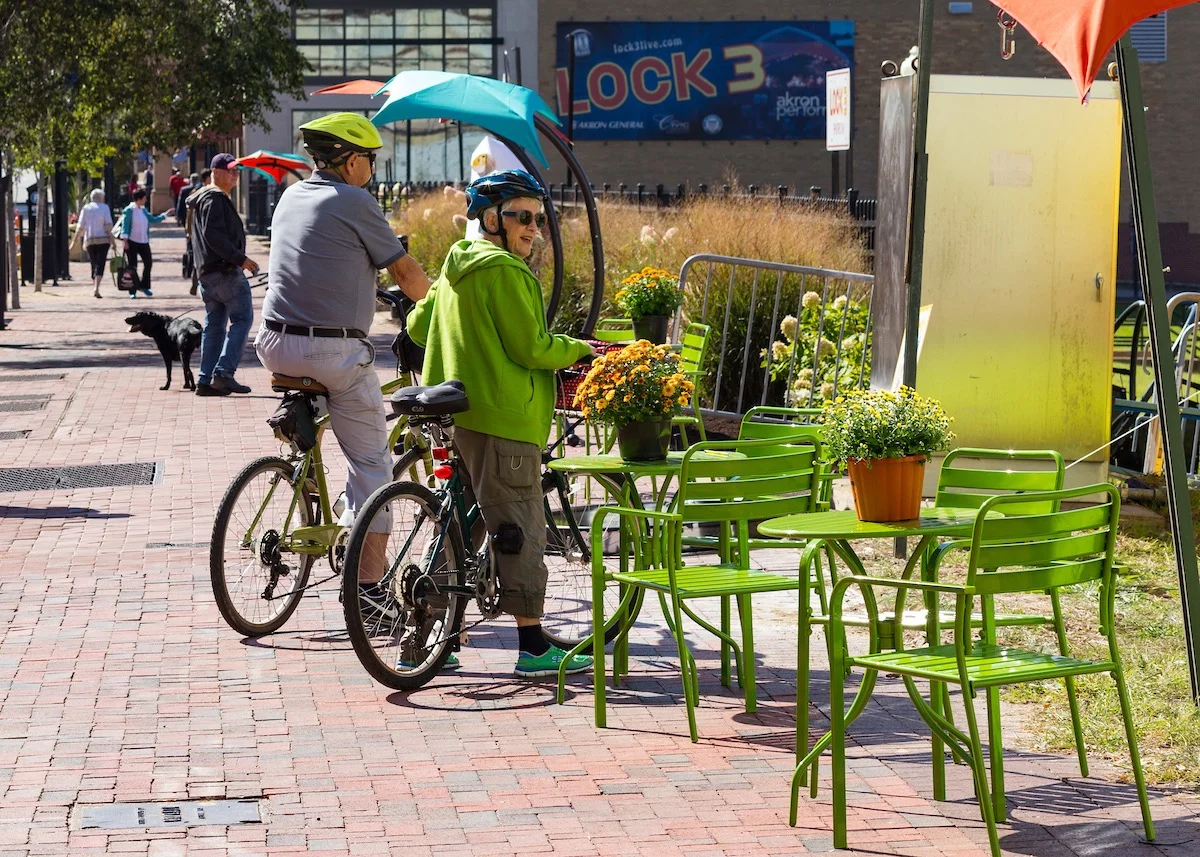
Read MoreAkron, Ohio’s Main Street Corridor project will produce a safer and more attractive street, with more space for people, activities and public art. But this dramatic, expensive overhaul is not an end in itself. If it’s going to deliver on its promises, it must be viewed as a beginning.
Read MoreLocal governments can’t take on more and more promises without generating enough wealth to meet those obligations—not without a reckoning. We need a radical revolution in how we plan, manage, and inhabit our cities, counties, and neighborhoods. We need a Strong Towns approach.
Read MoreStrong Towns is prominently featured in a new documentary about suburbanization and mass homeownership in America. Owned, directed by Giorgio Angelini, explores the human consequences of America's suburban experiment.
Read MoreThe less you look like everyone else and the more you look like yourself, the better off you’ll be. This truth should be driving your town’s development. In fact, creating a distinctive sense of place is your competitive advantage.
Read MoreAn assisted-living facility in Ohio offers a nostalgic, Norman Rockwell-esque setting modeled on traditional neighborhoods—the very sort of beloved, timeless places that we’ve all but stopped building in the real world.
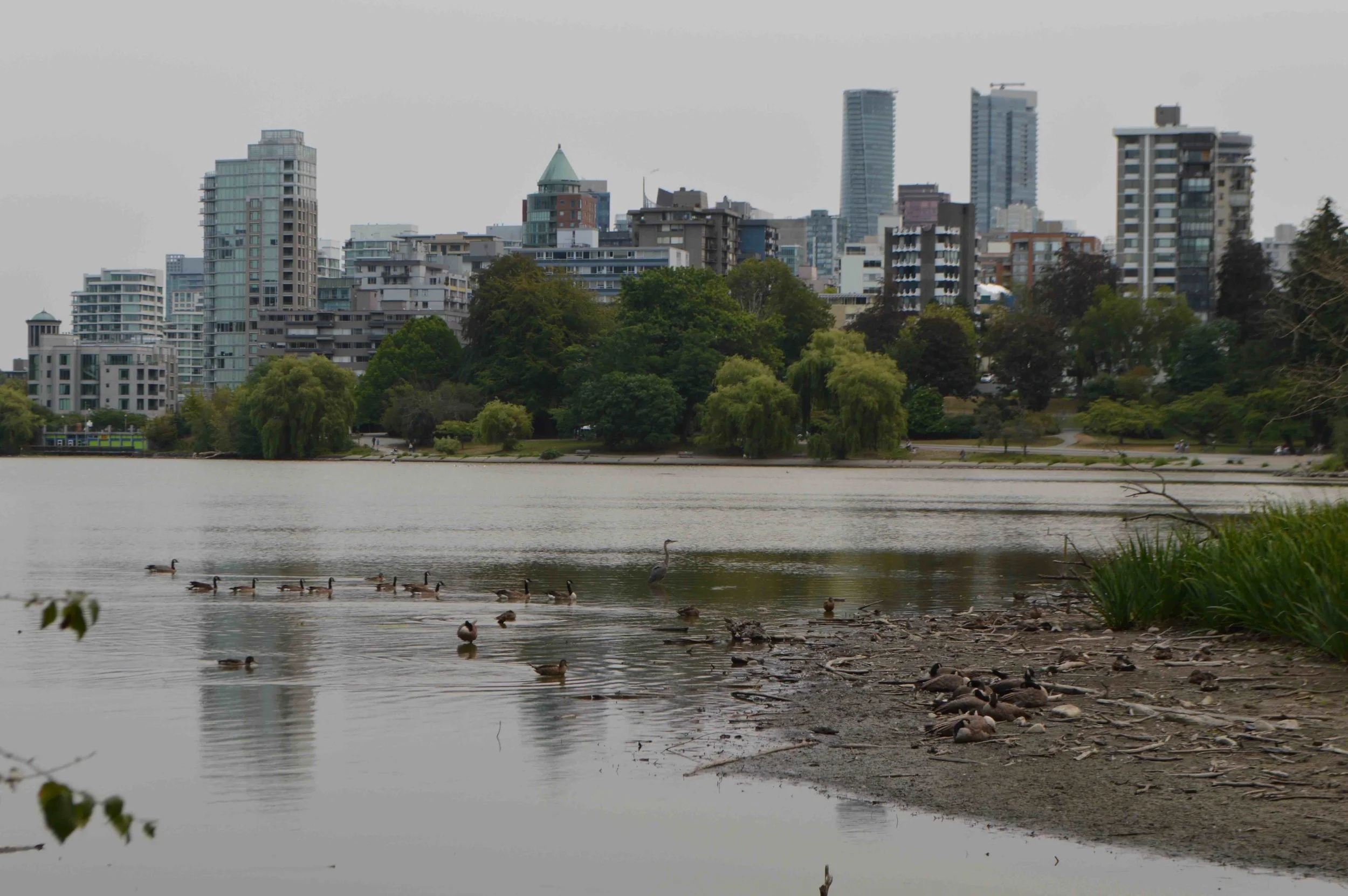
Read MoreThe West End neighborhood of Vancouver, BC challenges common assumptions about compatible development: its eclectic mix of high-rises and smaller buildings amid shady streets shouldn’t make for a cohesive, appealing place, and yet it does.
Read MorePortland, OR is leading the charge in parking reform by pricing its on-street parking at a variable rate that reflects shifting demand, instead of subsidizing it.
Read More