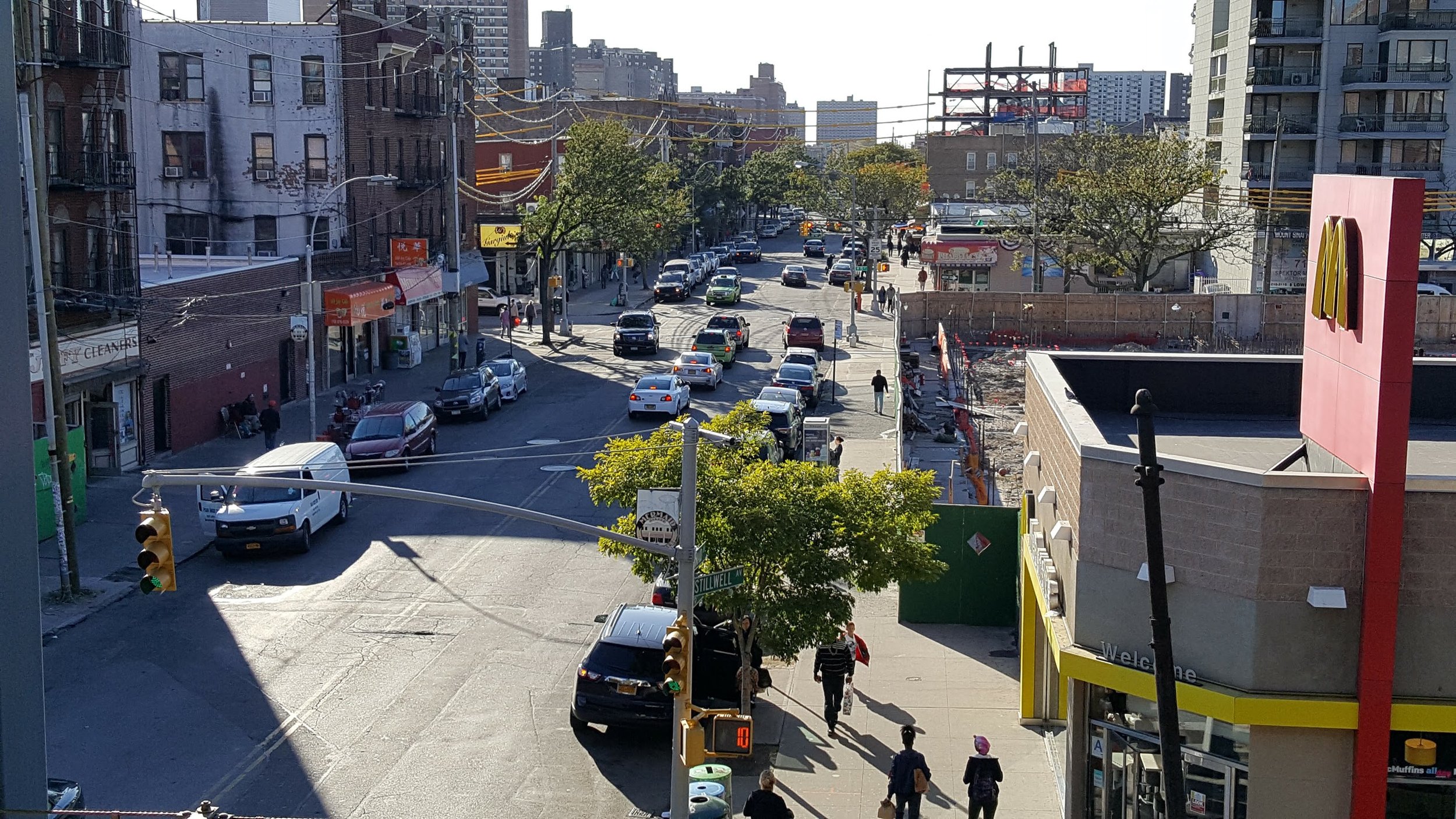
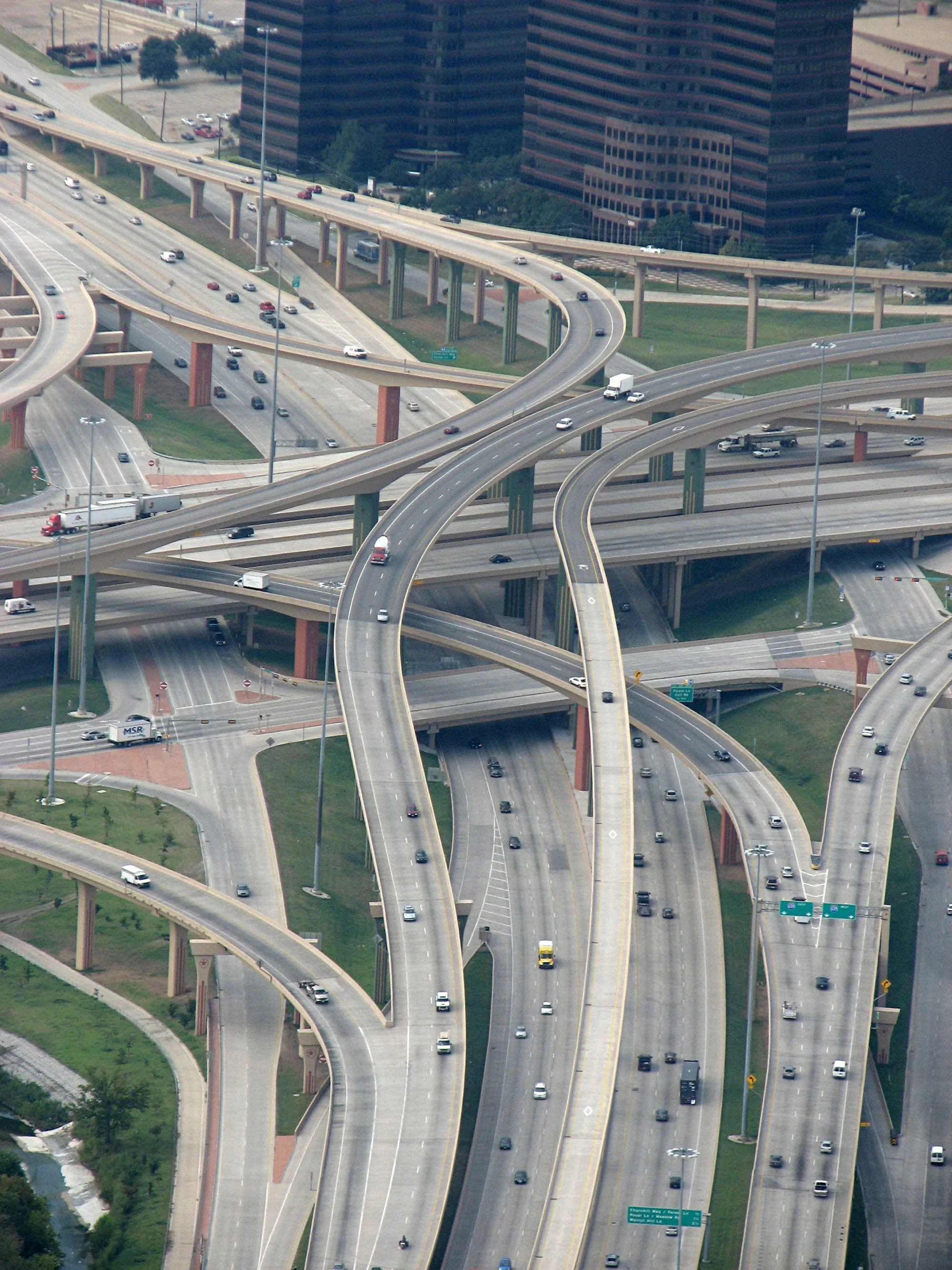
Wide, straight, monumental streets have always served the interests of those in power. They allow for the mobilization of military force, subordinate the unplanned chaos of the city to grandiose visions, and have been used to dispossess and displace small businesses, the poor, and racial and political minorities.
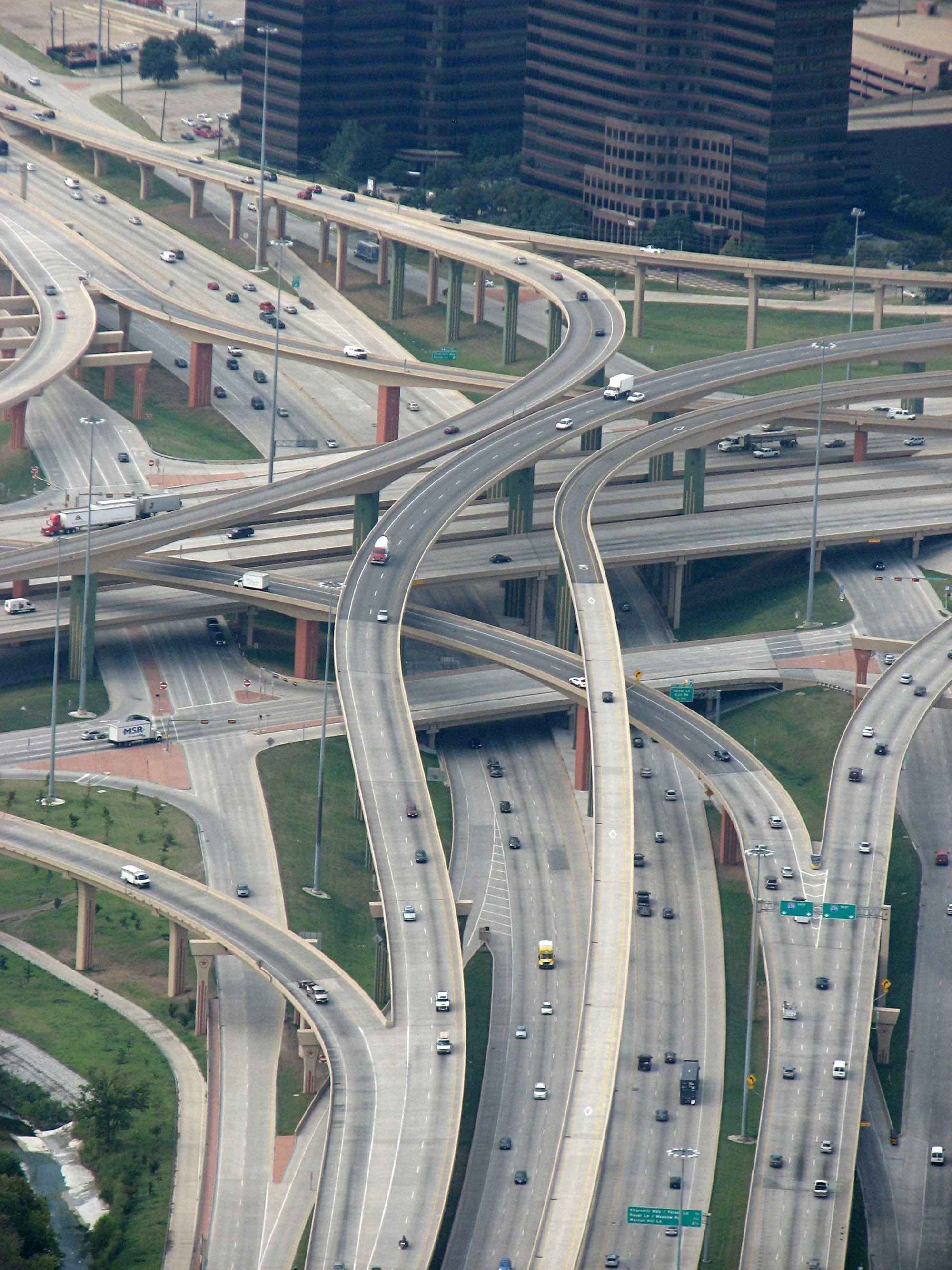
Read MoreDecades ago, we decided where roads will go. Whether it makes sense or not today, that is where they must go.
Read MoreWill this new development make traffic worse? The conventional wisdom about the relationship between development and traffic contains a number of important misconceptions.
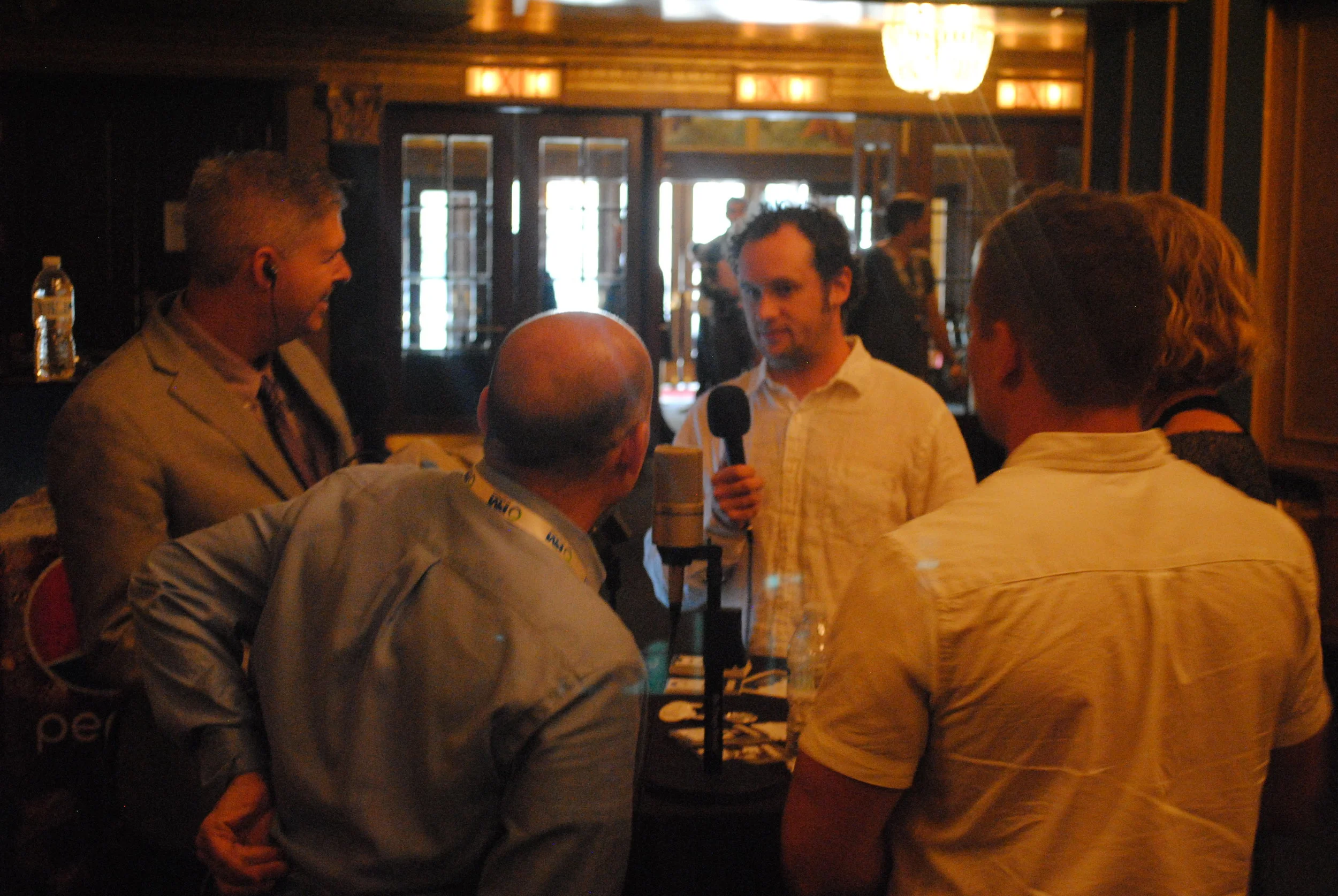
Read MoreIn this episode of our new podcast It’s the Little Things, Jacob Moses chats with Nick Kittle, author of the recently released book Sustainovation: Building Sustainable Innovation in Government, One Wildly Creative Idea at a Time. Nick argues that—even in government—innovation is an attainable workplace culture that, when embraced, can create meaningful change in our cities, towns, and neighborhoods.
Read MoreOn November 16th, you can ask us anything. And we mean anything.
Read MoreA pilot project in Denver aims to help low-income homeowners add accessory dwelling units to their property. If it succeeds, it will help people remain in their communities, build wealth, and deliver affordable homes to a new generation of neighbors.
Read MoreThe physical design of the modern public realm, with its emphasis on speedy efficiency, advances a dehumanizing tendency. It undermines the opportunity to be a neighbor.
Read MoreResearch from the University of Virginia powerfully illustrates one of the most important trends in American cities in the 21st century so far: the return of the wealthy and educated to traditional downtowns.
Read MoreThe more we invest in something, the harder it becomes to walk away. Yet, we need to walk away from a lot of what we’ve built.
Read MoreThis week, we explored out-of-control infrastructure costs in Texas, a “road diet” in Akron, workforce housing in Maine, and asked whether our local governments ought to be failing more often—and owning up to and learning from those mistakes.
Read MoreThe core neighborhoods of our big cities and our small towns have more in common than we might think.
Read MoreAre house flippers exactly what the Rust Belt needs to recover from decades of systemic disinvestment, or a dangerous speculative game that fragile places shouldn’t be playing? Check out the third episode of our new podcast Upzoned to hear Kea Wilson and Chuck Marohn hash out this topic.
Read MoreCollin County, Texas officials claim they need $12.6 billion for new roads in the next 30 years, and none of it for maintenance of what they’ve already built. That way lies madness.
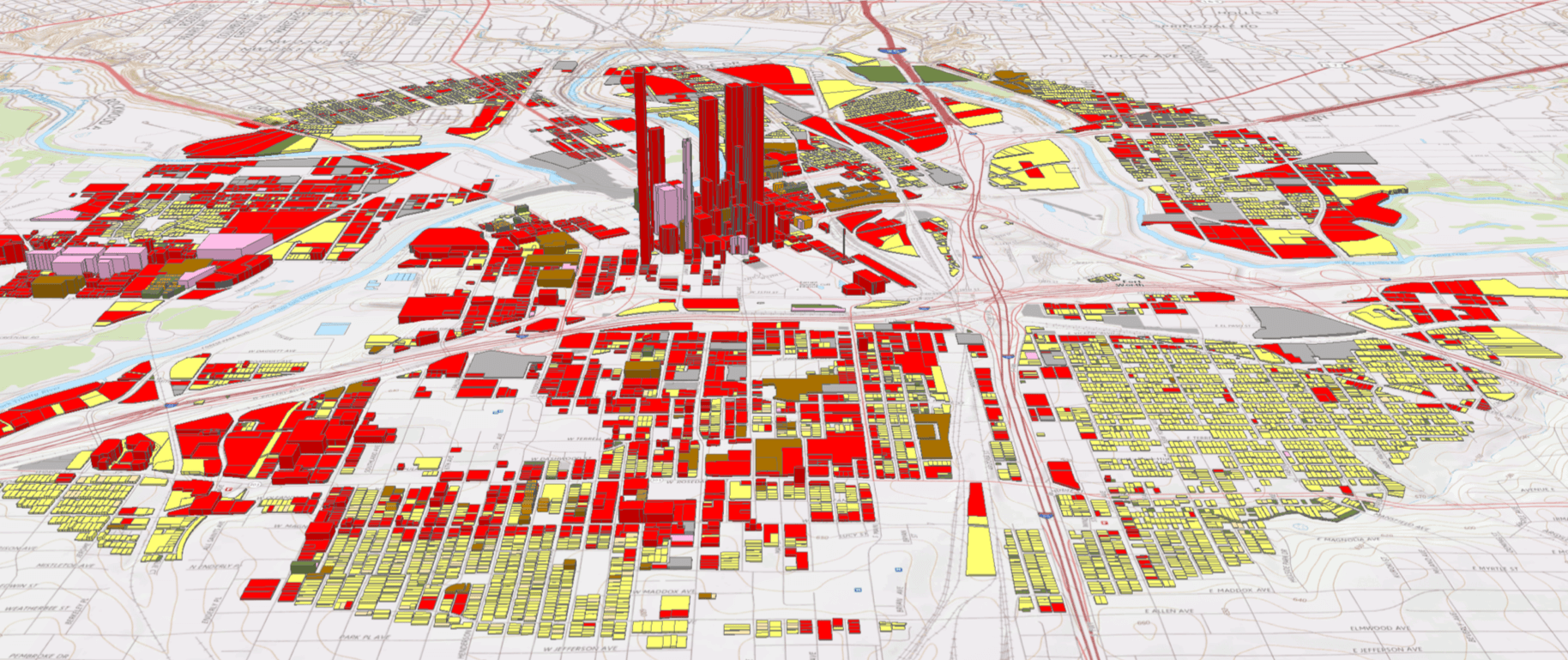
Read MoreJordan Clark and Felix Landry of Verdunity discuss the importance of understanding the fiscal consequences of our development patterns, as well as the ways that cities can use map-based fiscal analysis to make more holistic land use decisions.
Read MoreOur staff writer Aubrey Byron begins a new series: at least once a month, she will be exploring how Strong Towns concepts apply to rural locations. Whether it’s transit, the value of sewers versus septics in small towns, or the walkability of small towns, check out our new coverage of the #smallstrongtown.
Read MoreWant to better your community but don’t know where to start? Enter It’s the Little Things: a Strong Towns podcast that gives you the wisdom and encouragement you need to take the small yet powerful actions that can make your city or town stronger.
Read MoreCan a master-planned community be consistent with Strong Towns principles of iterative, bottom-up placemaking? We take a tour of Serenbe, Georgia, an experiment in New Urbanism and eco-conscious living on the far outskirts of Atlanta.
Read MoreA recent D Magazine story nailed the problem with Dallas’s development pattern: the city has way more infrastructure than it can afford to maintain. But its solution—assessing local taxes differently—didn’t go far enough.
Read MoreJohn Simmerman and his organization Active Towns want to see a massive increase in the number of places with a culture of physical activity. Come see John speak at the Strong Towns Regional Gathering in Plano, Texas, and learn what he’s doing to help create that change.
Read More