Texas has a history of aggressively using tax incentives to lure big business: a misguided economic development approach that produces little if any public benefit. Dallas’s bid for Amazon’s second headquarters falls right in line with this unfortunate pattern.
Read MoreDesign that provides a little psychological nudge can be an inexpensive, easily-implemented way to address problems like pedestrian fatalities. But sometimes what we need is good, old-fashioned concrete.
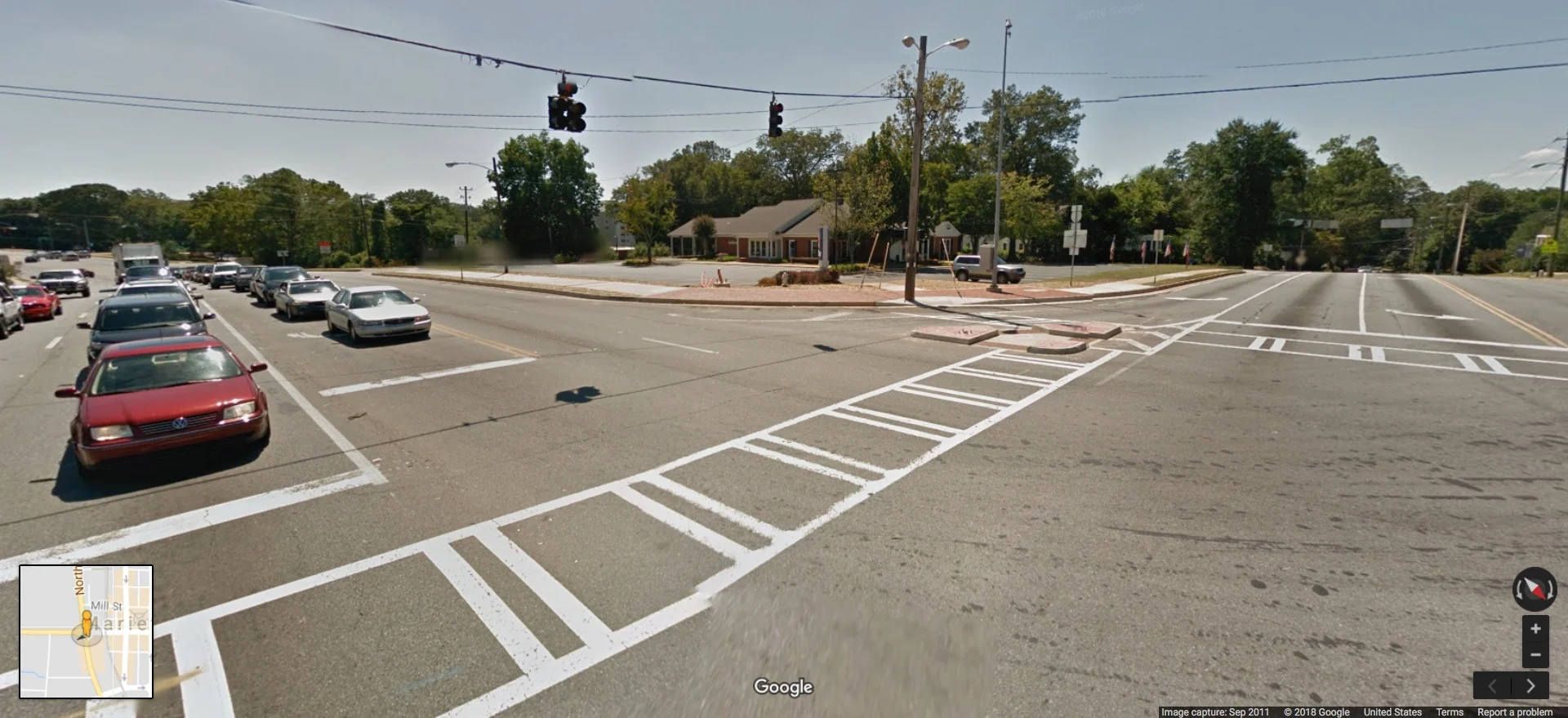
Read MoreA look at how regulations shape land use in Marietta, Georgia illustrates a vicious cycle: when your zoning code is premised on car-dependency, car-dependency becomes a self-fulfilling prophecy.
Read MoreIn this podcast episode, Chuck interviews four under-30 attendees of the Congress for the New Urbanism about their aspirations, goals, and the challenges of making a difference and being taken seriously as ambitious younger people in their respective fields.
Read MoreDevelopment impact fees are supposed to “make development pay its own way.” But if your development pattern is fundamentally unproductive, they don’t. They’re a one-time cash hit in exchange for taking on a permanent liability.
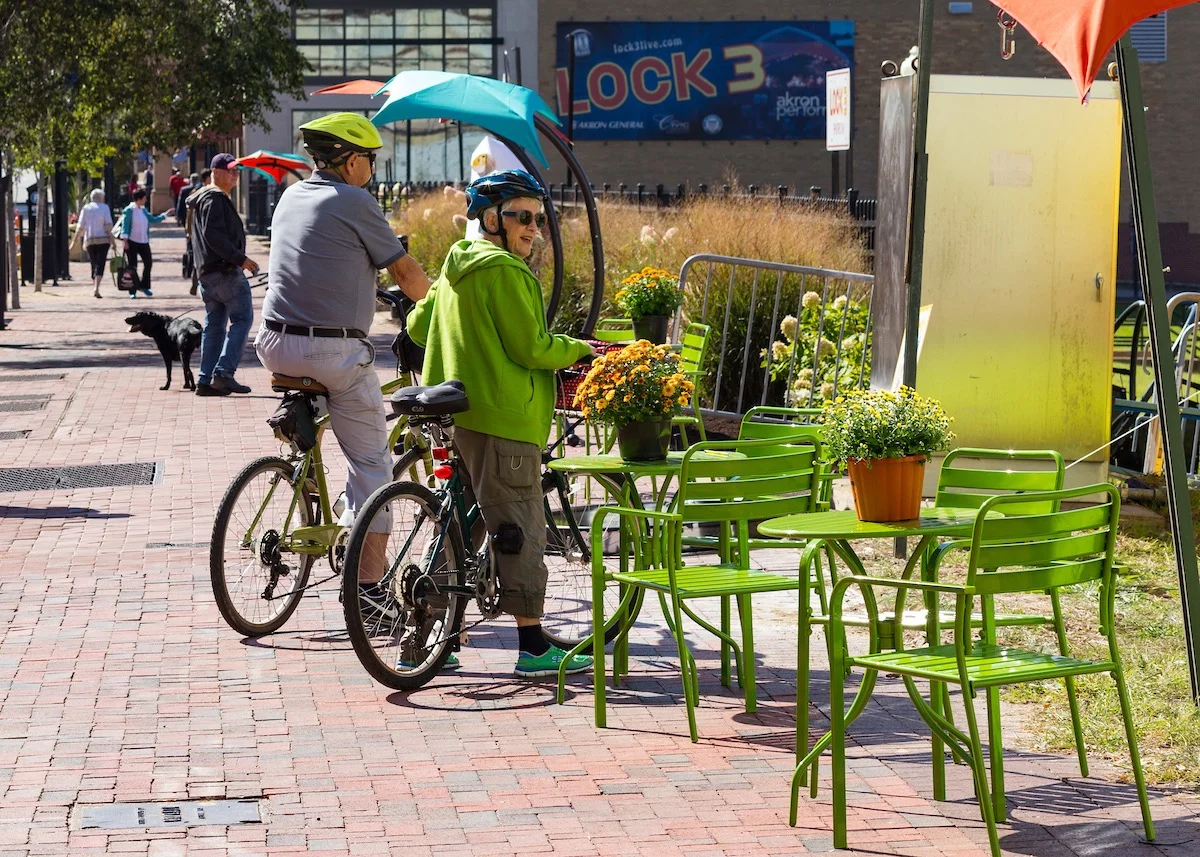
Read MoreAkron, Ohio’s Main Street Corridor project will produce a safer and more attractive street, with more space for people, activities and public art. But this dramatic, expensive overhaul is not an end in itself. If it’s going to deliver on its promises, it must be viewed as a beginning.
Read MoreLocal governments can’t take on more and more promises without generating enough wealth to meet those obligations—not without a reckoning. We need a radical revolution in how we plan, manage, and inhabit our cities, counties, and neighborhoods. We need a Strong Towns approach.
Read MoreStrong Towns is prominently featured in a new documentary about suburbanization and mass homeownership in America. Owned, directed by Giorgio Angelini, explores the human consequences of America's suburban experiment.
Read MoreThe less you look like everyone else and the more you look like yourself, the better off you’ll be. This truth should be driving your town’s development. In fact, creating a distinctive sense of place is your competitive advantage.
Read MoreAn assisted-living facility in Ohio offers a nostalgic, Norman Rockwell-esque setting modeled on traditional neighborhoods—the very sort of beloved, timeless places that we’ve all but stopped building in the real world.
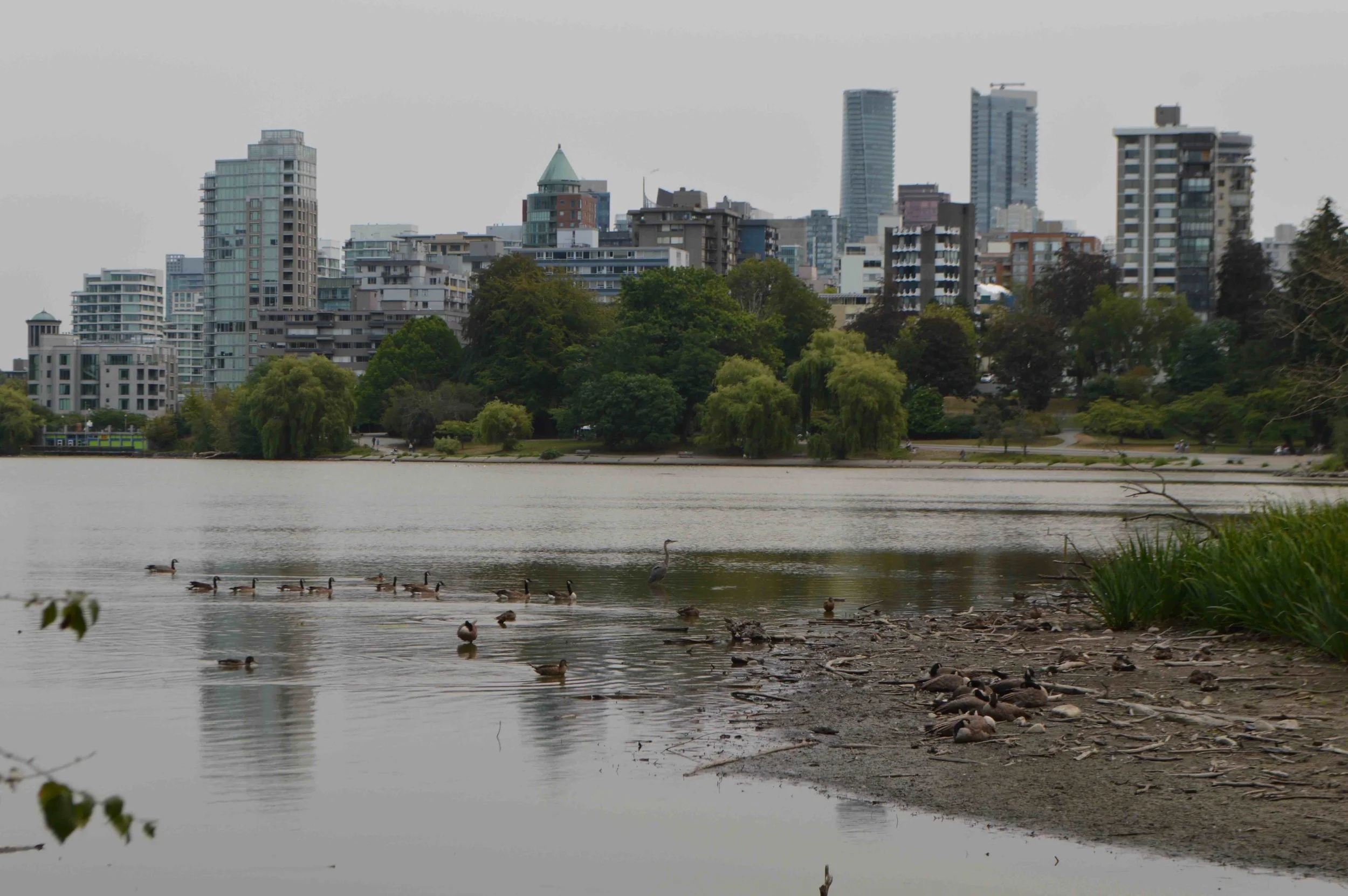
Read MoreThe West End neighborhood of Vancouver, BC challenges common assumptions about compatible development: its eclectic mix of high-rises and smaller buildings amid shady streets shouldn’t make for a cohesive, appealing place, and yet it does.
Read MorePortland, OR is leading the charge in parking reform by pricing its on-street parking at a variable rate that reflects shifting demand, instead of subsidizing it.
Read MoreThe most important thing for a local government is to avoid ruin.
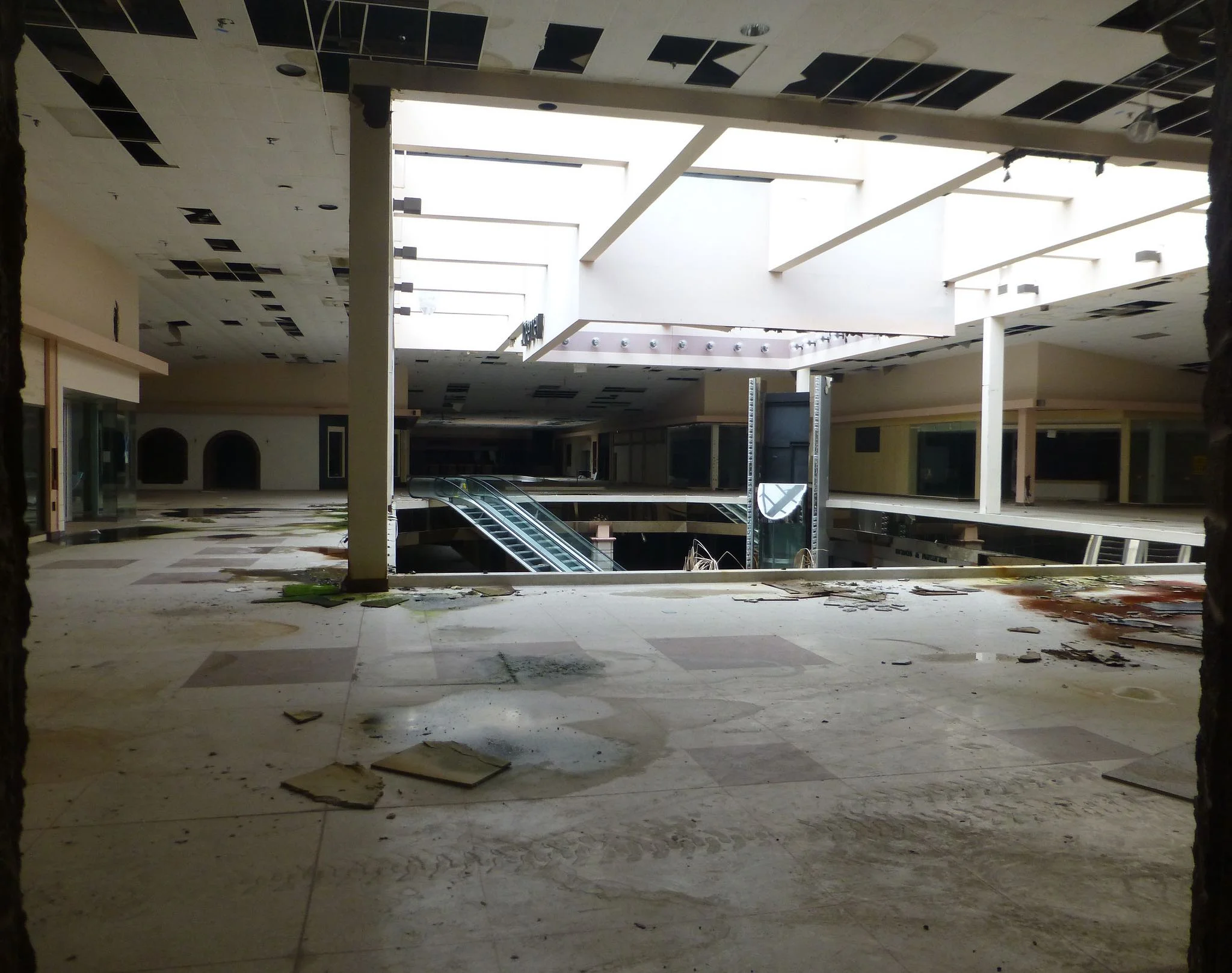
Read MoreThis week, we took Akron, Ohio to task for subsidizing redevelopment of a failed mall, explored why it’s hard to jump-start walkability in places built around the car, made the case for bike lanes from an unusual perspective, illustrated why it’s harmful to measure road performance by motorist convenience, and more.
Read MoreOur writers are a well-traveled bunch, and over the past few years, they’ve brought back perspectives from abroad that Strong Towns advocates in North America can learn from. Here are three lessons the rest of the world has to offer.
Read MoreTwo large development projects currently working their way through the public engagement and approvals process illustrate why suburban retrofit is a really tough proposition to stake our future on.
Read MoreA Strong Towns member shared with us a success story from the city of College Station, Texas, which recently revised its zoning code to make it easier to do incremental development by rehabilitating or expanding older structures.
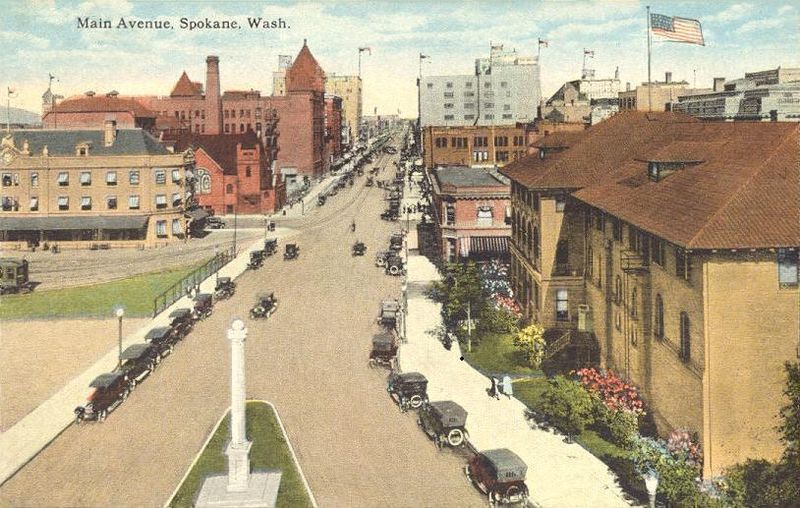
Read MoreThe history of Spokane, Washington is a microcosm of what American cities as a whole have experienced. Spokane has lessons to teach us, including the power of incremental (but rapid) growth.
Read MoreWe’re constantly told that the world has become a flaming dumpster fire, and that only large-scale actions are adequate to address today’s urgent problems. But is that true? Chuck and three panelists explore this question in a podcast episode recorded at CNU in May.
Read MoreThe idea of a community garden isn’t a new one. Now, when modern life seems to be more stressful and uncertain than ever, community gardens could prove to be the salve that heals our hurting communities.
Read More