It’s 2019 and we’re back in action! This week we looked at how a big snowfall can illuminate your town’s resilience (or lack thereof); the excuses transportation officials use to justify inaction on deadly street design; why a Strong Town should resemble not a through street, but a destination; and more.
Read MoreThe dollar store might seem like a smaller, friendlier alternative to the big box. But its proliferation tells us something powerful about the way we build our towns.
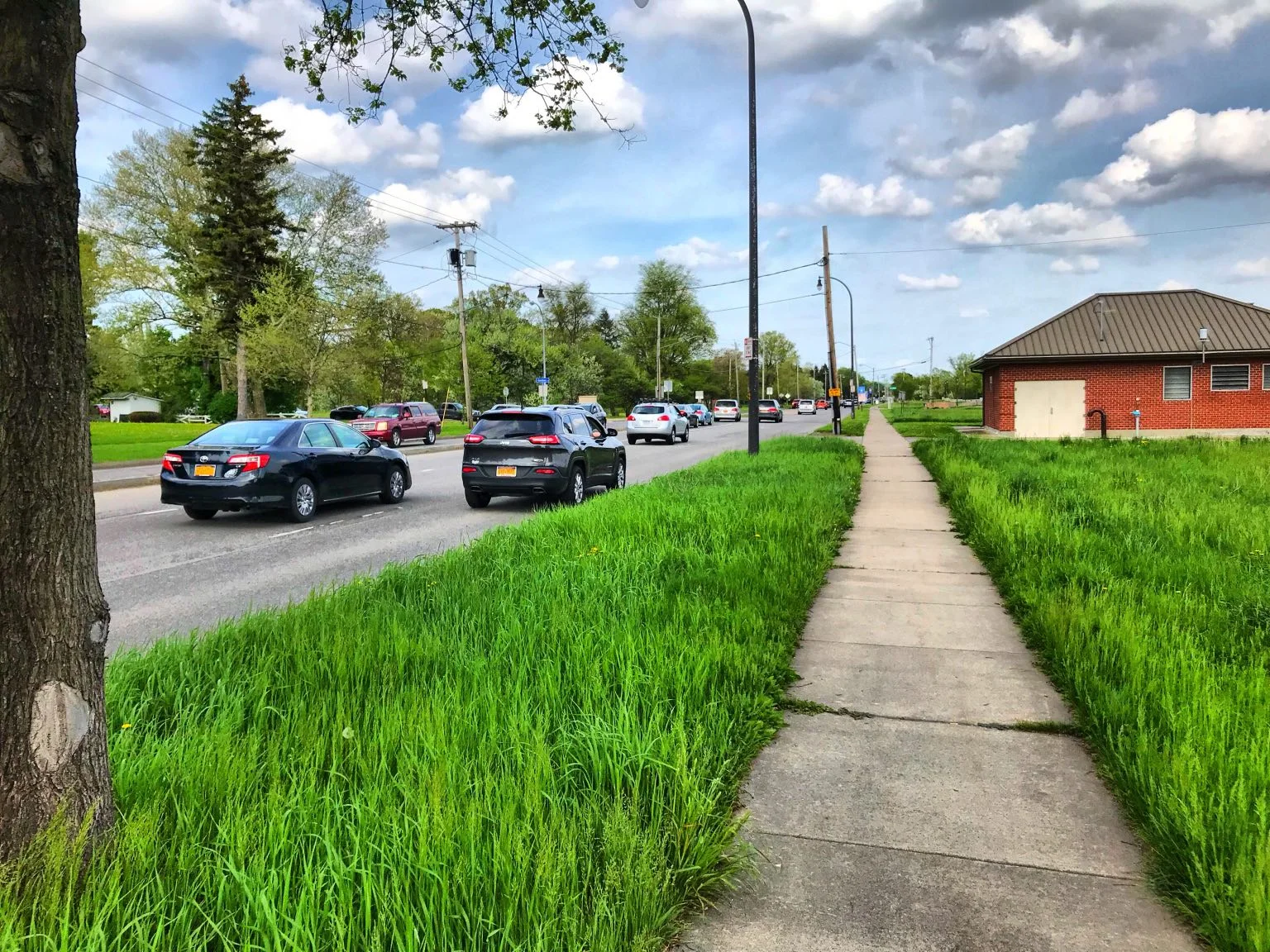
Read MoreWide, fast avenues through residential areas act as moats. They divide residents from jobs, resources, and each other, and harm cities’ prosperity and quality of life. Here’s one example of such a “moat.”
Read MoreNature is the original chaotic but smart designer. By landscaping our urban spaces with native plants, we can realize cost savings, improve quality of life, and achieve ecological benefits.
Read MoreOur collective willingness to maintain infrastructure that has outlived its economic rationale will evaporate in due course. Only the truly productive bits will survive the fullness of time.
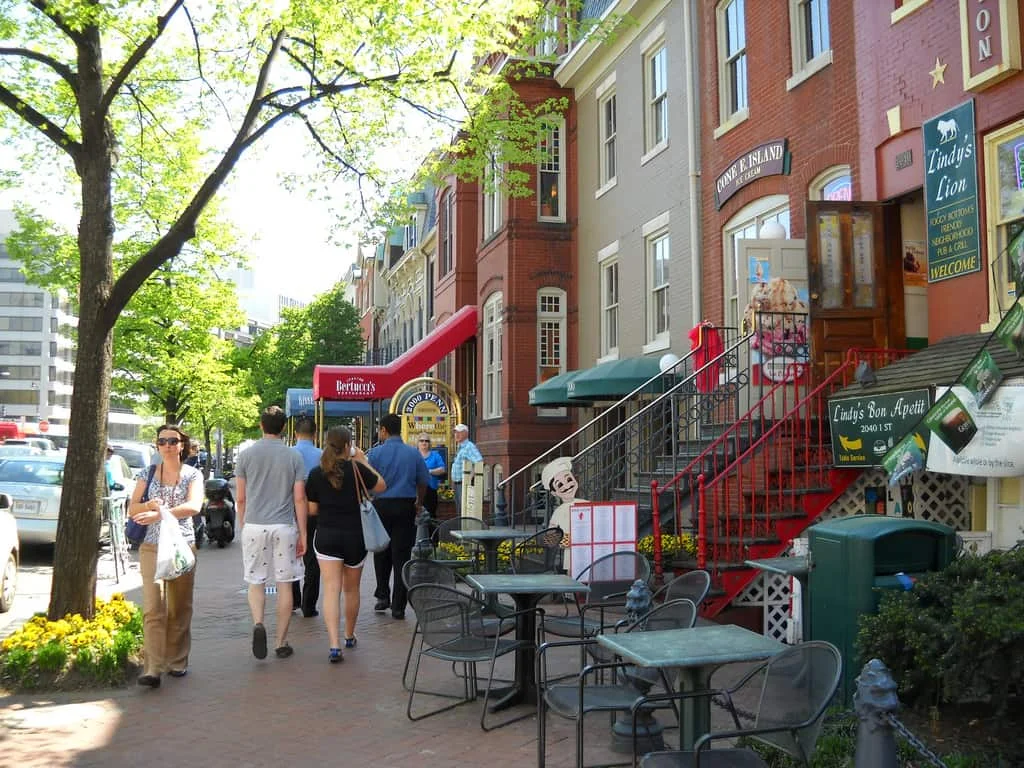
Read MoreHow one city made a grave mistake when it let itself be defined as a place people pass through, or one they leave every morning to go somewhere else. And how it could start to undo that mistake.
Read MoreIn this episode of our podcast It’s the Little Things, Jacob chats with Jordan Deffenbaugh—primary organizer of the Local Conversation Strong Towns Sioux Falls—about how you can spread the Strong Towns message locally, including how to spread the vision among your neighbors, how to give your neighbors a sense of ownership in the process, and, most important, how to get into the nitty-gritty of making your city or town stronger.
Read MoreLearn to dispel the common myths you hear from transportation agencies with regard to safe streets. The guidance isn’t as sacred as they want you to believe.
Read MoreWhen building our cities, we have come to value efficiency over redundancy. Want to see this become a problem? Just wait until it snows.
Read MoreWe’re signing off for 2018. Thank you for the amazing year.
Read MoreIn our final week of new content in 2018, we looked back on some of the best articles of the year, and published new stories about how Strong Towns principles show us better ways to address deadly roads, broken planning processes, affordable housing shortages, and more.
Read MoreTulsa, OK is the latest city to offer remote workers some tempting incentives if they’ll move there for only a year. Is this a smarter approach to economic development, or do our cities need to #dothemath?
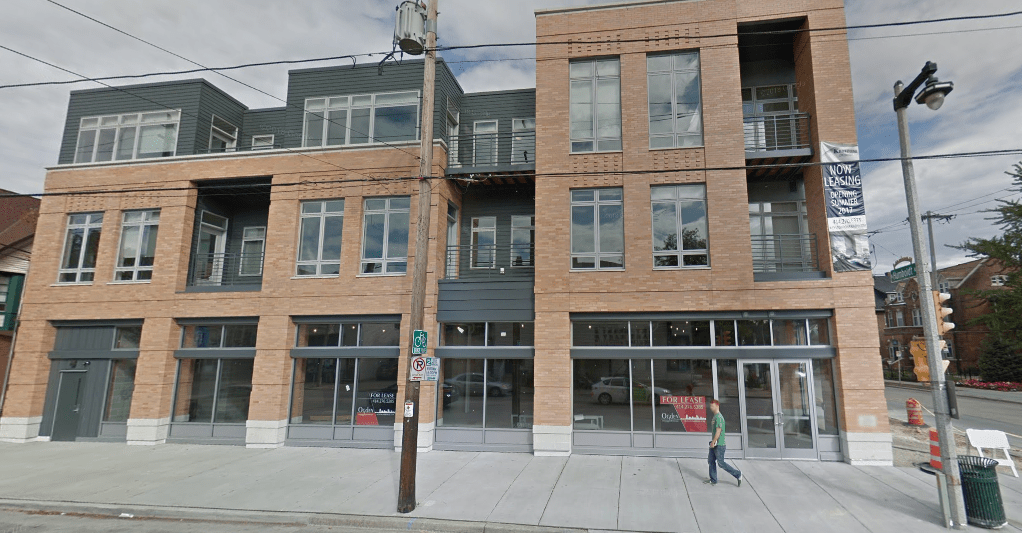
Read MoreWhy all these new storefronts are sitting vacant.
Read MoreLocal governments can’t take on more and more promises without generating enough wealth to meet those obligations—not without a reckoning. We need a radical revolution in how we plan, manage, and inhabit our cities, counties, and neighborhoods. We need a Strong Towns approach.
Read MoreFor a struggling city, negative perceptions from with the community can send it into a spiral of decline. It takes a major shift in perspective to get the city back on track.
Read MoreHere’s Chuck Marohn’s annual list of his favorite books he read in 2018.
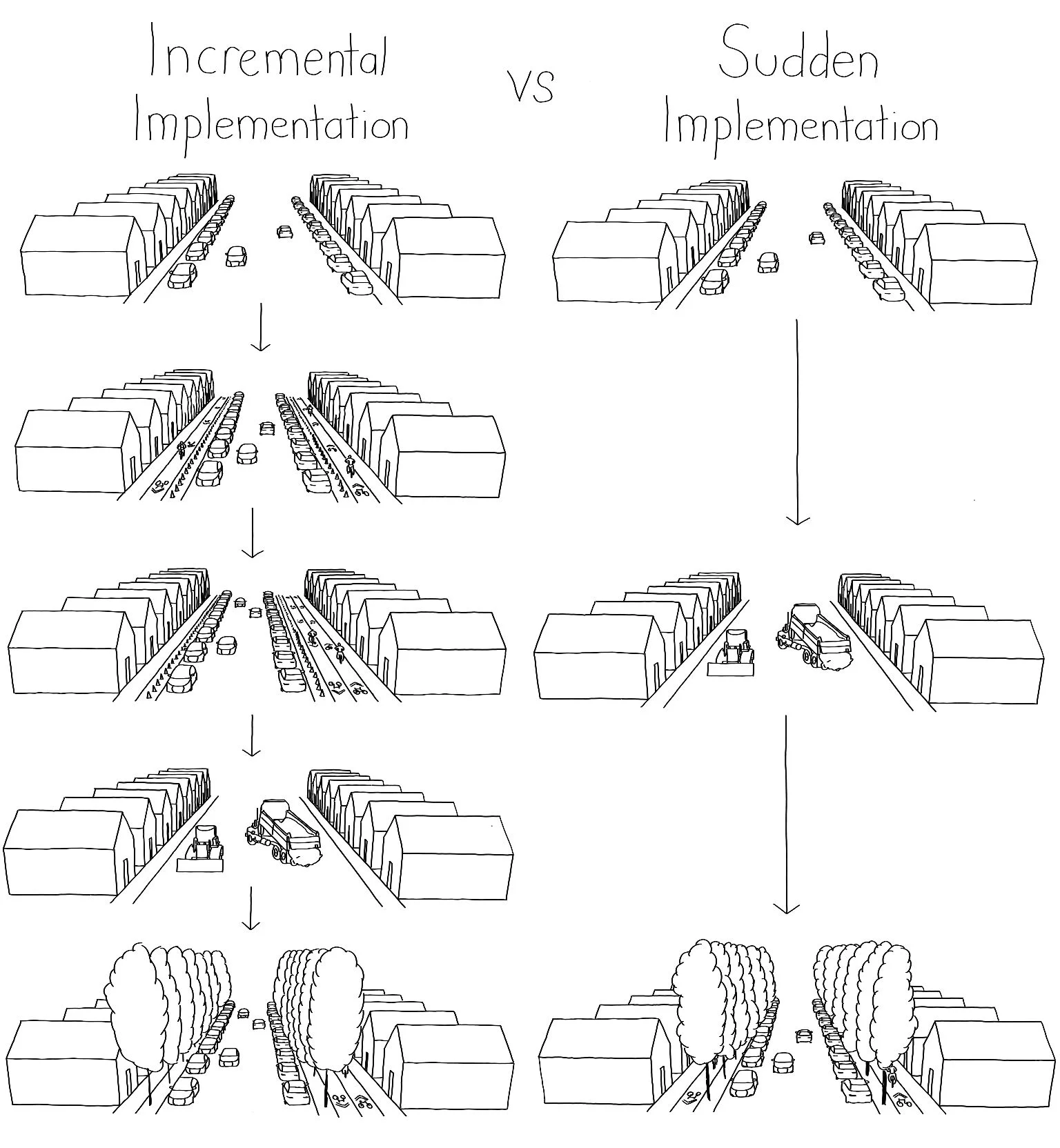
Read MoreIncremental approaches are often cheaper, faster, or have less risk than sudden approaches. Let’s explore different types of incrementalism.
Read MoreThe closing of the mall’s anchor store exposes how fragile the community’s business model is, providing an opening to shift approach.
Read MoreMinneapolis just became the first major U.S. city to embrace a key Strong Towns principle: every neighborhood should be allowed to evolve to the next increment of development.
Read MoreWhat does it take to be a small-scale developer in a struggling part of town? To put your money where your mouth is and participate in incremental neighborhood revitalization? One of our staffers knows firsthand.
Read More