Applications are now open for #StrongestTown 2019.
Read More
Applications are now open for #StrongestTown 2019.
Read MoreModern Monetary Theory is the financial foundation of the Green New Deal. It’s an experiment our cities don’t want to undertake.
Read MoreThis week we talked about Atlanta’s backwards approach to transit; why suburban infrastructure used to be more frugal than it is now; and the surprising financial and social wealth of poor neighborhoods. And the podcasts on the list have something for you whether you’re an entrepreneur, citizen advocate, or hardcore policy wonk.
Read MoreBuilding an accessory apartment is one of the gentlest ways you can increase the housing stock in your town. But does that mean that states should be the ones making the rules about how you can do it—even if those rules are permissive?
Read MoreEvery Friday, we spotlight an answer to one of your questions from the Strong Towns Knowledge Base.
Read MoreThe proposed Green New Deal is ambitious and urgent—but completely omits any mention of local land use. Can sweeping federal policy mix with the kind of decentralized, bottom-up change we need?
Read MoreAn interview with Dr. Adonia Lugo, author of Bicycle / Race: Transportation, Culture & Resistance, about broadening bike advocacy to look beyond physical infrastructure to the “human infrastructure” of the communities we build around bicycling.
Read MoreIn this episode of our podcast It’s the Little Things, Jacob chats with Jordan Katcher—Community Development Specialist for the State of Utah, focusing on rural communities—about how government employees can break down silos in rural communities, including how to choose who to get involved in the process, how to understand the needs of rural communities, and most important, how breaking down silos can make rural communities stronger.
All over North America, poor neighborhoods often punch above their weight when it comes to contributing real value and resilience to their cities—in both financial productivity and other, less quantifiable strengths.
Read MoreBeing a small business owner, especially in a smaller town, can give you an up front look at how local government works… and at what’s not working as well as it should. Here’s an interview with one strong citizen who’s hoping to take what he’s learned to City Hall.
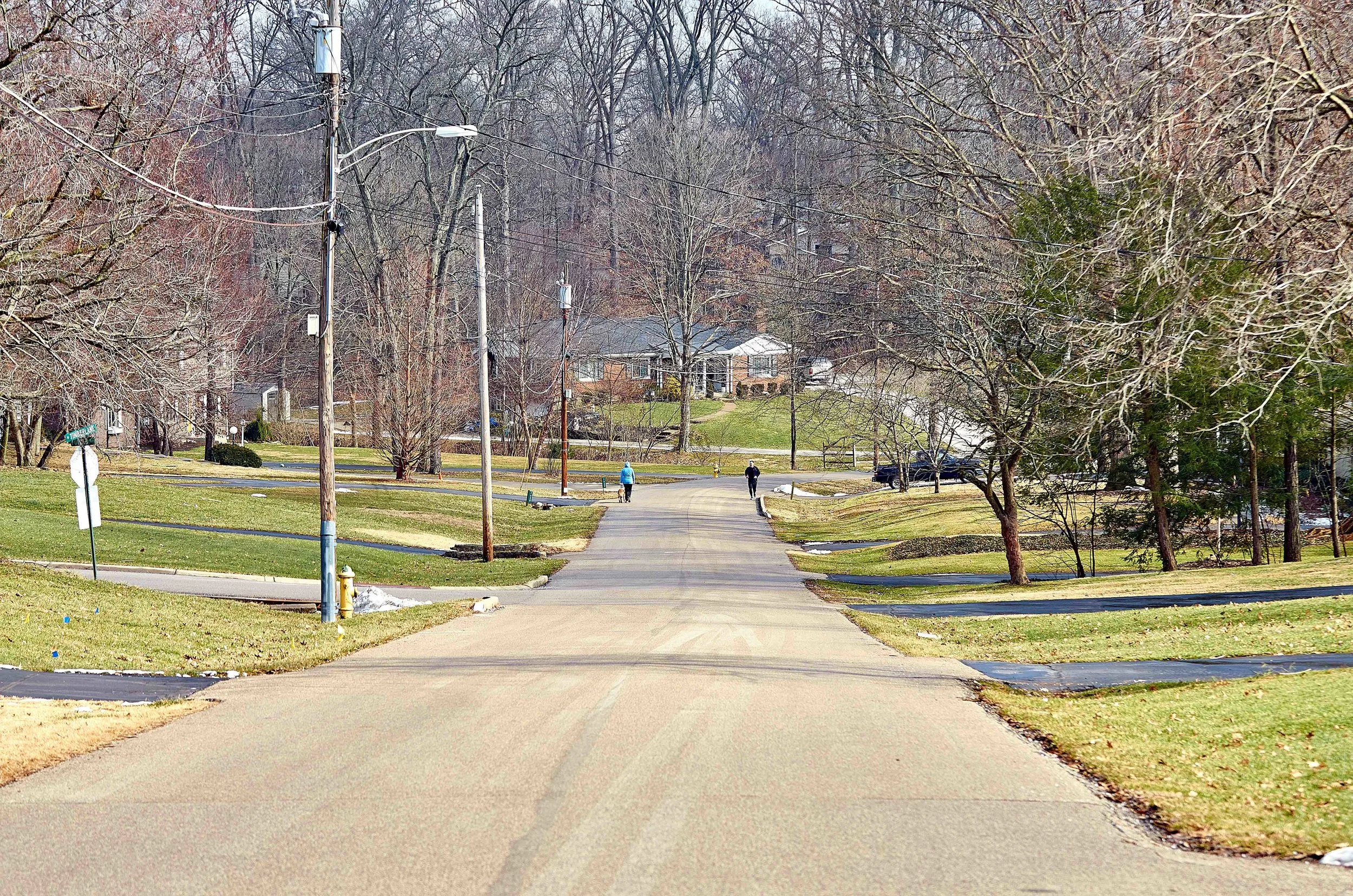
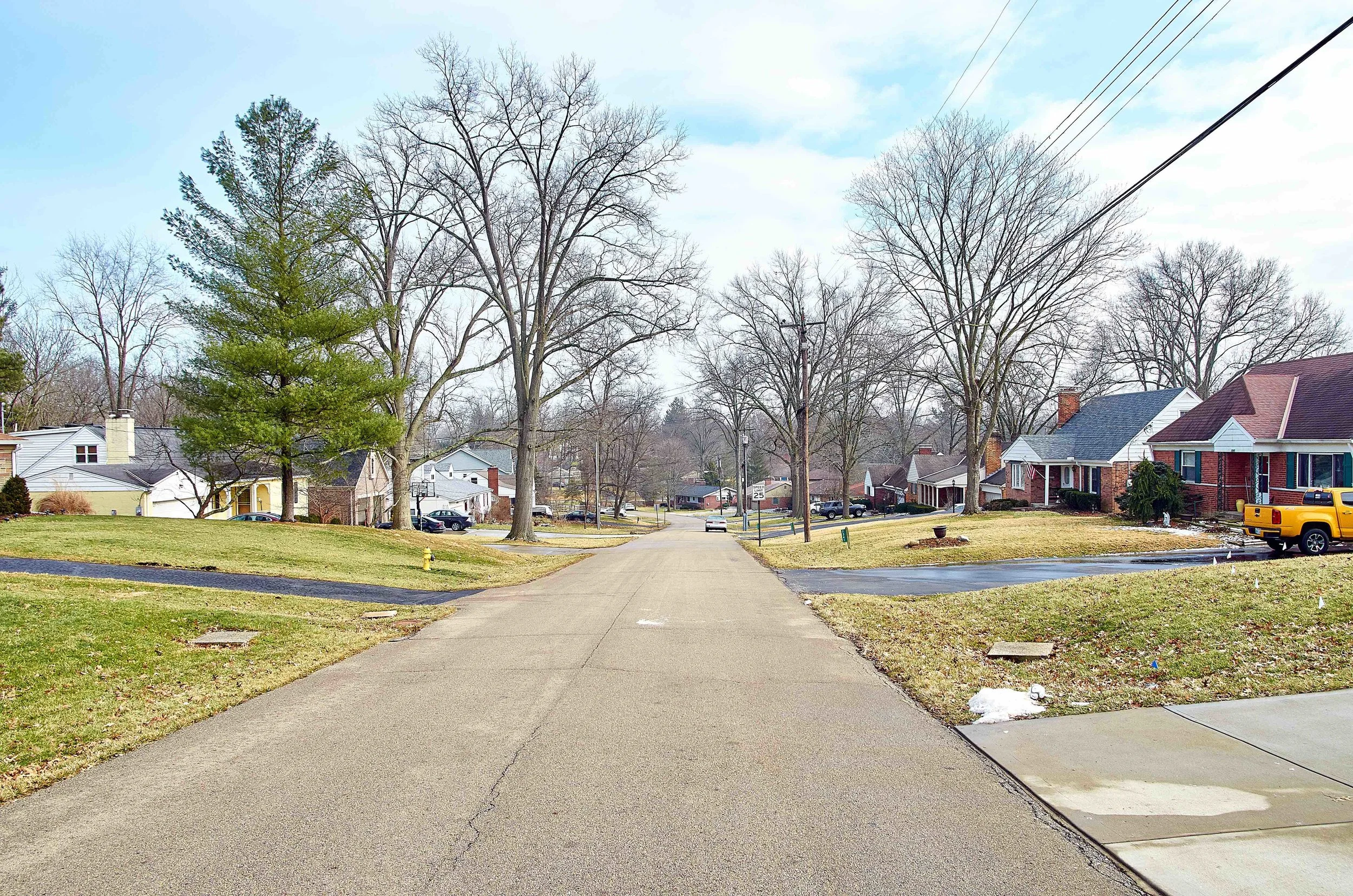
Read MoreThe suburban development pattern is not inherently too costly to maintain: early suburbs sat much lighter on the land, with narrower streets and less public maintenance obligation. Let’s take a look at how the American suburb has evolved over time.
Read MoreCities need to be exposed to low levels of stress and disorder in order to become more antifragile over time. Technocratic planning which seeks to make our world too predictable merely sets the stage for future crises.
Read MoreWe’re sharing the video and audio from our January 2019 live webcast Q&A with mega-retail expert Stacy Mitchell.
Read MoreWhy build a downtown transit system if you’re just going to close it at peak demand?
Read MoreThis week we examined what can happen when a small town does away with parking minimums (hint: a lot of good things). We also looked at the ups and downs of tax-increment financing, how much is too much traffic on a neighborhood street, double standards for cars and other forms of urban transportation, and more.
Read MoreIf your city is struggling to pay the bills, could joining forces with the rich county next door be the answer?
Read MoreHow do I pitch the idea of rezoning residential neighborhoods to allow limited commerce to my city council?
Read MoreWhy are we still surprised when a highway closes and fears of traffic pandemonium don’t come to pass?
Read MoreSandpoint, Idaho eliminated its downtown parking minimums 10 years ago. Since then, at least four projects that could not otherwise have happened have brought new vibrancy and economic productivity to downtown.
Read MoreIn this episode of our podcast It’s the Little Things, Jacob chats with three local leaders in open data—Kyle Taylor, Jesse Hamner, and Habib—share how open data works, including how you can use open data to act on your ideas, how you can encourage your elected officials to adopt open data policies, and how open data can make your city or town stronger.