Early in my career, I helped plan a highway bypass for a small town that I was sure would generate a positive return on investment in the form of economic growth. The only problem? The actual numbers we calculated told a different story.
Read More
Early in my career, I helped plan a highway bypass for a small town that I was sure would generate a positive return on investment in the form of economic growth. The only problem? The actual numbers we calculated told a different story.
Read MoreWhen we do the math, we find that preserving historic buildings and districts is the best thing we can do for our cities’ economic futures. Utica, New York should consider this when choosing where to locate a new hospital campus.
Read MoreThere are huge swaths of 1950s and 1960s suburbia that need a bit of TLC—and expensive, top-down “sprawl repair” isn’t going to be up to the task. What’s required is a more patient, grassroots approach. Urban planner John Yung has some ideas.
Read MoreGot potholes? Can’t get federal funding for routine street maintenance? That’s what you think! As it turns out, there are all sorts of ways that cities game that system.
Read MoreI’ve had to reconcile my foundational belief in markets with my experiences working with cities. This has been a painful process.
Read MoreWe’re thrilled to see ideas that have been important to Strong Towns for years reflected in the national conversation, from ending exclusive single-family zoning to the high returns on building walkable neighborhoods. Check out these stories and more, in our top 5 posts of the week.
Read MoreYou might think you want your government to be as streamlined as efficient as possible—until a hacker takes down your whole data network in one fell swoop.
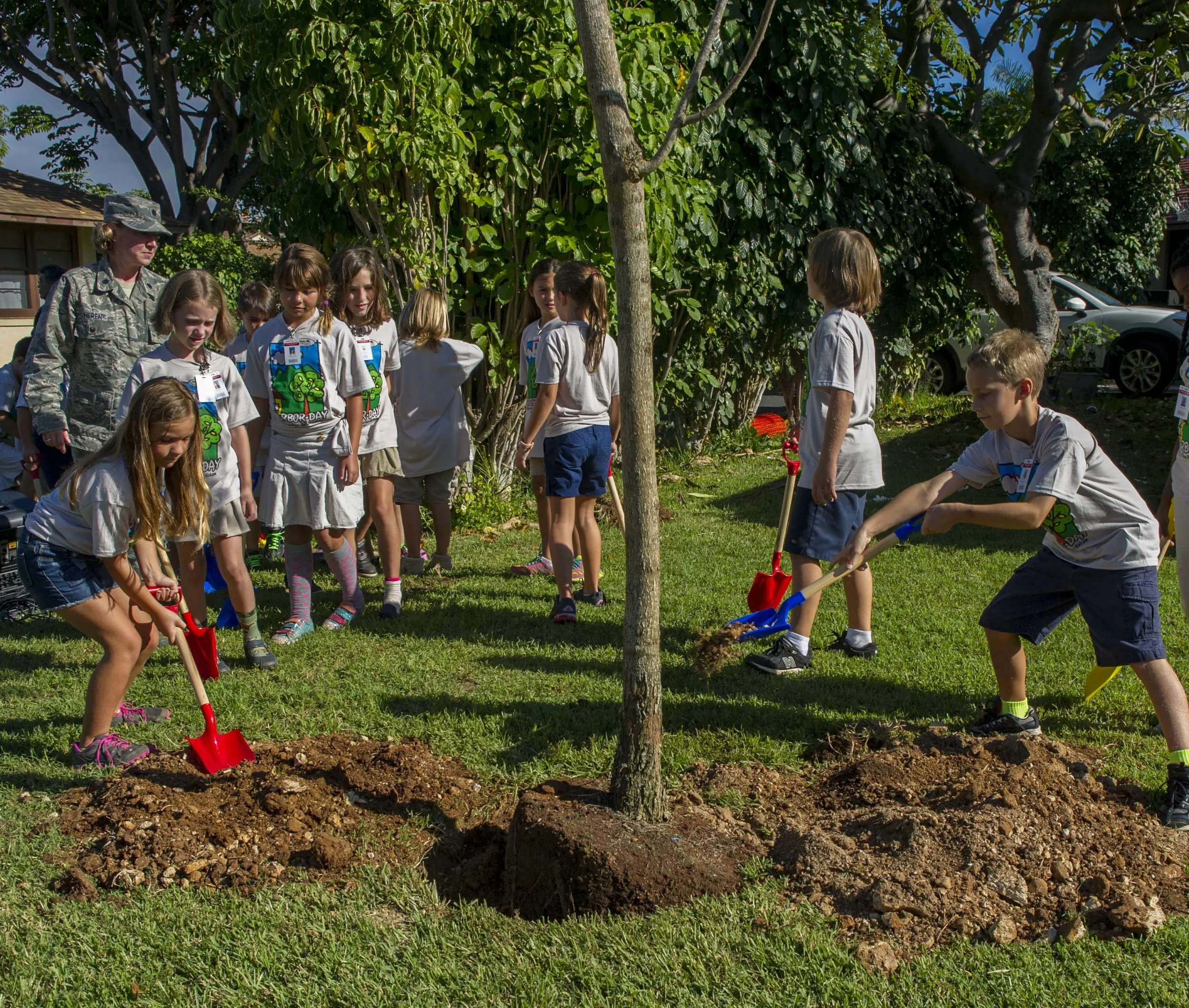
Read MorePlanting a tree, fixing a sidewalk or a street light, painting a crosswalk: these are some of the highest-returning investments we can make today. So why aren’t our cities oriented toward them? Two very different conversations featuring Strong Towns president Chuck Marohn explore this question.
Read MoreTax-exempt properties have a significant fiscal footprint. Do we understand the impacts we create through the too-often wasteful way we design and build public facilities such as city halls, schools, libraries, and parks?
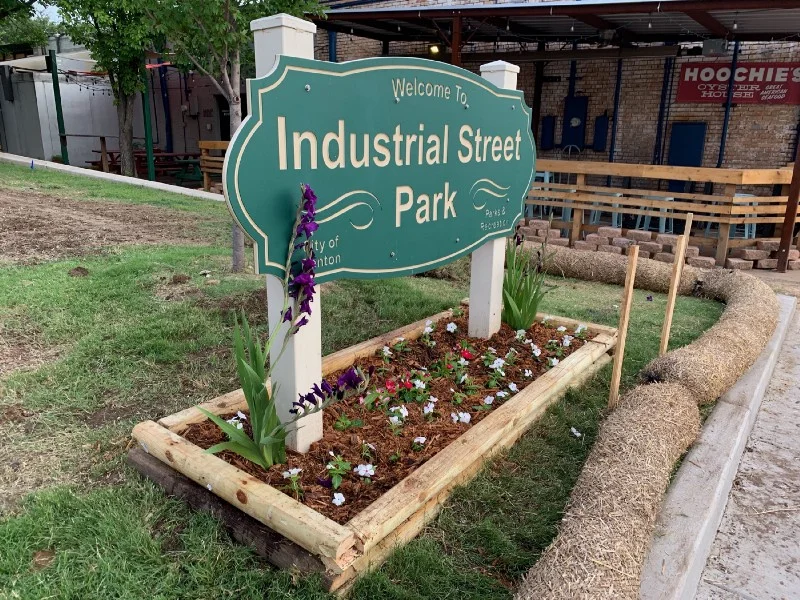
Read MoreLearn how Stronger Denton—a Denton-based, Strong Towns Local Conversation—took an incremental approach to invest in a park in downtown Denton.
Read MoreMixed-use, walkable neighborhoods have enduring appeal, are more financially productive than auto-oriented places… and we still don’t allow nearly enough of them to be built. A new study surveys the landscape of walkability in America’s large metropolitan regions.
Read MoreA recent lawsuit challenged the practice of marking tires with chalk to enforce parking time limits, calling it an illegal search. Be careful what you wish for: our cities just might be forced to start making car owners pay for their use of public space.
Read MoreAmerica has an excessive infrastructure problem—and perhaps nowhere is that more clear than in places like the massive, center-less city of Palm Bay, Florida.
Read MoreOnce a month we host Ask Strong Towns, a members-only live Q&A webcast. Here’s the video and audio from this month’s.
Read MoreA new study on the “perception gap” between America’s two major parties gives some hope that, at least at the local level, we can find ways to work together, despite our differences.
Read MoreStrong Towns has been urging cities to end single-family zoning for ten years. But are cities listening?
Read MoreGoogle wants to dedicate $1 billion to creating housing in the San Francisco Bay Area. This is a big enough number to make a real dent, but will it help tackle the systemic issues driving the region’s housing crisis?
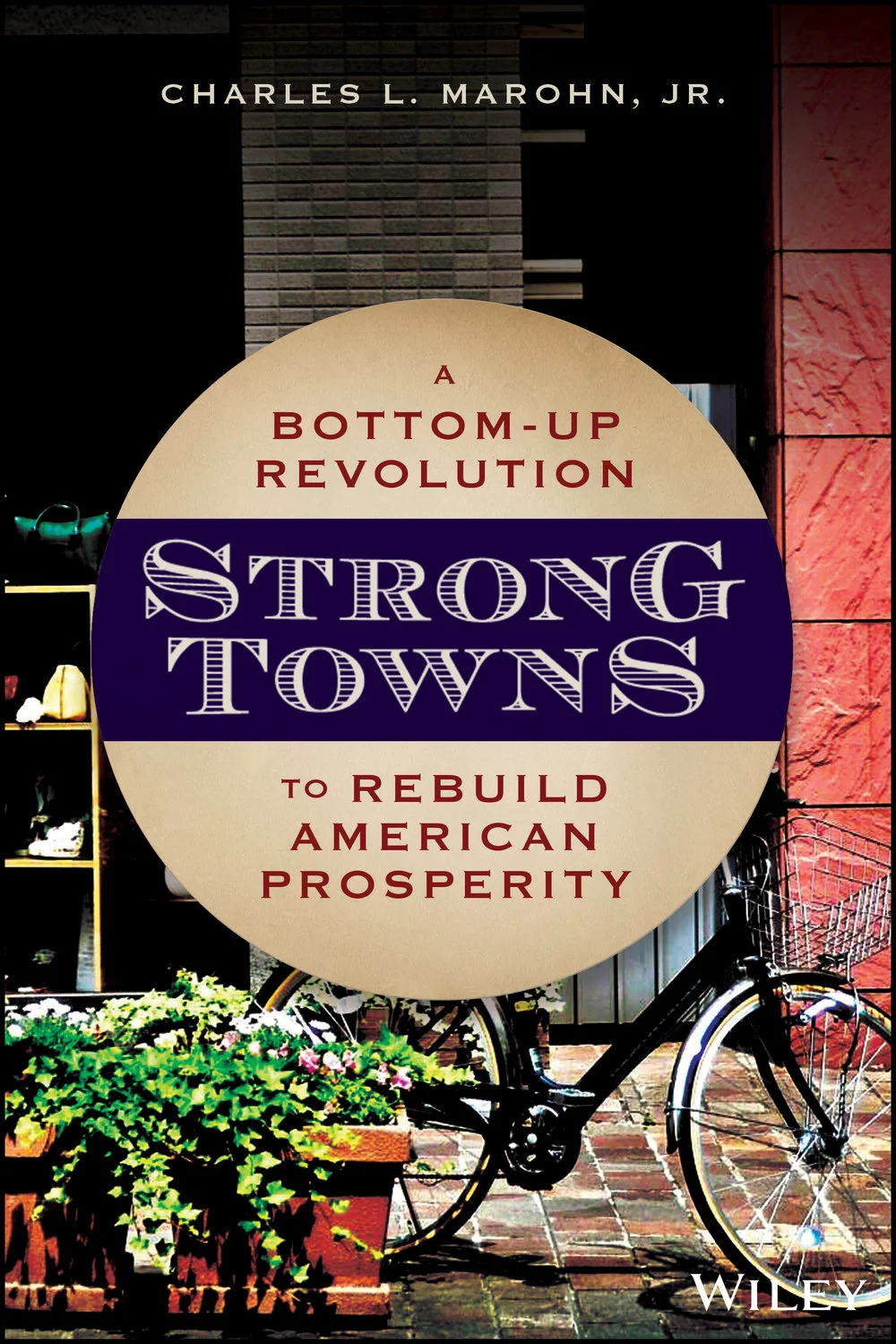
Read MoreWe're just 104 days away from the publication of Strong Towns, A Bottom-Up Revolution to Rebuild American Prosperity. And for those who pre-order a copy, we’ve got yet more exciting exclusive content to announce!
Read MoreMicro-neighborliness (n.): the small, patient, and practical ways that we pivot toward our localities and the people that we share them with. While we do not always hear these stories, the tangible effect that these small acts can have on our places is reason enough to celebrate them.
Read MoreMany cities impose a minimum lot size on residential neighborhoods—which can lead to more expensive housing and less tax revenue to pay for city services. But do these rules actually lead to bigger lots—or do they just reflect what the market would produce anyway? A new study sheds some light on that question.
Read More