
The Curbside Chat, An Introduction
This year we've put resources towards producing a series of videos that share snippets of the Curbside Chat message. Short, shareable videos of key parts of this message topped our request list a year ago. We're provided four thus far. This week -- our last week of the year before we take a break -- we release two more; one on Thursday and the other on Friday.
Here's the first video in this series by Gracen Johnson.
More from this Series

America’s cultural belief is that growing cities experience not only opportunity and prosperity today, but also success far into the future. There is a built-in assumption that new growth pays for itself today and generates enough wealth to sustain itself generation after generation This is a flawed assumption.
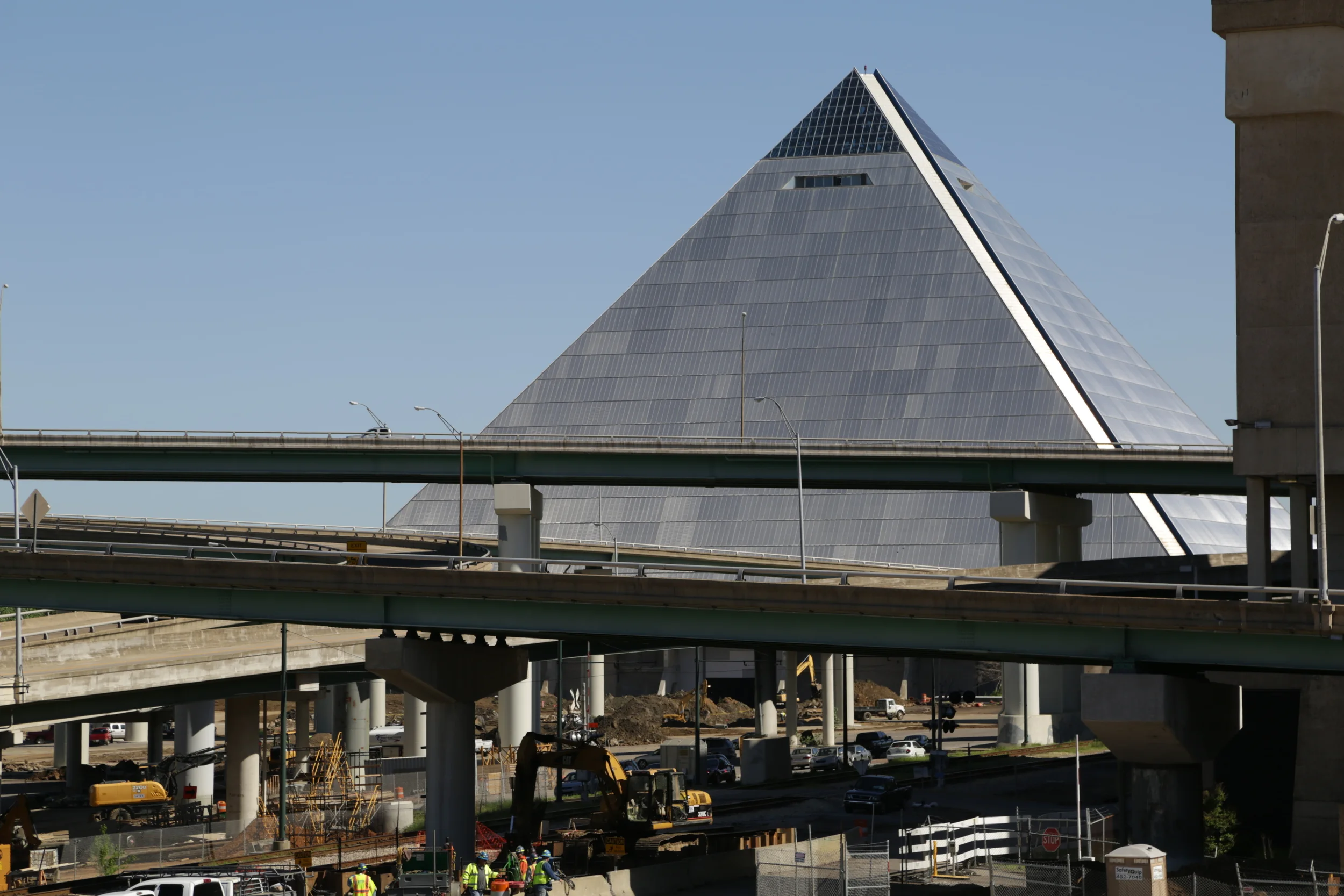
New growth creates an illusion of wealth. Local governments experiencing growth look and feel successful; they have high revenues and very little immediate costs associated with them. Long term though, as the liabilities start to come due, they learn that a free road isn't really free.

The biggest problem we face in this country is not a lack of growth. What we lack in America is productive growth—growth that builds wealth generation after generation. Productive growth makes a place better with age. It's full of cycles, endings and beginnings, rather than being a linear journey toward decline.

We like our places to emerge fully formed and then we expect them to never change, but that's not how life works. Cities need to be able to change and adapt, to start small and mature incrementally over time. We can't wait around for a big developer or a mega-project to fix our cities. The kind of development we need today happens from the bottom up.
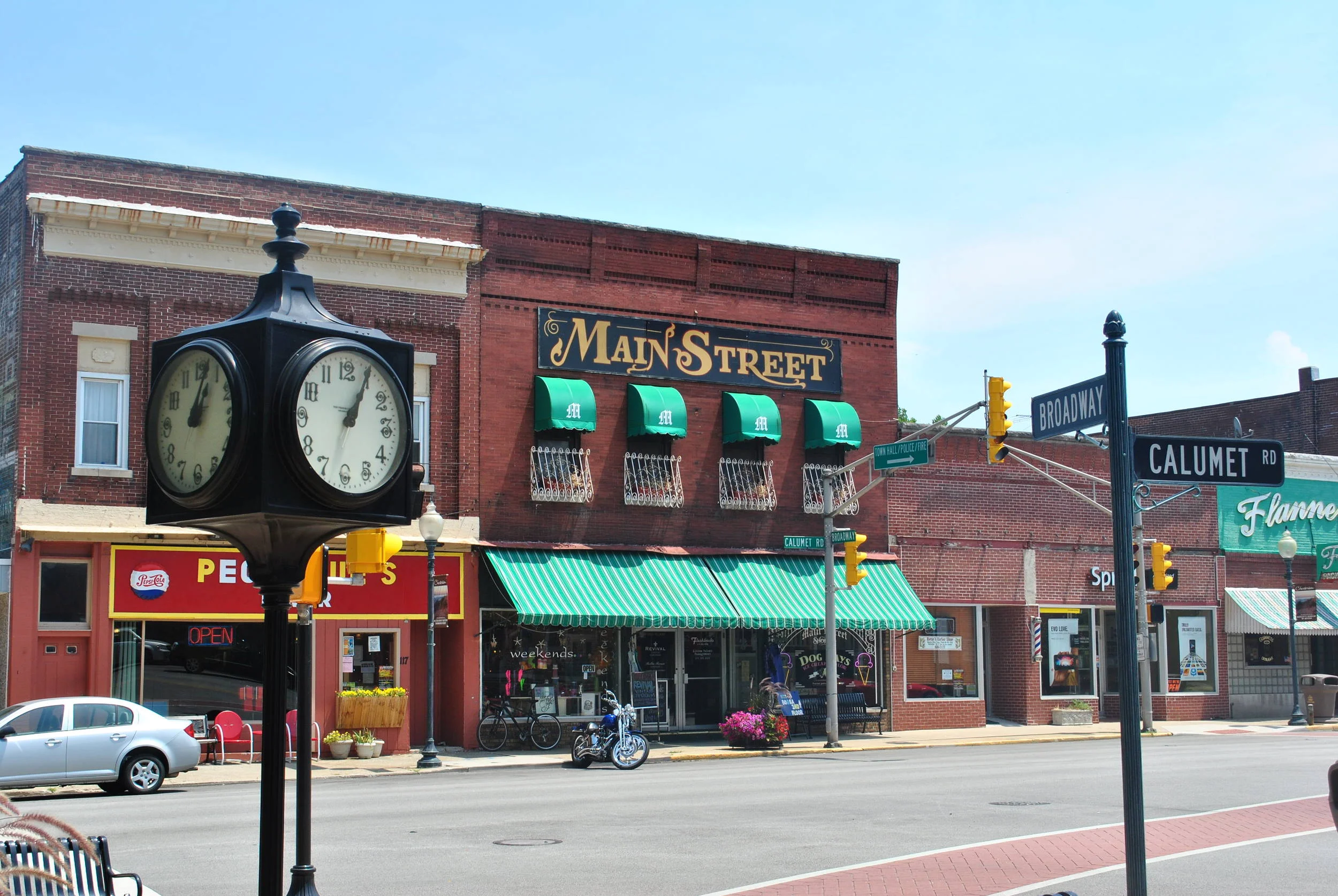
The traditional development pattern has tremendous financial upside and limited financial downside. In contrast, our new, experimental approach is incredibly fragile with limited financial upside and a downside that can literally go negative. We can learn from the past in order to stop making the mistakes that will condemn our future.
For thousands of years, humans built settlements scaled to people who walked. In a generation, Americans transformed an entire continent around a new transportation technology. We often fail to appreciate how we are testing this approach as we go. Quite simply: it's a massive experiment.