Electric bikes and scooters have enormous advantages for short urban trips. How will they change our cities? When Elisha Otis introduced the safety elevator in 1852, he never imagined skyscrapers.
Read More
Electric bikes and scooters have enormous advantages for short urban trips. How will they change our cities? When Elisha Otis introduced the safety elevator in 1852, he never imagined skyscrapers.
Read MoreEarthship Biotecture is an attempt to answer a radical question: can you build a house that not only needs substantially less infrastructure than the average home, but needs almost no infrastructure at all?
Read MoreWhy stake our hopes on a technology that’s still far from ready for mass adoption? Building walkable cities, where jobs, goods and services are closer together, is a much surer, cheaper, less resource-intensive path to sustainability.
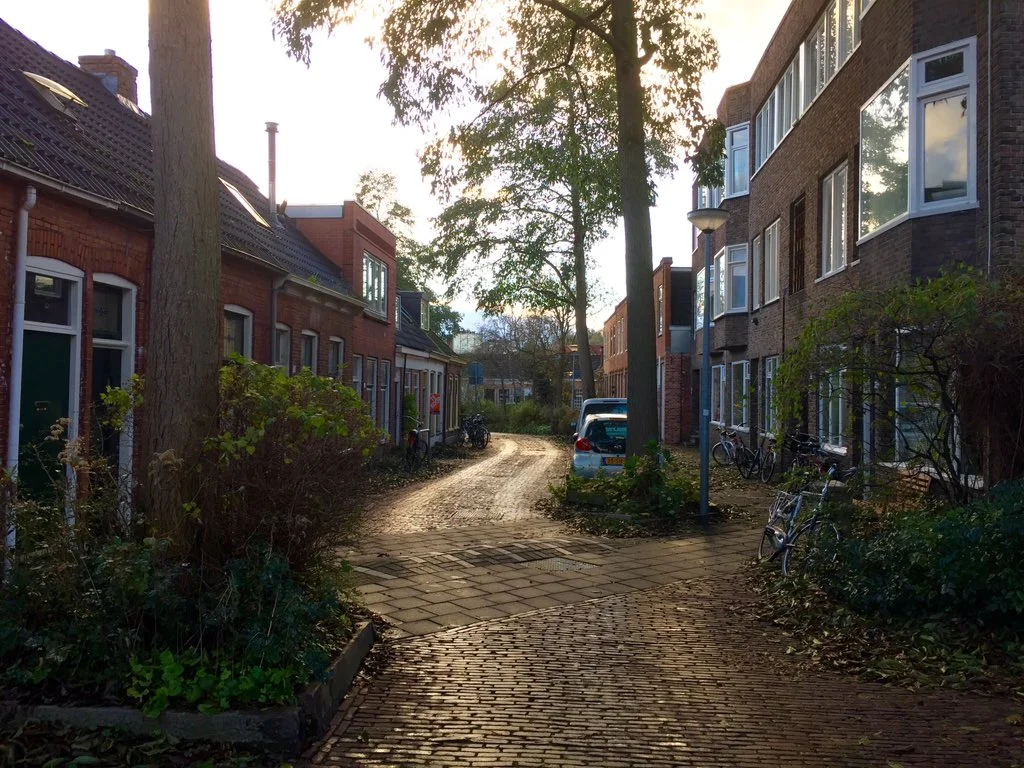
Read MoreYour town's streets are its vital organs. A great street can make a place, and a badly-designed street can kill a place. We want you to tell us about a street you love that makes your town a stronger, more resilient place.
Read MoreMyth busting time: that infuriating thing you saw a bicyclist do the other day? They were probably doing it for a reason, that reason probably had to do with safety, and it might not have been against the law after all.
Read MoreIn the latest episode of the Strong Towns podcast, Chuck talks with Lynn Richards, President and CEO of the Congress for the New Urbanism (CNU). The two discuss how CNU has evolved, and what its future might look like as an organization, event, and movement.
Read MoreYou can’t build stroads, subsidize big box stores and accept endless edge development, and have that work out for you just because you threw a block party, painted a mural and put in a temporary bike lane.
Read MoreWe’re honored to celebrate Muskegon’s selection as the 2018 Strongest Town.
Read MoreMeet several of the presenters who will be at our North Texas Regional Gathering next month, and learn about the work they’re doing to move their Texas communities away from business as usual and toward fiscally sustainable development.
Read MoreIn the latest episode of the Strong Towns podcast, we share a conversation Chuck had at CNU 2018 with three of the geoanalytics wizards from Urban3. Hear the latest on their efforts to spread the message about where your city’s wealth is really coming from.
Read MoreSometimes our community leaders don’t do what we think they should. Here are some suggestions for getting their attention and influencing the agenda in your town or city.
Read MoreEverything has a beginning, a middle, and an end. Our current institutions are in the process of failing and are unlikely to be reformed. Once the dust settles, we’ll create new institutions and a fresh cultural consensus that respond to pressing needs on the ground.
Read MoreIf your growth strategy only works as long as wealthy people live in your town, your growth strategy is deeply fragile.
Read MoreA tactical urbanism success in Cincinnati demonstrates the ability to solve problems on our streets—in this case, parking for dockless scooters—by rapidly prototyping solutions in low-cost, low-risk ways.
Read MoreIn working to create better places, keep the stakes low, so even skeptics are more willing to indulge some risk. Take a little step. Root the conversation in reality. Then adjust and press on to those big plans.
Read MoreIf we want to fix crony capitalism, what we really need is to localize capital.
Read MoreWe’re hosting a regional gathering in North Texas in October, and we’re assembling a line-up of local and national expert presenters. Our speakers bring a wealth of wisdom and experience in building strong towns, and we're proud to begin introducing them to you here!
Read MoreAs a cycling advocate, I avoid talking about the times when riding a bike in the city is scary, because I don’t want to deter would-be new riders from giving it a try. There’s only one problem with pretending I’m never afraid: it isn’t true.
Read MoreIn this podcast episode, Chuck interviews Corie Brown, Zester Media co-founder and a writer on the food system, about the depopulation of rural Kansas, as mechanized agriculture reduces the need for farm labor, and the social toll that it is taking in isolated, shrinking towns.
Read MoreIn an area where the population is growing, one question often vexes neighbors: why is that house or storefront vacant? It just doesn’t seem to make sense. Why do landlords leave properties empty when they could be getting rent?
Read More