Salvador “Sal” Galdamez—founder and president of nonprofit York XL—shares how you can bring your neighbors together around bottom-up action to create more prosperous, healthy, and empowered neighborhoods.
Read More
Salvador “Sal” Galdamez—founder and president of nonprofit York XL—shares how you can bring your neighbors together around bottom-up action to create more prosperous, healthy, and empowered neighborhoods.
Read MoreDan Burden has been called the “Johnny Appleseed of pedestrian and bike design.” You asked one of the world’s foremost experts on planning for healthy, active communities your questions in our latest Ask Strong Towns—and now we’re sharing the video.
Read MoreA leading infill developer in Victoria, BC is building beautiful homes that address the housing crisis and make neighborhoods stronger. They’re also changing the conversation about what’s possible.
Read MoreSkeptics cite empty buses and trains as proof that public transit isn’t worth the investment. But what if they applied their same standard to our rural highways?
Read MoreOur economic system prizes growth above all. This has created a looming disaster, at both the local and national levels. How did we get here? And is there an alternative?
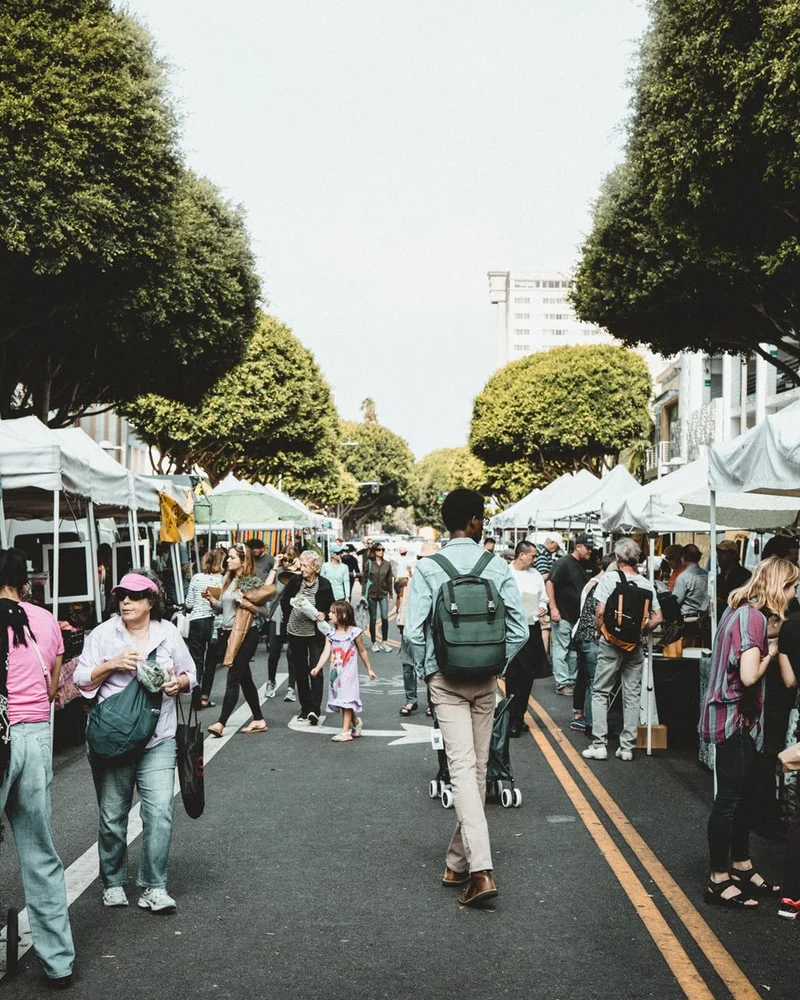
Read MoreWant to feel a deeper attachment to the neighborhood you call home? Here are six action items guaranteed to connect you with neighbors and inspire creative ways to leverage your resources for the common good.
Read MorePublic officials trying to make their city’s street more humane are often thwarted by the professional engineers giving them advice. If that’s your city, it’s time to make a change.
Read MoreHint: even if you get a road for free, you still have to pay to maintain it.
Read MoreIn Seattle, policy victories tend to be long-fought and hard-won. What will it take to achieve a city that can flex, evolve, and meet its residents’ needs in a more organic way, without every change becoming an arduous political battle?
Read MoreMy bedroom community’s streets are aging, and we recently learned that we need to double our pavement preservation spending to keep them from declining further. Here’s what we’re doing about it—and why the Strong Towns philosophy is instrumental for us.
Read MoreA remarkably diverse coalition of activists is moving the needle in Seattle on the question of who—and what—belongs in the city’s neighborhoods. And they’ve scored two big policy victories in 2019. Is it enough?
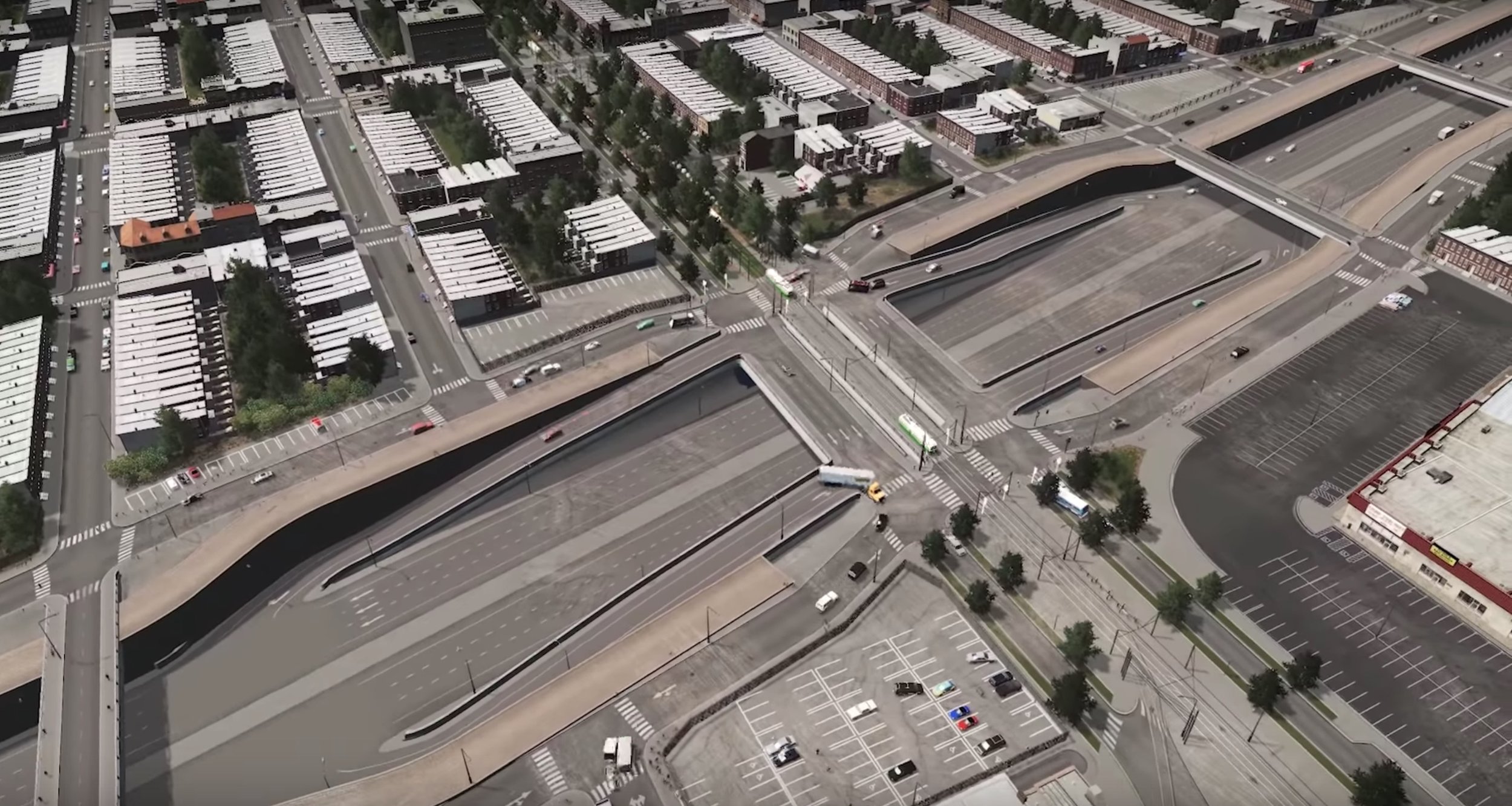
Read MoreA Youtuber who goes by donoteat01 brilliantly uses the Cities:Skylines video game as a storytelling tool—in this case, to help us understand the ugly human consequences of the postwar urban freeway-building era.
Read MoreCary Westerbeck—Strong Towns member and Founder of Bothellites for People-Oriented Places (Bo-POP)—shares how you can create people-oriented places in your own community, including how to educate people about people-oriented places, how these places create more financially resilient places, and how you can demonstrate your vision.
A new report on the interstate highway system from the Transportation Research Board of the National Academy of Sciences is not propaganda for the road-building industry. So why does it still read like it is?
Read MoreThe poorest neighborhoods also tend to be the warmest. That’s according to a fascinating study of the 97 largest American cities. Here’s why extreme heat is more likely to affect the poor and what communities can start to do about it.
Read MoreHow modifications to one city’s development codes are making it possible to add wealth and vibrancy to its struggling neighborhoods… without taking on huge future liabilities.
Read MorePatrick Deneen, author of the bestselling Why Liberalism Failed (hint: he doesn’t mean the political left), talks with our own Chuck Marohn about the political crisis facing Western societies, and how rediscovering a sense of rootedness in community—defaulting to loyalty over “looking for the exits”—might be the answer.
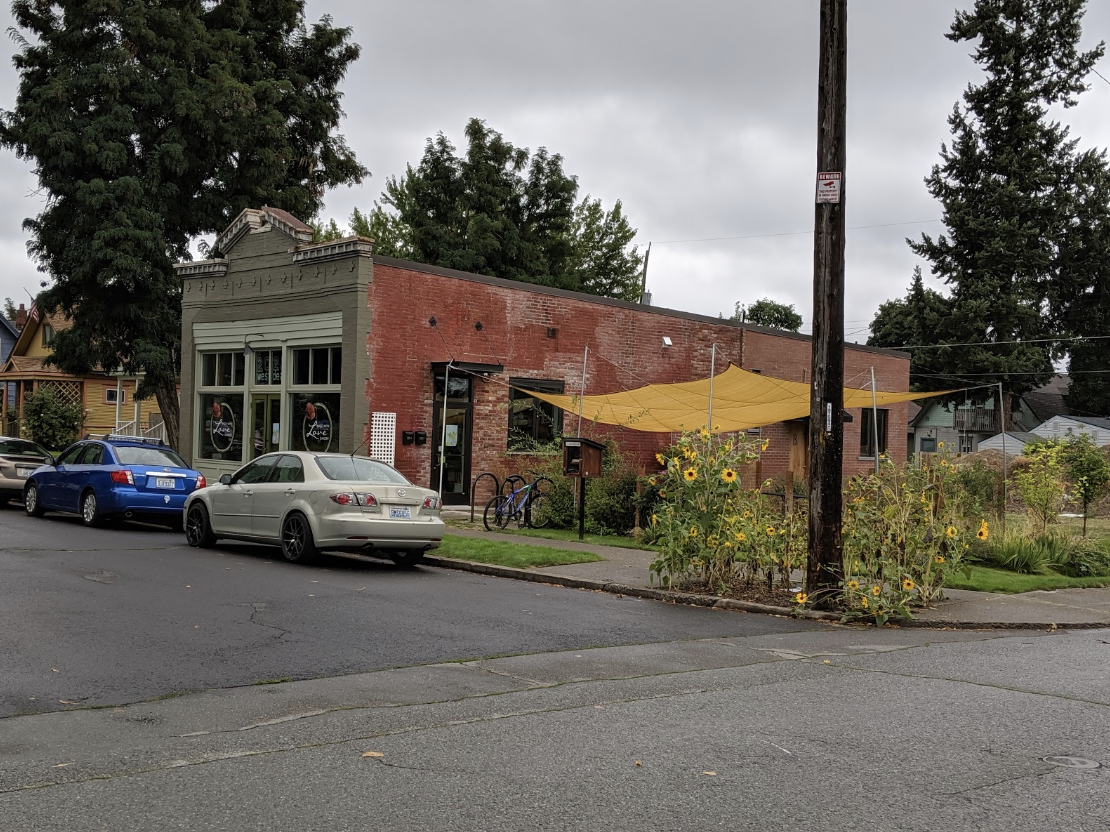
Read MoreTwo very different buildings in Spokane illustrate the unfulfilled promises of the post-war suburban experiment and the potential for new life in even the unlikeliest of neighborhoods.
Read MoreThe Strong America Tour starts this week with a swing through the Pacific Northwest. Here’s what to expect.
Read MoreThe most successful companies iterate. Before they go “all-in” on a new product, they prototype, test, learn and adapt. If only there was a similar process cities could use before committing massive resources to something that may not work. Oh wait, there is! In defense of the much-maligned pilot project.
Read More