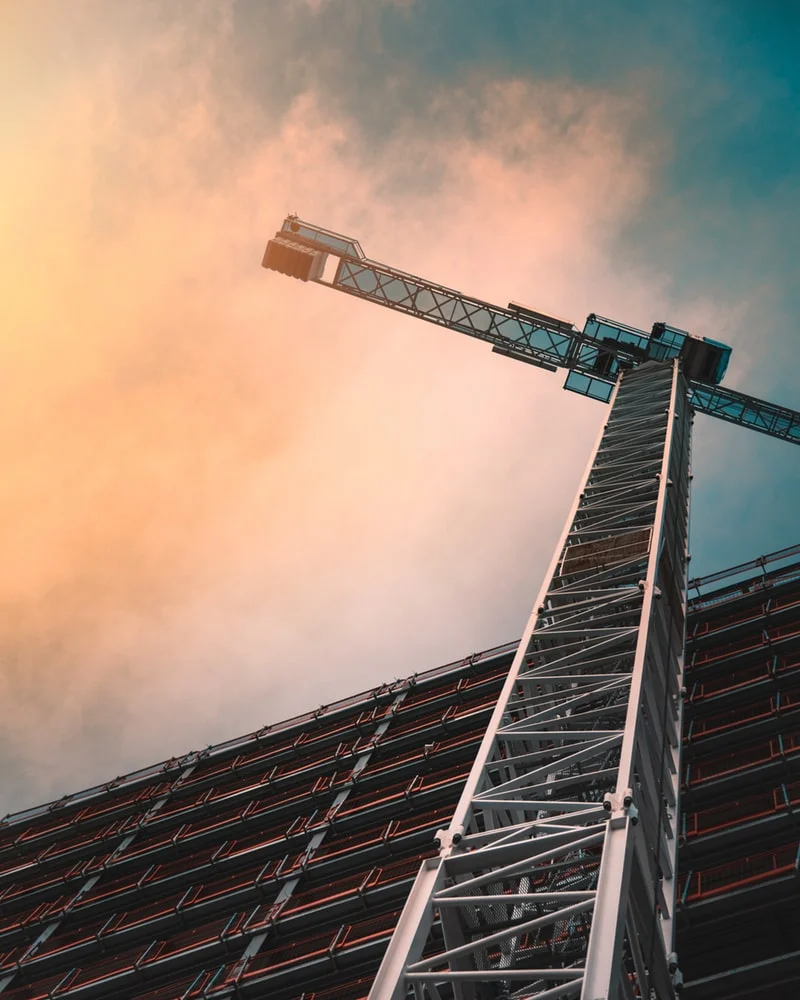
Many cities think they need to grow to get strong. But adding thousands of additional acres to the city and millions of dollars in infrastructure is usually the last thing a city needs. It’s like trying to lose weight by consuming more pizza and beer.
Read MoreDoes walkability promote economic mobility? A new study suggests so. But will planners, engineers, and policy-makers take notice?
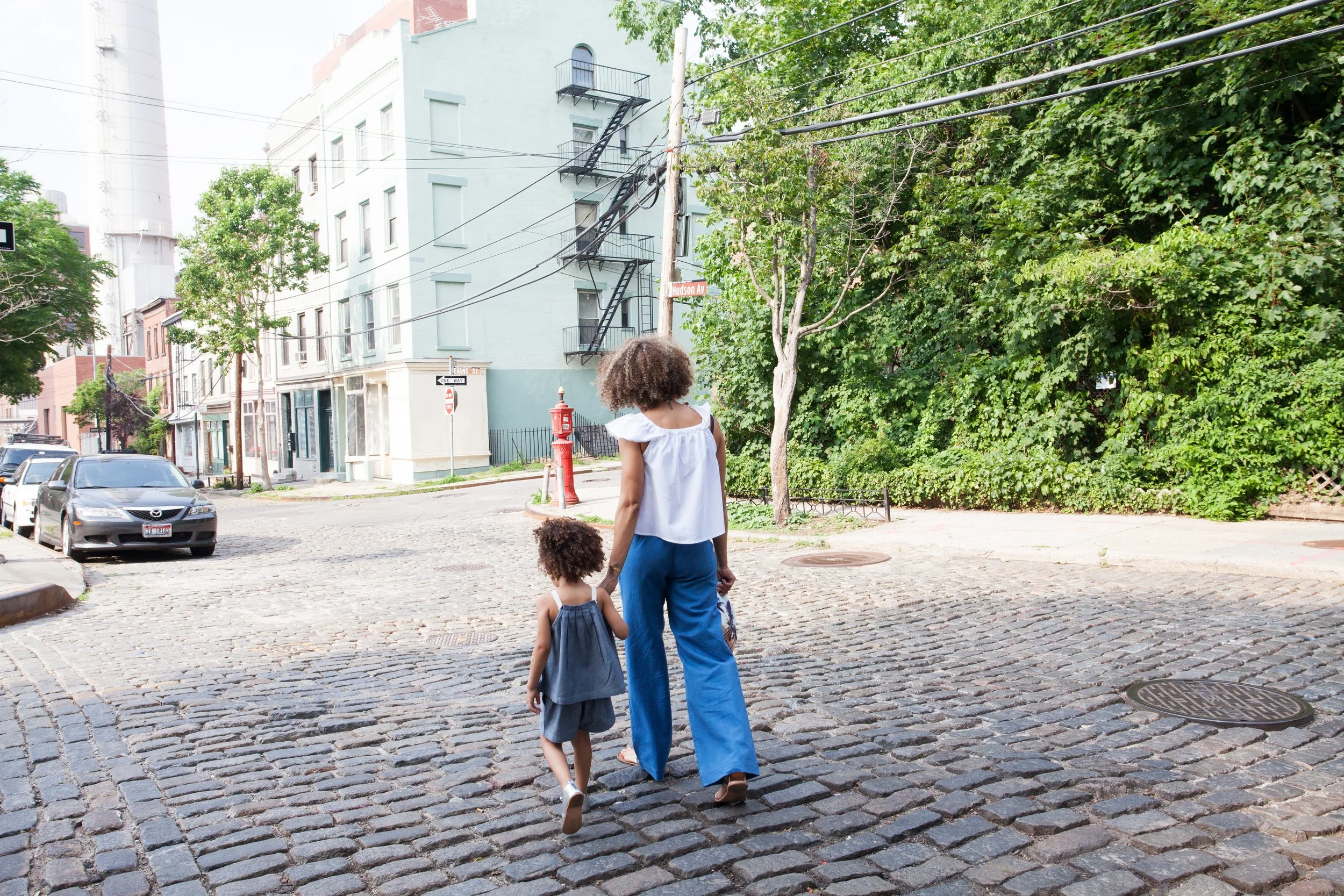
Read MoreWe need each other. Whether we live in a small town, dense city, or sprawling suburb, we can’t do life alone…or at least not well. How do we resist fragmentation and find the wholeness and community we need to really thrive?
Read MorePeople might think of city life as necessarily “hard.” But the creative director at a Copenhagen-based urban design firm begs to differ. There are a few simple principles that can “soften” our city, drawing us closer together and radically improving our quality of life.
Read MoreCopying and pasting lighting codes from other cities seems like a good idea. Why reinvent the wheel? But doing so thoughtlessly can obscure what is unique and valuable about your own community.
Read MoreSee the Strong Towns movement in action as readers and members crowdsource ideas, ask questions, and share neighborhood-boosting insights.
Read More“Make no little plans — they have no magic to stir men’s blood.” So said Daniel Burnham, and city officials (mayors, planners, engineers) have been taking that advice to heart for decades…often with disastrous results. But does that mean there is no room for big dreams? What would a Strong Towns master plan look like?
Read MoreThe Strong Towns movement is comprised of real people in real places. We’re meeting more and more of them on the road. Now we’re sharing their stories in a new social media campaign.
Read MoreAt the heart of top-down approaches to both criminal justice and city planning is a misconception about true “efficiency.” Restorative justice — like Strong Towns — is the bottom-up alternative, drawing from the wisdom of the past while taking the longview on success.
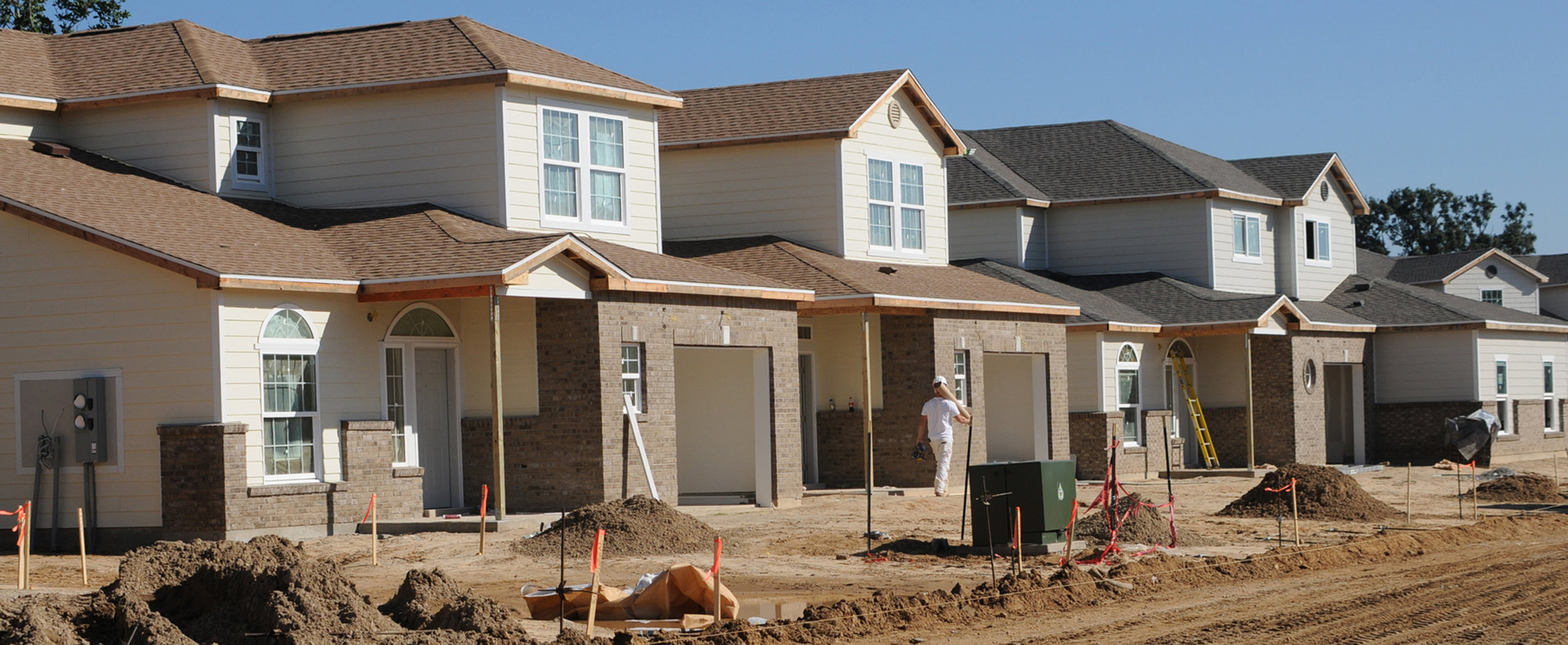
Read MoreMost local housing markets in the U.S. are oligopolies: new construction is dominated overwhelmingly by only a few developers. How did we get here, and why is it this bad news for housing affordability, as well as for our cities’ financial strength and resilience?
Read MoreIn the criminal justice system, as in city planning, the perceived need for “efficiency” is often at odds with the deeper needs of the community. Yet that’s not how our societies evolved to handle conflict. How can we restore some of the wisdom of the past? A fascinating conversation about the intersection of restorative justice and building stronger towns.
Read MoreMelody Warnick has written an essential book on the topic of place attachment, the bond that can be cultivated between a person and his or her community. She joined us for a special Celebrity Ask Strong Towns, where you got to ask your questions. Here’s a video of that conversation.
Read MoreThose two things are all you should need to be able to make sense of your city's zoning code. At least that's the philosophy guiding South Bend, IN planners as they overhaul the city's regulations to be more legible and useful.
Read MoreIs Strong Towns changing the conversation in our town? Have you taken action to make your place stronger that’s inspired by our message? We want to hear about it.
Read MoreA “green belt” suburb with its roots in the New Deal faces pressures associated with conventional, auto-oriented development. How should residents approach decision-making so that the town’s future is as rich as its past?
Read MoreOur preference for the incremental, iterative, and bottom-up is well-known. But does that mean there is no room for big dreams and master plans?
Read MoreAtlanta is one of the fastest gentrifying cities in the country. King Williams, an Atlanta-based writer and documentary filmmaker, describes what makes that city’s experience with gentrification unique, why gentrification is avoidable, and why Atlanta’s middle-class is now facing displacement too.
Read MoreWe used to have a different name for the modest dwellings that now get labeled “tiny houses.” For most of history, this was simply a house—a low-cost way for people to put down roots in a place and begin to grow some wealth for themselves and the neighborhood.
Read MoreWe have to stop looking at the stagnation and decline of our blocks and neighborhoods as a normal part of the development process.
Read MoreA growing community of Strong Towns readers are crowd-sourcing best practices, sharing stories, asking advice, and gleaning wisdom. Here is the Strong Towns movement at work.
Read More