Hint: even if you get a road for free, you still have to pay to maintain it.
Read More
Hint: even if you get a road for free, you still have to pay to maintain it.
Read MoreIn Seattle, policy victories tend to be long-fought and hard-won. What will it take to achieve a city that can flex, evolve, and meet its residents’ needs in a more organic way, without every change becoming an arduous political battle?
Read MoreMy bedroom community’s streets are aging, and we recently learned that we need to double our pavement preservation spending to keep them from declining further. Here’s what we’re doing about it—and why the Strong Towns philosophy is instrumental for us.
Read MoreA remarkably diverse coalition of activists is moving the needle in Seattle on the question of who—and what—belongs in the city’s neighborhoods. And they’ve scored two big policy victories in 2019. Is it enough?
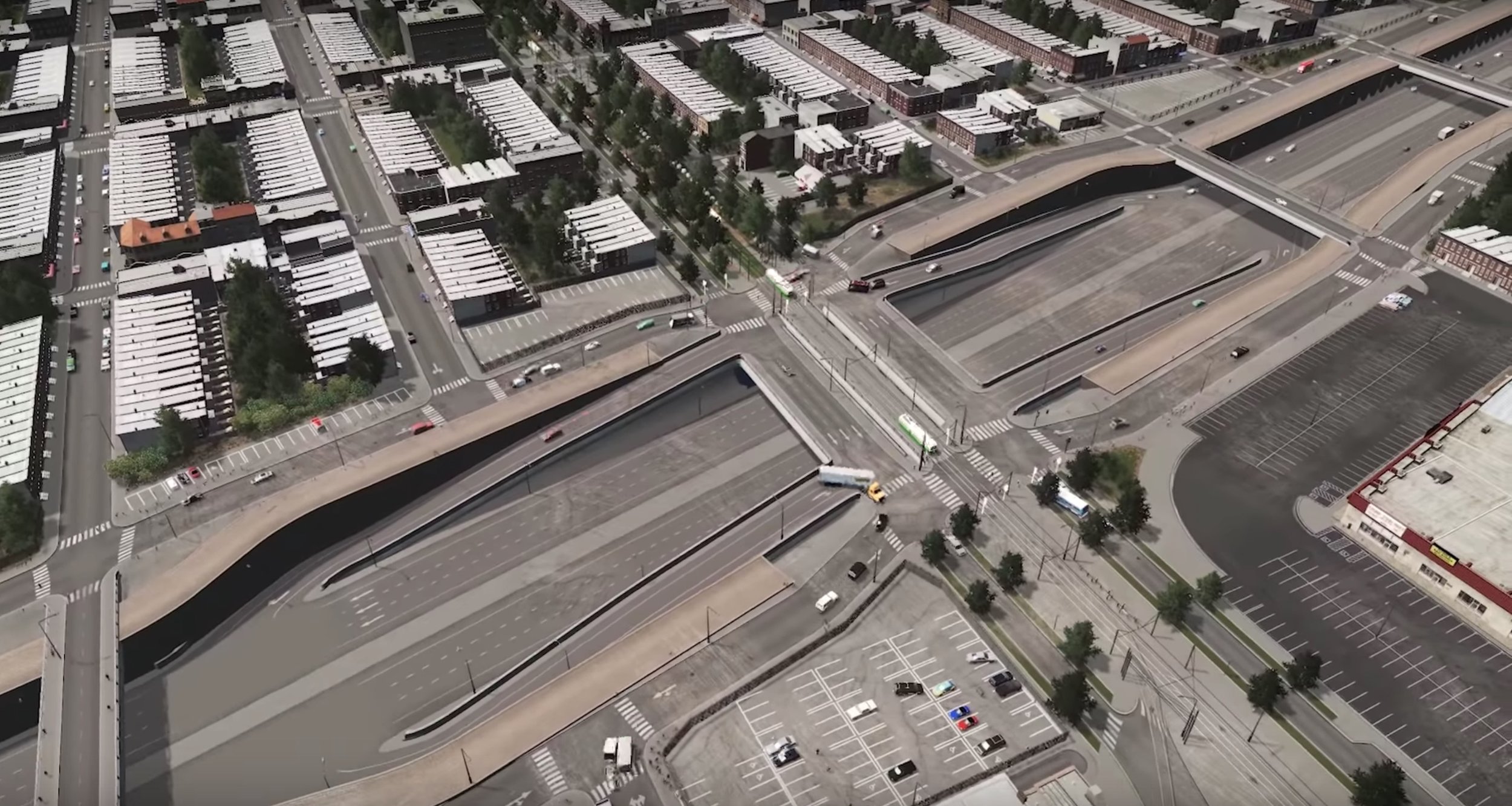
Read MoreA Youtuber who goes by donoteat01 brilliantly uses the Cities:Skylines video game as a storytelling tool—in this case, to help us understand the ugly human consequences of the postwar urban freeway-building era.
Read MoreCary Westerbeck—Strong Towns member and Founder of Bothellites for People-Oriented Places (Bo-POP)—shares how you can create people-oriented places in your own community, including how to educate people about people-oriented places, how these places create more financially resilient places, and how you can demonstrate your vision.
A new report on the interstate highway system from the Transportation Research Board of the National Academy of Sciences is not propaganda for the road-building industry. So why does it still read like it is?
Read MoreThe poorest neighborhoods also tend to be the warmest. That’s according to a fascinating study of the 97 largest American cities. Here’s why extreme heat is more likely to affect the poor and what communities can start to do about it.
Read MoreHow modifications to one city’s development codes are making it possible to add wealth and vibrancy to its struggling neighborhoods… without taking on huge future liabilities.
Read MorePatrick Deneen, author of the bestselling Why Liberalism Failed (hint: he doesn’t mean the political left), talks with our own Chuck Marohn about the political crisis facing Western societies, and how rediscovering a sense of rootedness in community—defaulting to loyalty over “looking for the exits”—might be the answer.
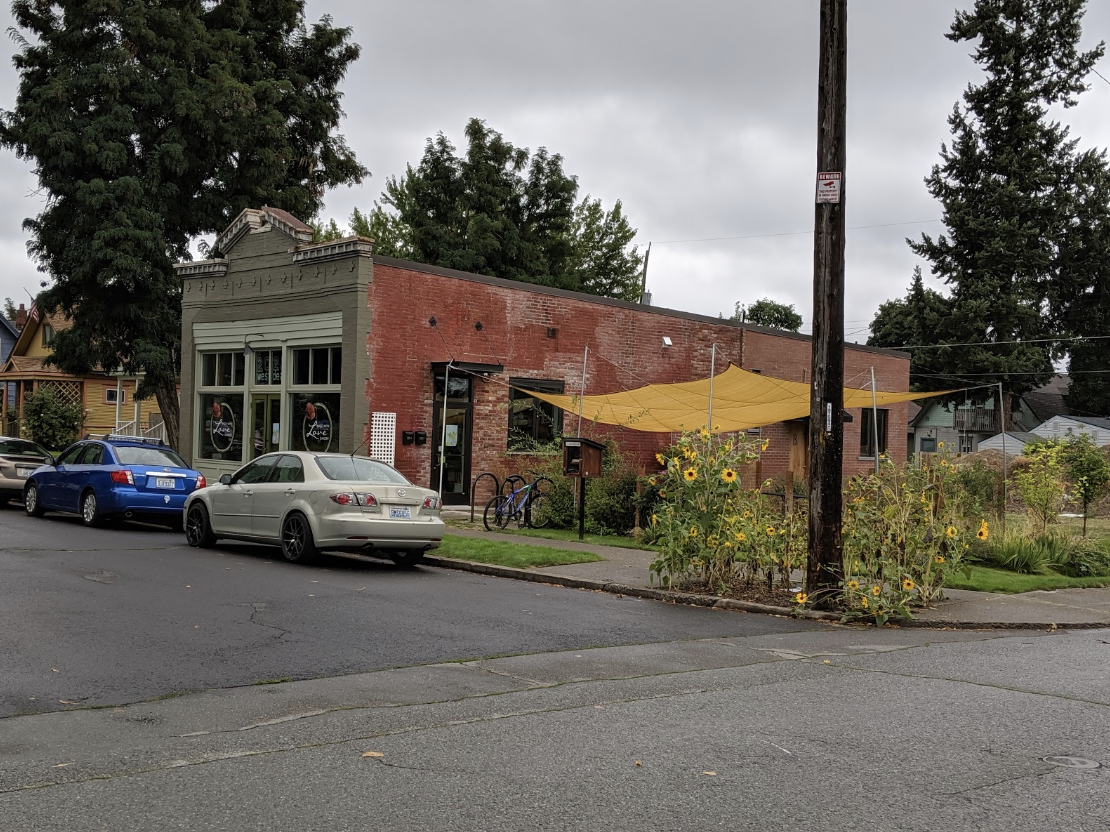
Read MoreTwo very different buildings in Spokane illustrate the unfulfilled promises of the post-war suburban experiment and the potential for new life in even the unlikeliest of neighborhoods.
Read MoreThe Strong America Tour starts this week with a swing through the Pacific Northwest. Here’s what to expect.
Read MoreThe power and peril of looking backwards. We look back to learn much-needed lessons, but how do we avoid romanticizing a past that maybe wasn’t that great to begin with?
Read MoreThe most successful companies iterate. Before they go “all-in” on a new product, they prototype, test, learn and adapt. If only there was a similar process cities could use before committing massive resources to something that may not work. Oh wait, there is! In defense of the much-maligned pilot project.
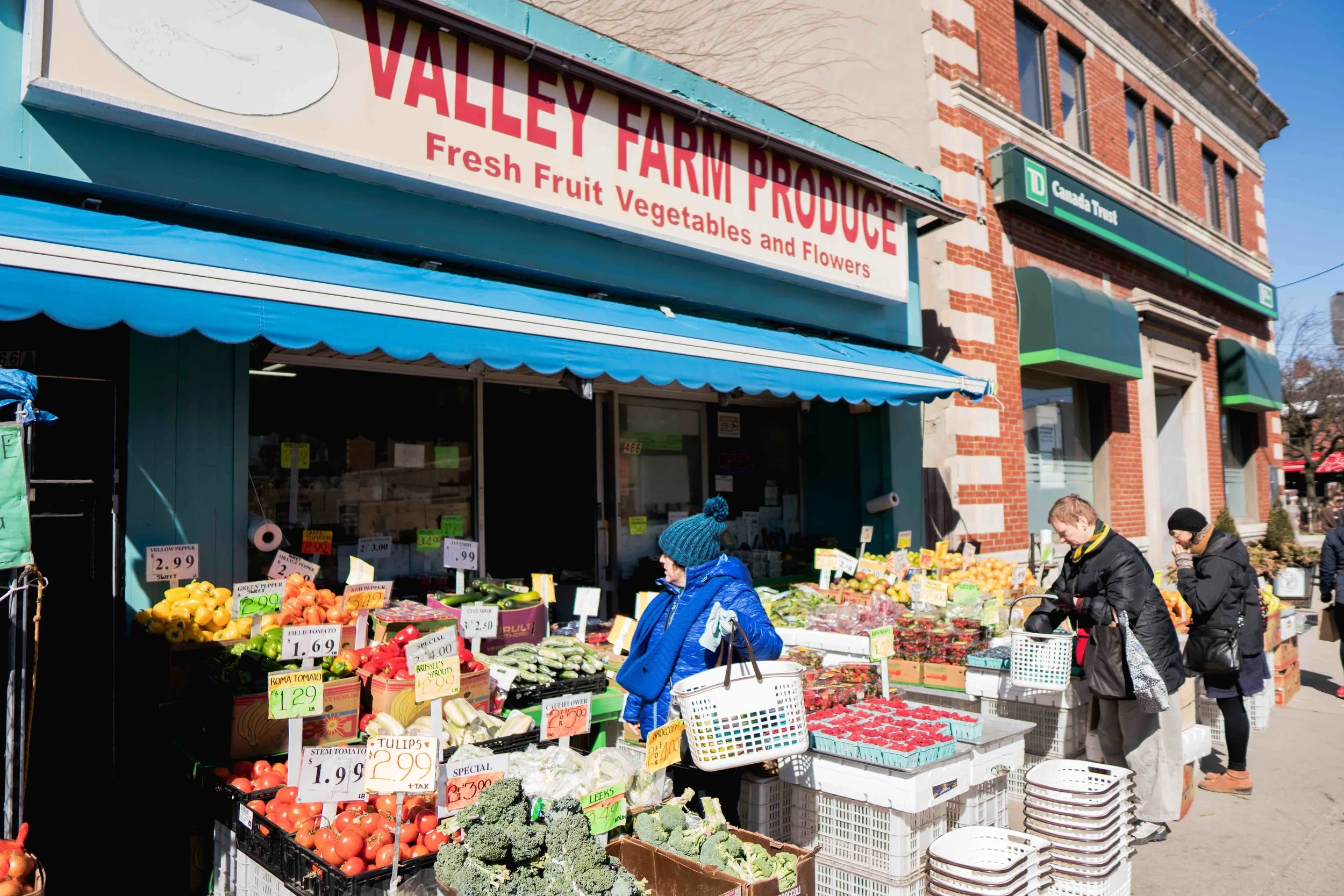
Read MoreWe hear it everywhere we go: people want, and cherish, the kind of complete neighborhood where you can meet most of your daily needs within a 15-minute walk. What will it take to create more such places in North American cities and towns?
Read MoreReclaiming the art of neighboring may be the closest thing we have to a solution for the social isolation, the political polarization, and the superficial relationships that plague our neighborhoods. To make our communities stronger and more connected, here are three shifts we all need to make.
Read MoreCivic leaders, professional planners, activists and practitioners, or simply good neighbors — all of us can do better at acknowledging the ripple effect our decisions (large and small) have on our communities. These questions can help.
Read MoreFlawed methodology. Lack of accountability. Discrepant data. Egregious assumptions. The new Urban Mobility Report will be used to make or justify transportation policies around the country, which makes it too wrong to be ignored.
Read MoreLarge swaths of our cities were built to reflect a post-World War Two boom that was an economic anomaly. But that party is long over…and, in many ways, wasn’t that great to begin with. So why do we keep romanticizing the past rather than thinking about the cities we need now?
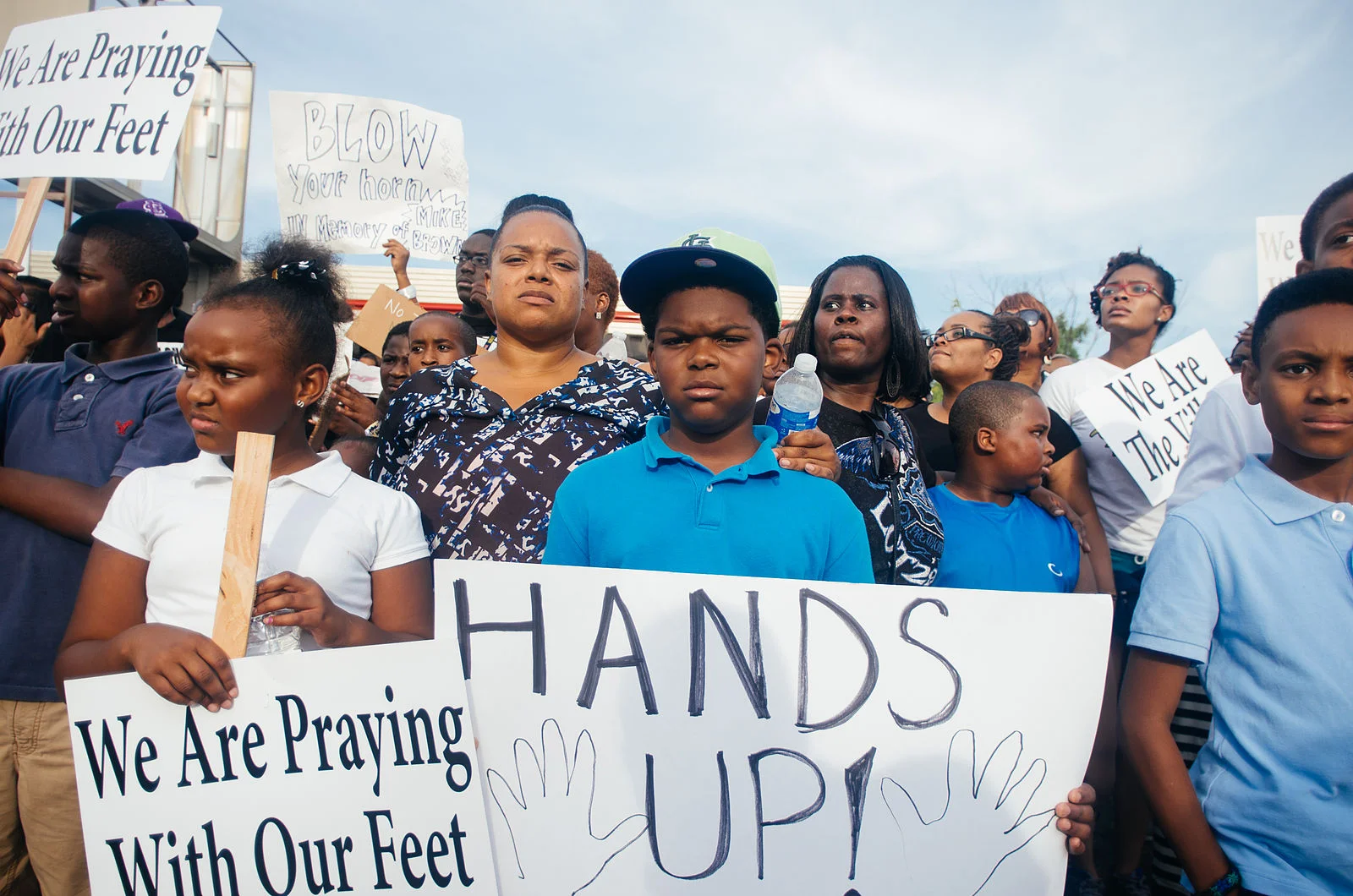
Read MoreThe killing of Michael Brown’ in August 2014 brought global attention to police brutality and racial inequality in the U.S. While there have been some reforms in Ferguson over the last five years, other structural issues — including a city infrastructure largely not built to benefit the people who actually live there — remain the same or have gotten worse.
Read More