For a traffic engineer, to be conservative in your design is to spend extra money building capacity you don’t really need. The spiraling costs of this approach are enormous.
Read More
For a traffic engineer, to be conservative in your design is to spend extra money building capacity you don’t really need. The spiraling costs of this approach are enormous.
Read MoreEight years ago redevelopment agencies were abolished in California. Are they making a comeback...and, if so, is that a good thing? In the final podcast of 2019, Chuck Marohn is joined by Steven Greenhut and Mike Madrid for a roundtable discussion on the resurgence of these controversial agencies.
Read MoreWondering what to listen to this holiday season? Here are seven podcasts to keep you company on your way to a holiday celebration and inspire you for the New Year.
Read MoreAn annual tradition, here is Chuck Marohn’s list of his favorite books he read in 2019.
Read MoreLarge swaths of our cities were built to reflect a post-World War Two boom that was an economic anomaly. But that party is long over…and, in many ways, wasn’t that great to begin with. So why do we keep romanticizing the past rather than thinking about the cities we need now?
Read MoreWhen Strong Towns founder Chuck Marohn’s foundational beliefs about the market came up against how towns and cities were actually being built, something had to give. The process was often painful, and it left him wondering: Is a truly “free” market even possible?
Read MoreA recent study on the “perception gap” between America’s two major parties gives some hope that, at least at the local level, we can find ways to work together, despite our differences.
Read MoreUntil America gets its infrastructure priorities straight, the last thing we need is to pump more spending into a broken system. 2019 felt like a breakthrough year for our call for #NoNewRoads, one in which we had more influential allies and receptive ears on this point than ever before.
Read MoreMost neighborhoods face a stark choice between the trickle or the fire hose: either virtually no new development or investment, or cataclysmic change that leaves a place unrecognizable. We need to get out of this destructive dichotomy.
Read MorePublic officials trying to make their city’s street more humane are often thwarted by the professional engineers giving them advice. If that’s your city, it’s time to make a change.
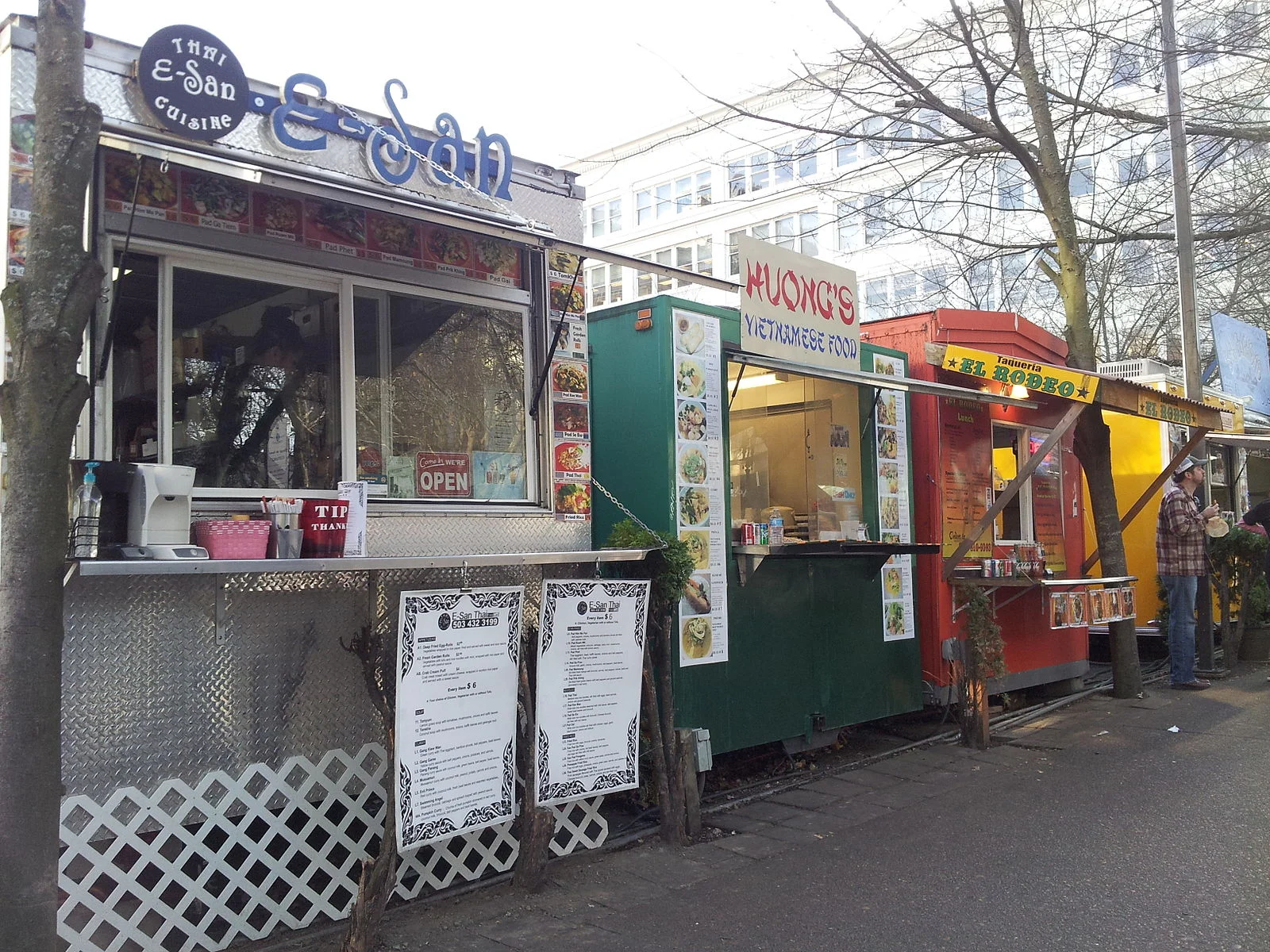
Read MorePortland diners are mourning the loss of one of the city’s largest and longest-running food cart pods. The property is being redeveloped as a 35-story high-rise. What can the death and birth of food cart pods teach us about the importance of dynamic change in cities?
Read MoreTwo simple photos show the difference between a street simply designated 20 miles per hour, and one actually designed to be safe. We can't regulate our way to safety.
Read MoreThe mentality of “easy to maintain” needs to be replaced with a question of whether something is “worth maintaining.”
Read MoreWe need a tax system that rewards neighborhood investments, discourages idleness, and closely aligns private gain with the public good. Fortunately, just such an approach exists. So then why are so few communities using it?
Read MoreA controversial new ad from Peloton has everyone talking. But will it finally get people talking about the benefits of real cycling—benefits that go far beyond just improved physical health?
Read MoreCan a humble corner bookstore make your city wealthier and more resilient? These small businesses have surprising staying power—and in many ways are an indicator species of a strong neighborhood.
Read MoreSandpoint, Idaho eliminated its downtown parking minimums 10 years ago. Since then, at least four projects that could not otherwise have happened have brought new vibrancy and economic productivity to downtown.
Read MoreDon’t underestimate the power of small-scale development—if undertaken at a large scale, by many hands—to transform our cities for the better.
Read MoreOkay, so you want to build a stronger community. But where do you start? Chuck Marohn and Kevin Shepherd (of Verdunity) discuss why this question is so important—and why there is no one-size-fits-all answer. Also discussed: the role of APEs in making our towns and cities fragile, comprehensive plans, and much more.
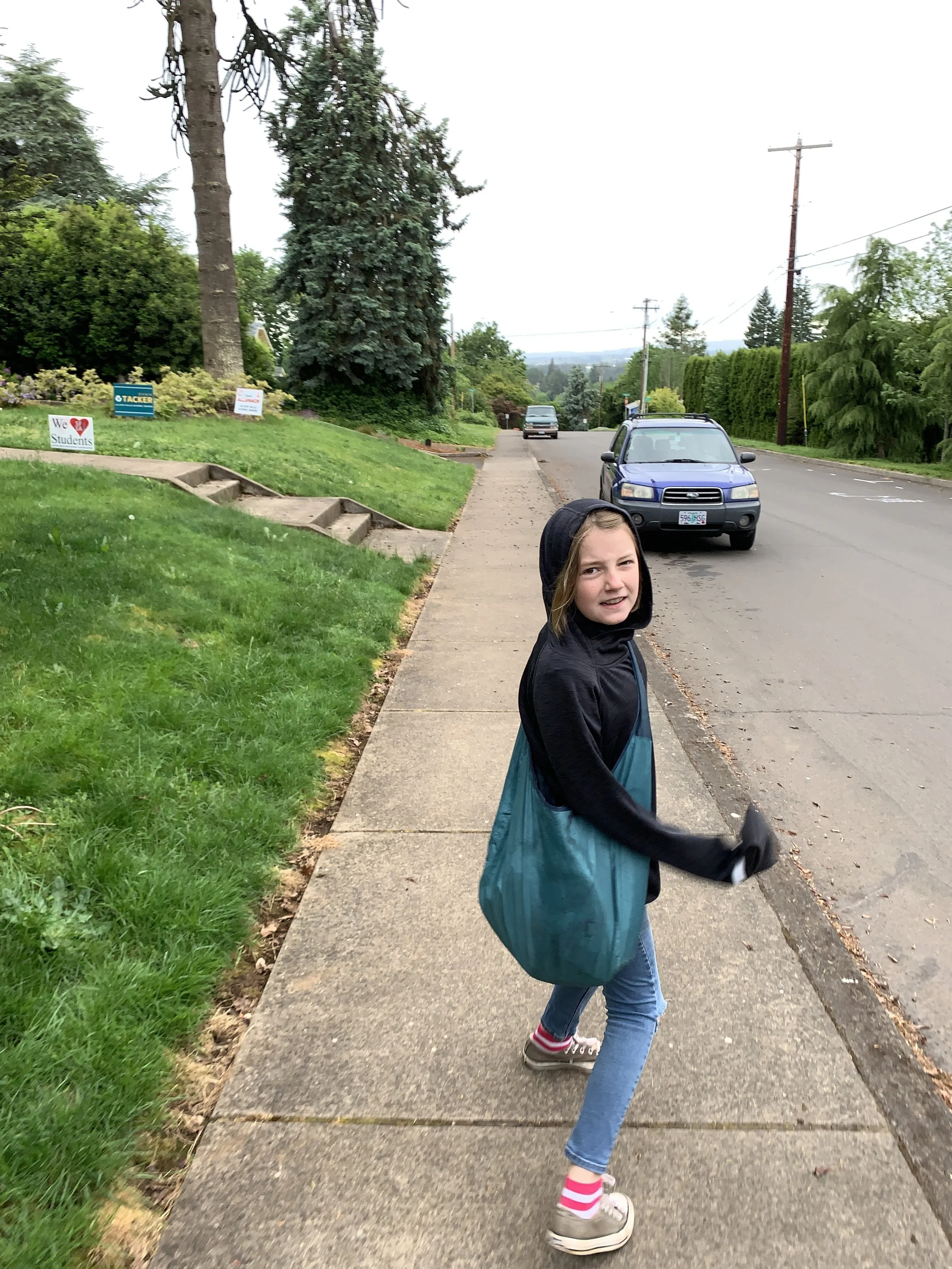
Read MoreI asked my daughter a simple question on the way to school one morning. Her response gave a valuable kids-eye-view of the neighborhood…both as it is and as it could be.
Read More