A beautiful new protected bike lane in Austin is slowing motorists, protecting cyclists and pedestrians, and connecting the community. And they did it without having to wait for the most expensive, time-consuming materials.
Read More
A beautiful new protected bike lane in Austin is slowing motorists, protecting cyclists and pedestrians, and connecting the community. And they did it without having to wait for the most expensive, time-consuming materials.
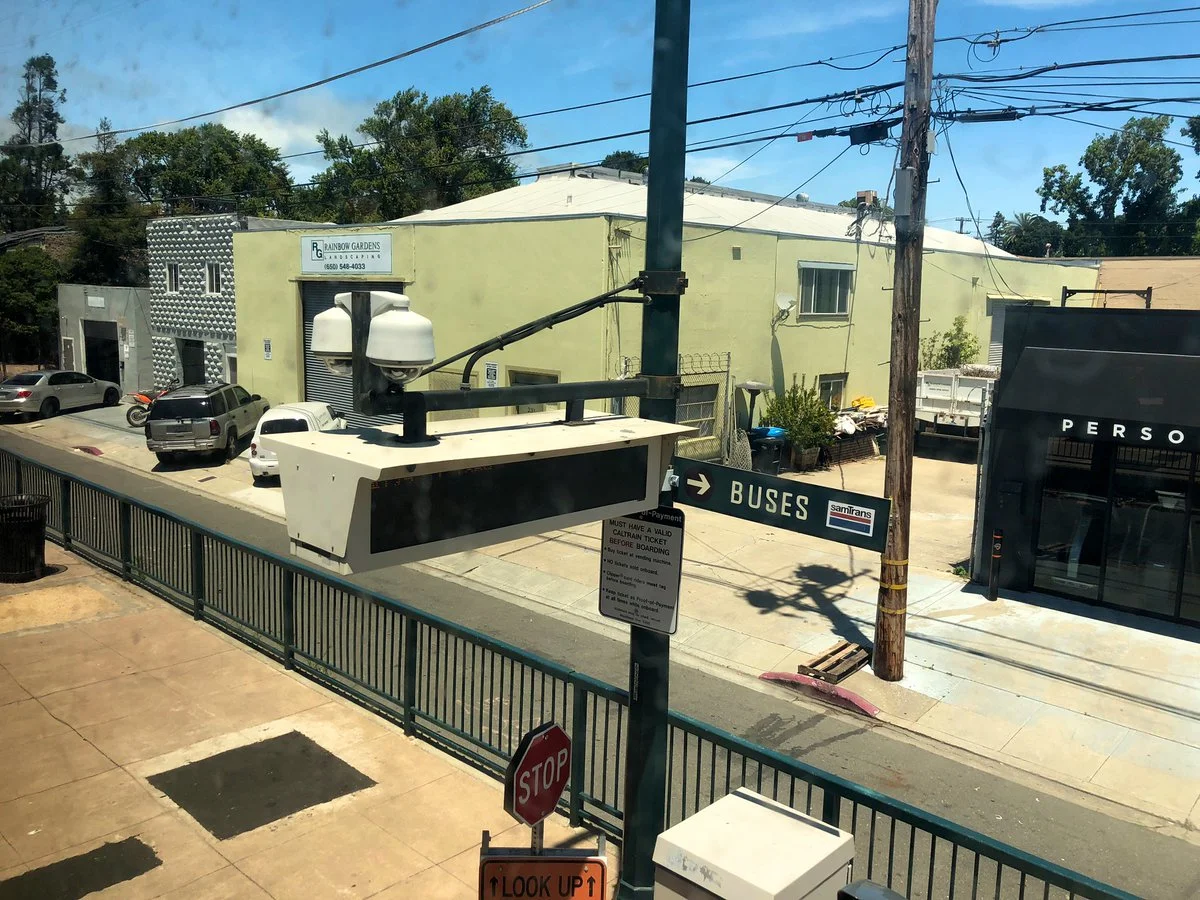
Read MoreCommuter rail stations in the San Francisco Bay Area should be some of the most valuable land in the region (and by extension, the world). So why are there so many parking lots and one-story buildings right next to them?
Read MoreLexington, Kentucky recently proposed an ordinance that would allow accessory dwelling units. Nolan Gray explains how ADUs are good for renters, good for homeowners, and good for the city — and why Lexington’s ordinance is (almost) perfect.
Read MoreGreg Wright—Executive Director at CREATE Portage County—shares how you can foster creative (and financially resilient) communities where you live, including how to inspire creative residents, how to demonstrate the economic impact of creativity, and why you should root all initiatives in a “small and smart” way.
The Poet Laureate of Mississippi reflects on her adopted South and on the Southern tradition of front porch-sitting: “No other architectural space is so deliciously not/and: not inside, not outside. Not public, not private. Not house, not garden.”
Read MoreOnce a month we host Ask Strong Towns, a members-only live Q&A webcast. Here’s the video and audio from August 2019’s edition.
Read MoreOnce ubiquitous, then endangered, the American front porch is making a comeback. From rocking chairs to rock music, a conference near Oxford, Mississippi celebrates the past, present, and future of the surprisingly powerful front porch.
Read MoreThe United States isn’t France, but there are still plenty of lessons to be learned—and myths to be busted—by looking at the way their streets are designed to build wealth.
Read MoreIn North America, stadium projects are almost synonymous with silver bullet disasters. But does that have to be true?
Read MoreCopenhagen’s famous biking culture—over 3 out of every 5 commutes are by bike—is lauded internationally as an achievement for the environment, public health, and—we’d add—fiscal sustainability alike. But they didn’t get there just by building bike lanes.
Read MoreWe’ve been taught that a growing city inevitably needs wider highways. Even those who oppose specific road projects often accept this premise. But is it actually true?
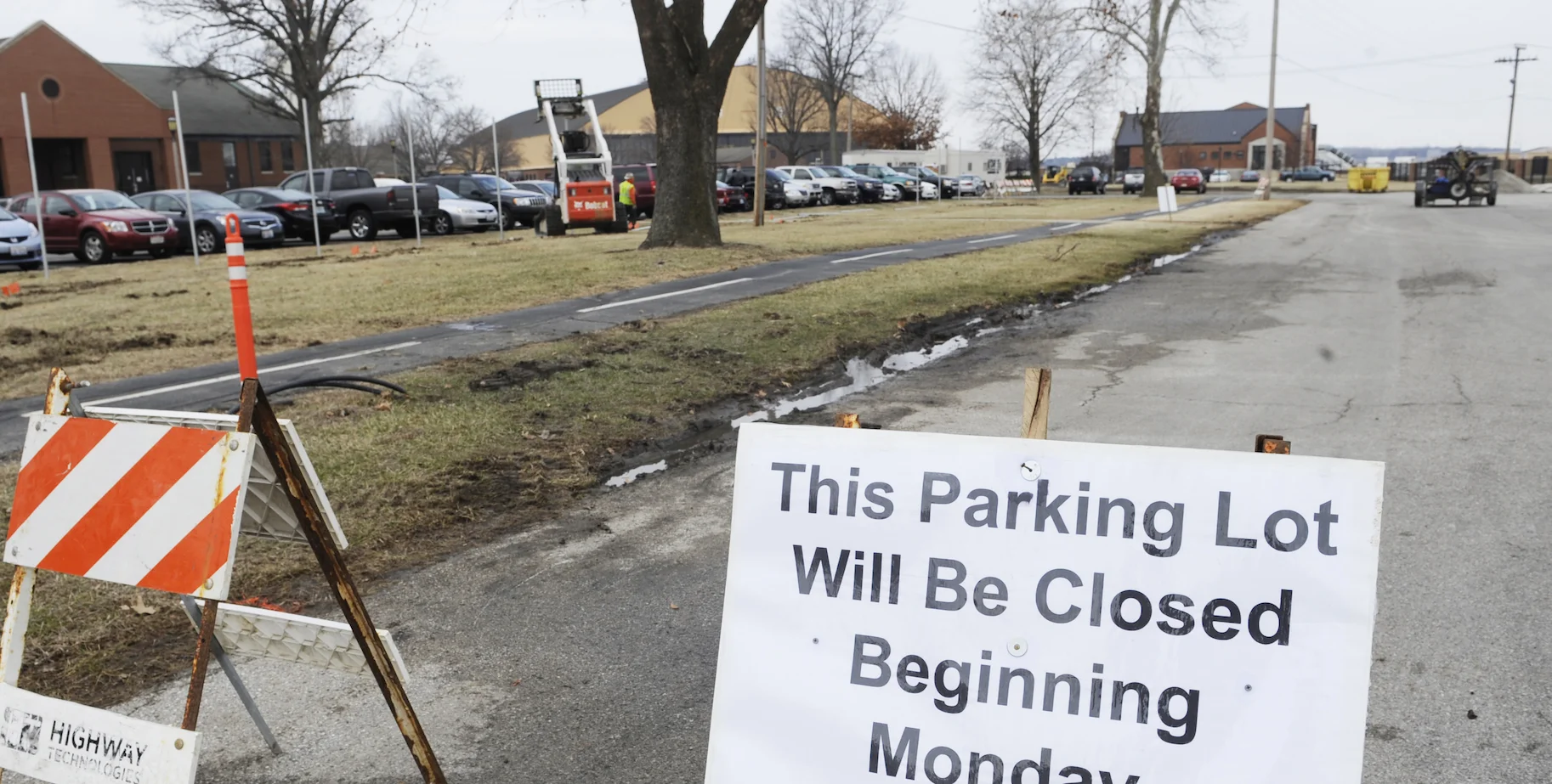
Read MoreWhen my school district proposed tearing down buildings for parking, I and others suggested there were more creative and less destructive ways to solve these problems. We were scoffed at, and we lost. Hate to say, “I told you so,” but….
Read MoreIs the Strong America Tour coming to your town?
Read MoreOur special celebrity guest for the September edition of our "Ask Strong Towns webcast is Dan Burden, Director of Innovation and Inspiration at Blue Zones and one of Planetizen’s 100 Most Influential Urbanists.
Read MoreStrong Towns member Ben Harrison shares his experience serving on a citizen advisory committee and why you should run for something in your own community, including how to pitch your vision to city staff, how to introduce Strong Towns principles, and, how serving on these committees can help you feel closer to your community.
If your goal is to promote public safety, design streets for the humans you have, not the perfectly obedient ones you wish you had.
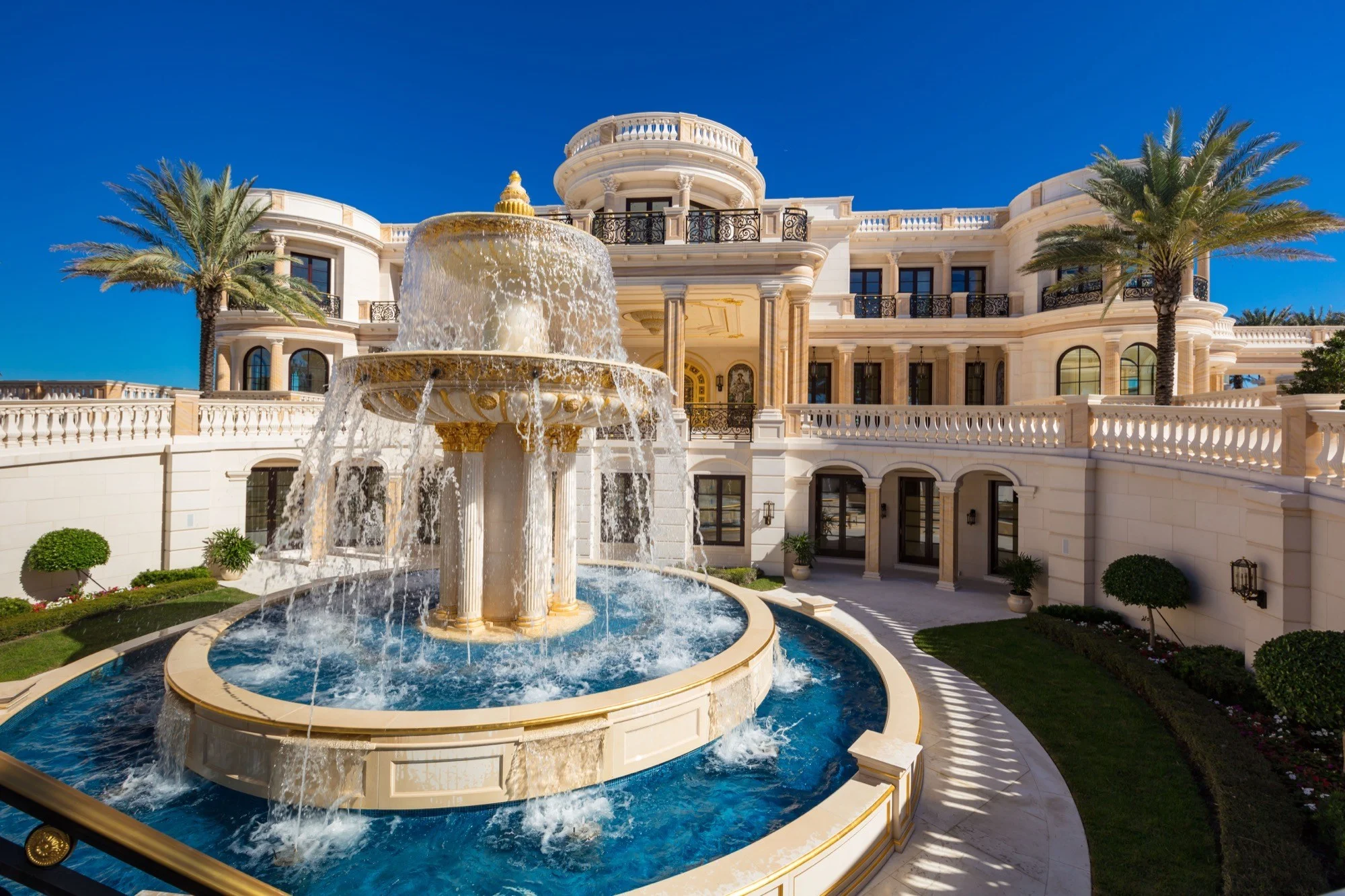
Read MoreSouth Florida is known for its luxurious lifestyle and extravagant beachfront homes. These mansions must reel in big bucks for the city, right? Let’s see how productive they really are when we #DoTheMath.
Read More“Sustainable” is a buzzword that often conjures images of technological wizardry aimed at solving environmental problems. But what if our ancestors knew a lot more about sustainability than we give them credit for?
Read MoreWhy does infrastructure cost so much to build in the U.S.? The fundamental reasons aren’t technical. We’ve structured our postwar economy to use overspending on infrastructure as a way to induce short-term growth.
Read MoreEvery year, Black Rock City burns down. But could it be the role model your city needs?
Read More