You probably use Zillow to shop fantasy mansions in cities you could never afford. But would you sell them your house?
Read More
You probably use Zillow to shop fantasy mansions in cities you could never afford. But would you sell them your house?
Read MoreYour Strong Towns Knowledge Base question of the week, answered here.
Read MoreIn a “sort-by-price” world, you should be careful getting into a race to the bottom. This applies as much to cities as businesses.
Read MoreAcademic evidence doesn’t do much to shift public opinion about housing policy. What’s missing is trust—and cultivating that requires a different approach.
Read MoreStrong Towns’s own Kea Wilson discusses what her time as a bookseller at Left Bank Books in St. Louis taught her about making local businesses a third place, including what building a third place actually looks like, how third places are more economically resilient, and how you can make your local business a third place.
Read MoreThe answer might not be what you expect.
Read MoreRegional fragmentation allows cities to pursue quick growth and shift the long-term costs onto their neighbors. Can a proposal to merge St. Louis with its suburbs make the region stronger by fixing these incentives?
Read MoreThe allure of a silver-bullet economic development project is like that boat you buy for a low, low down payment. You know, the one that ended up sitting in your driveway under a tarp for years. Just ask Memphis.
Read MoreRevisiting a 2017 conversation between Charles Marohn and Chris Arnade about the toll of economic and social disintegration in American communities.
Read MoreAmazon has pulled out of the deal with New York City. It’s unlikely subsidies are going away, so what can other cities learn so they don’t repeat mistakes?
Read MoreThis week we talked about megaprojects, from the precarious future of California high-speed rail to the precarious financial math behind the ambitious Green New Deal proposal. And we shared a couple lessons in how to productively think small about our cities instead.
Read MoreYour daily commute sucks. Is it also making you go broke?
Read MoreEvery Friday, we spotlight an answer to one of your questions from the Strong Towns Knowledge Base.
Read MoreEven in cities that tout their commitment to walkability, once it snows, those who walk (and roll!) often aren’t treated as equally important street users.
Read MoreIt matters what size chunks we build our cities in. Making room for many small-scale development projects on small lots is the universal historical model for a reason, and modern cities could stand to get back to it.
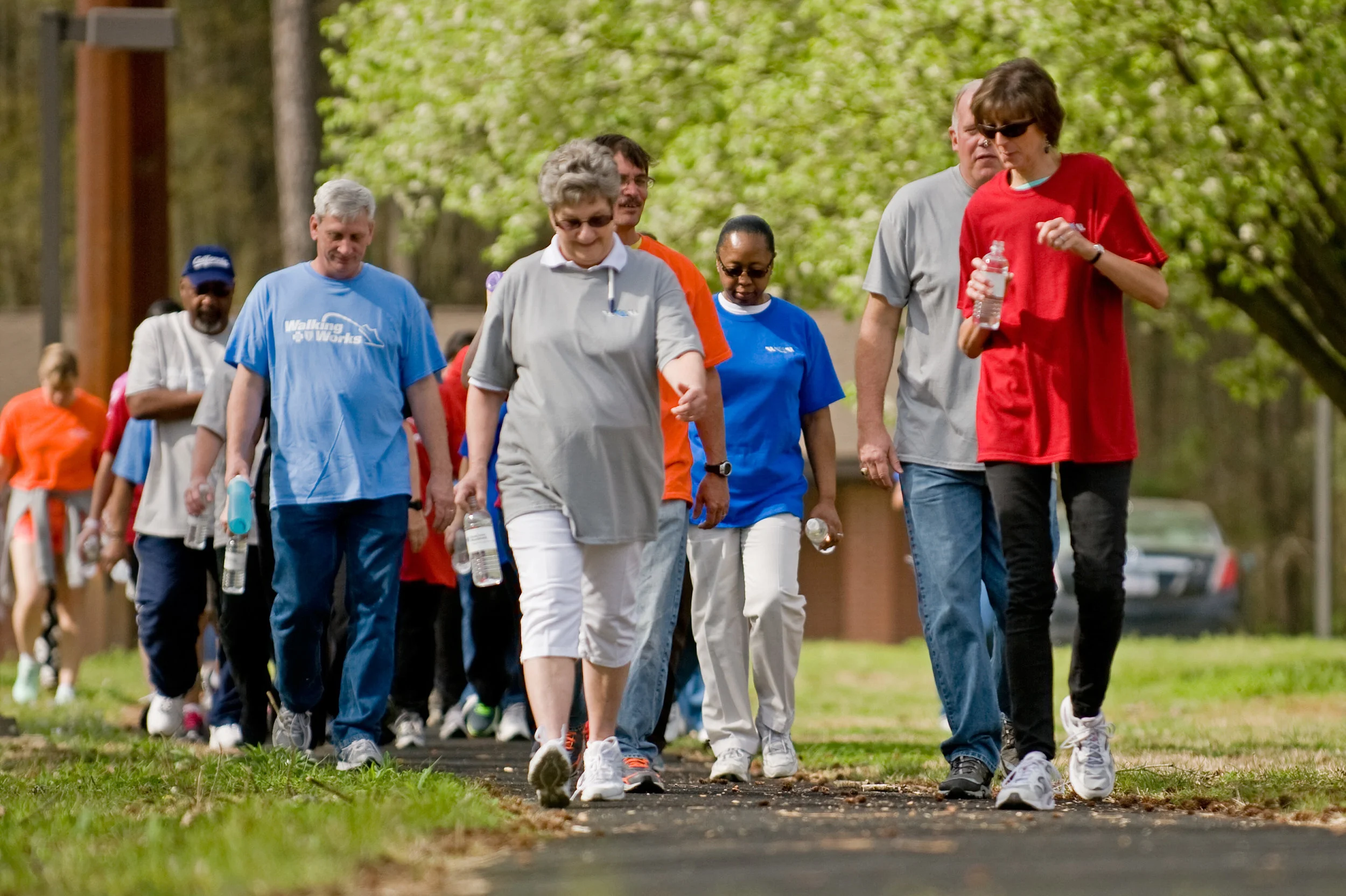
Read MoreIn this episode of our podcast It’s the Little Things, Jacob chats with Dustin Ratcliff—founding member of Walk2Connect—about how you can connect with your community on foot, including how to motivate your neighbors to form a walking group, how to use your walking group to influence how your city or town is develop, and how connecting with your community on foot makes our cities and towns stronger.
Read MoreOur next Ask Strong Towns: Celebrity Edition webcast features special guest Alan Mallach, author of The Divided City. Sign up to ask him your questions in this members-only live Q&A on March 21st!
Read MoreCalifornia’s high-speed rail project appears indefinitely on hold. What is the opportunity cost of all the things the state hasn’t done during the decade-plus its leaders have spent fixated on this?
Read MoreRust Belt cities have endured difficult losses, and no matter how hard they’ve tried, they have never quite been able to shake the financial and psychological wounds. So today, we’re taking the American city to therapy.
Read MoreIt is important when we design a building or a neighborhood to look at how it feels and interacts with the street. Too often, new development feels designed from a helicopter’s-eye-view.
Read More