The fallout from the pandemic is spurring a housing re-shuffling in San Francisco. And not just from people fleeing the city—but people moving to the city and within the city.
Read More
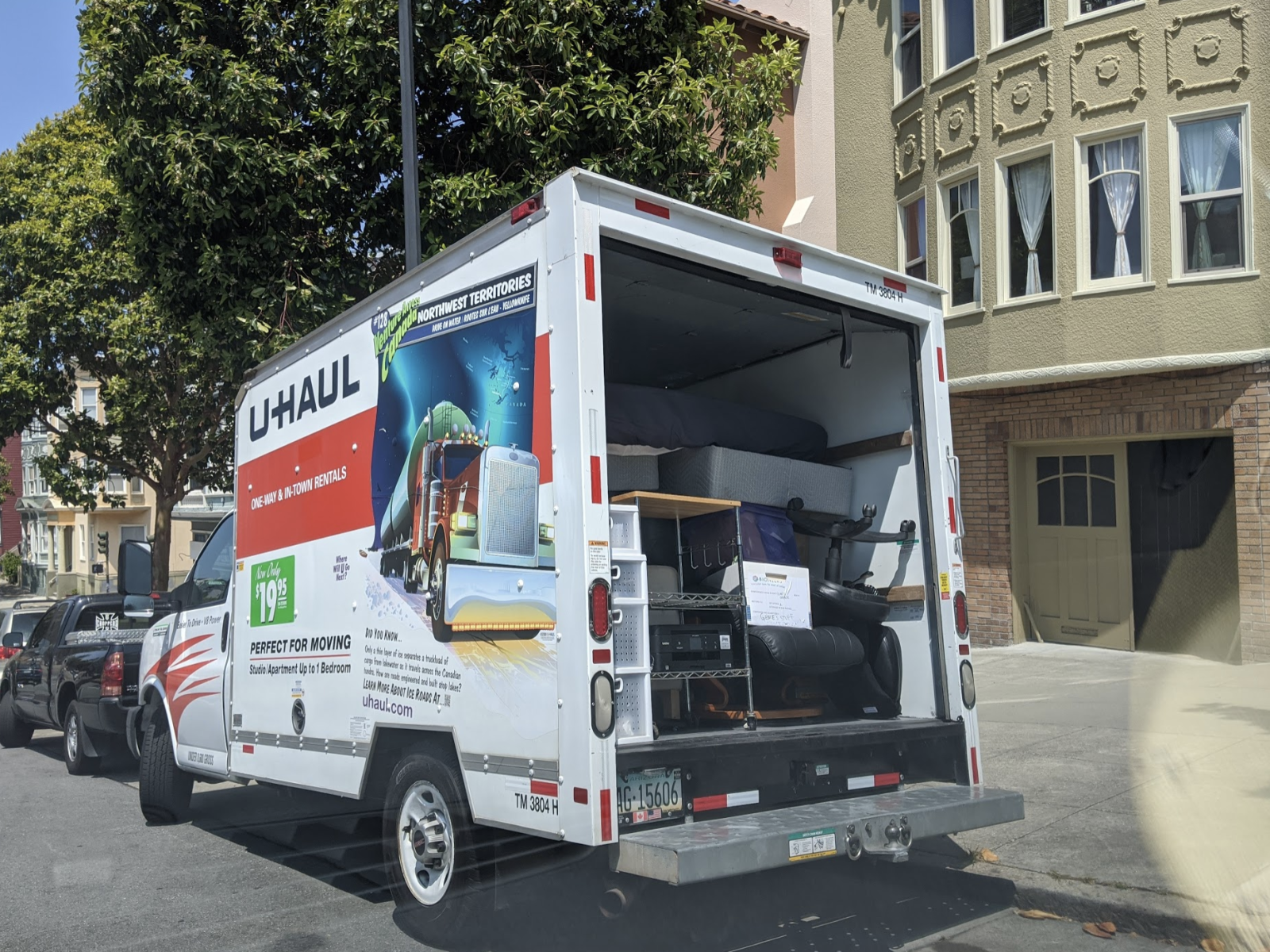
The fallout from the pandemic is spurring a housing re-shuffling in San Francisco. And not just from people fleeing the city—but people moving to the city and within the city.
Read MoreWhen we let leaders make all the decisions behind closed doors, we not only risk a bad outcome—we also miss a chance to learn more about our neighbors’ needs and concerns.
Read MorePlano, Texas is the unfortunate object lesson: We can’t solve the Suburban Experiment using the same kind of thinking we used when we created the Suburban Experiment.
Read MoreAs the housing crisis grows more severe, cities are looking outside the box for solutions. Case in point, a program in Israel that became a significant source of new housing, almost by accident.
Read MoreA bill making its way through the Vermont legislature could be a model for making communities more affordable, more walkable, and more prosperous.
Read MoreA new ordinance in Austin is trying to slow drivers and protect pedestrians. But does the city’s plan go far enough in addressing a key factor in creating safer streets: street design?
Read MoreOften lost in debates about whether or not to “subsidize” transit: the total cost of a system in which everyone drives is much higher than the total cost of a system in which other forms of transportation are attractive alternatives.
Read MoreAccessory Commercial Units spur entrepreneurship and build a city’s prosperity. The problem? Many zoning laws make them functionally illegal.
Read MoreHow pandemics (past and present) have changed architecture, farming at a more humane scale, and why humility should be at the center of social change. These are a few of the articles from around the web that Strong Towns staffers were reading and talking about this week.
Read MorePeople working to build stronger and more resilient communities will find, in the work of this Kentucky farmer, a voice of clarity and sanity.
Read MoreMessaging shapes action, and action shapes communities. That’s why we need to get serious about talking about all that’s going right in our towns and cities.
Read MorePortland, Oregon has joined the ranks of cities ending their apartment bans and allowing the next increment of residential development everywhere. Here’s a run-down of why they just might have passed the best such policy yet.
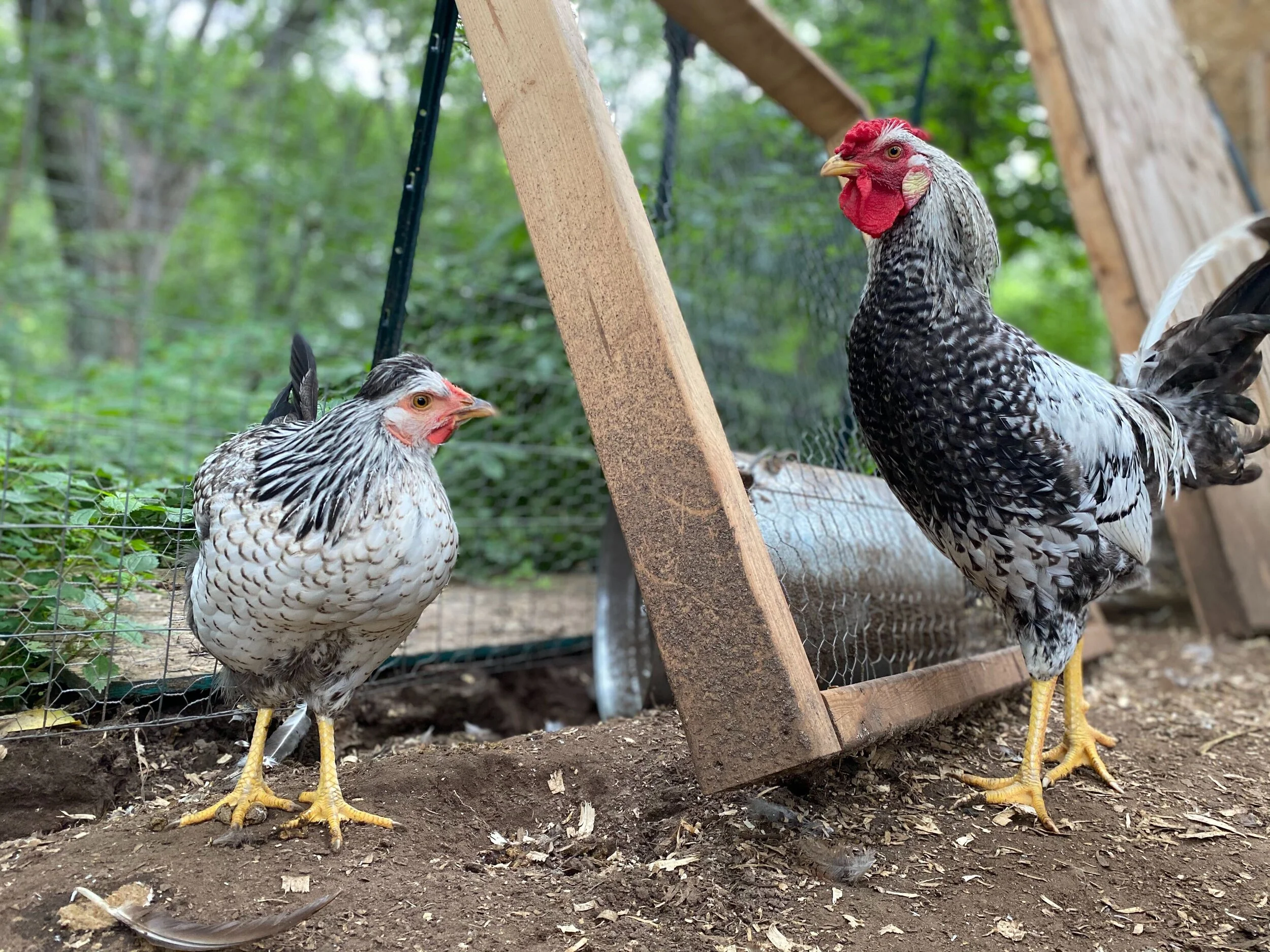
Read MoreRaising poultry allows people to bring their food systems closer to home and build resilience. The problem? Raising chickens is illegal—or regulated into prohibitive expense—in many communities.
Read MoreSan Elizario’s creative “City In a Box” program is spurring entrepreneurship, while also addressing food scarcity and helping the town weather the coronavirus storm.
Read MoreBoulder, Colorado is one of the most complex and competitive housing markets in the country. A ballot initiative that would have helped renters (and those with rooms to rent) died recently under strange circumstances.
Read MoreExtend the "open streets" and sidewalk dining revolution to include a fair shake for the smallest of small entrepreneurs.
Read MoreSome ideas—like making sure you have an abundant, resilient food supply—seem old-fashioned or even reactionary…until a crisis hits.
Read MorePlano’s first comprehensive plan in 30 years contained good faith efforts to address the city’s looming financial crisis. The city council just scrapped it, reverting to the status quo development approach that caused the crisis to begin with.
Read MoreThe suburban development pattern has been putting enormous pressure on small businesses for decades. Now with the pandemic, the razor’s edge of survival somehow got even narrower.
Read MoreA detailed analysis of 12 cul-de-sacs show the Suburban Experiment is a dead end. What will it take to make this city solvent?
Read More