Last November, Minneapolis made duplexes and triplexes legal on any residential lot—an achievement that became a model for other towns and cities. Let’s check in.
Read More
Last November, Minneapolis made duplexes and triplexes legal on any residential lot—an achievement that became a model for other towns and cities. Let’s check in.
Read MoreZoning reform is an opportunity for common ground for those on the political Right and Left. What will it take to get there?
Read MoreStrong Towns has an open position. If you want to be part of the Strong Towns Team, this is your opportunity!
Read MoreThe streetcar suburb was the dominant development type in American cities between about 1890-1930. What lessons can we learn about how to build our cities today?
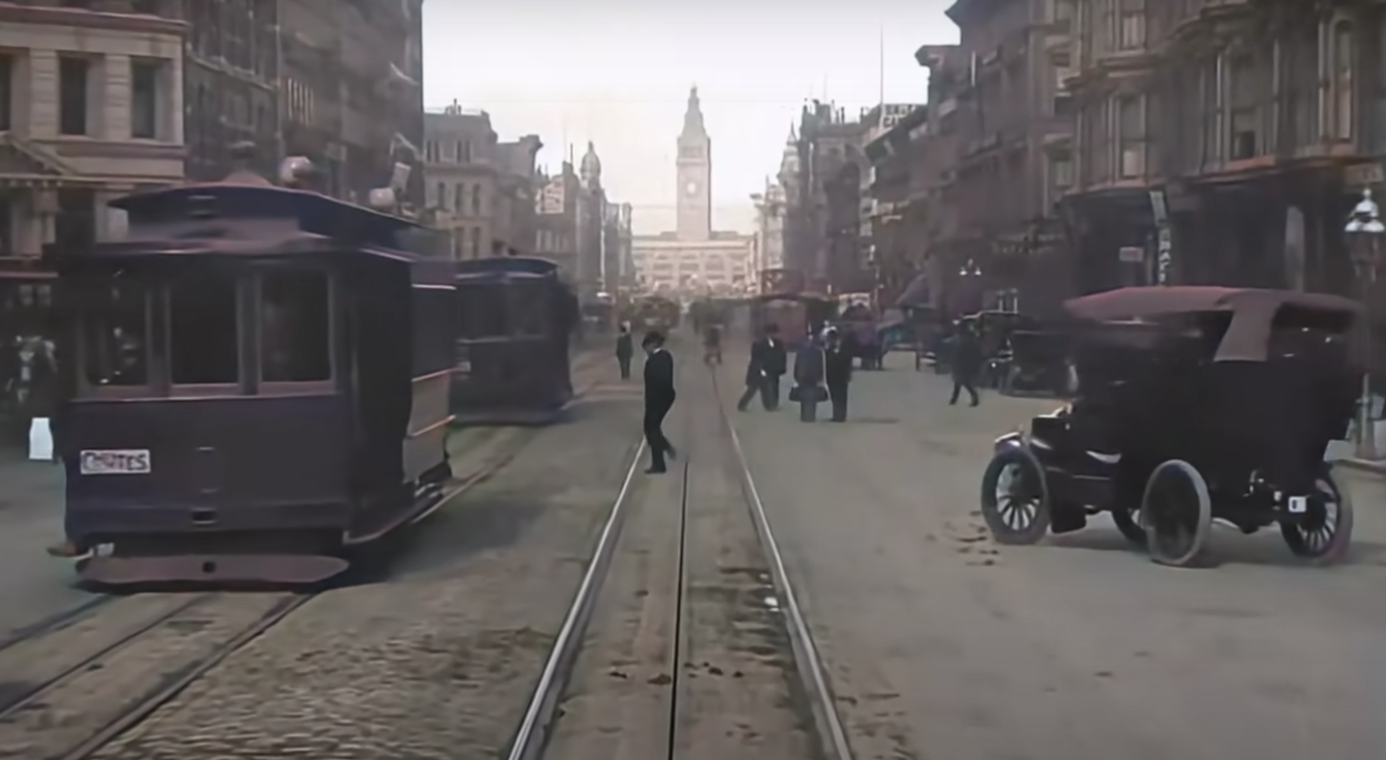
Read MoreAn incredible video from 1906 San Francisco—colorized and digitally remastered—depicts a time when streets were truly available for every type of user.
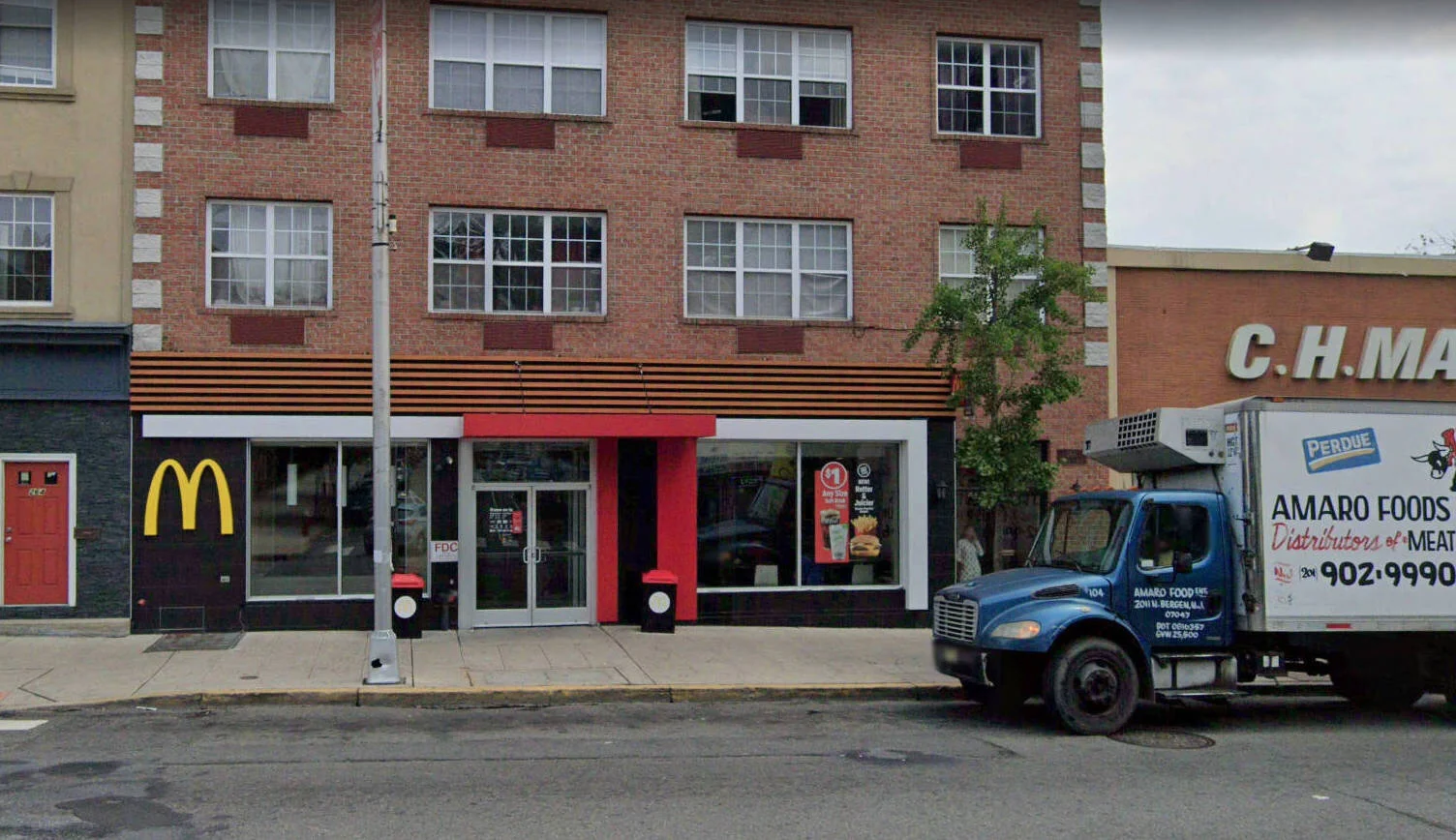
Read MoreChain stores often claim they can’t break from their standard design templates when moving into your city. Don’t believe it.
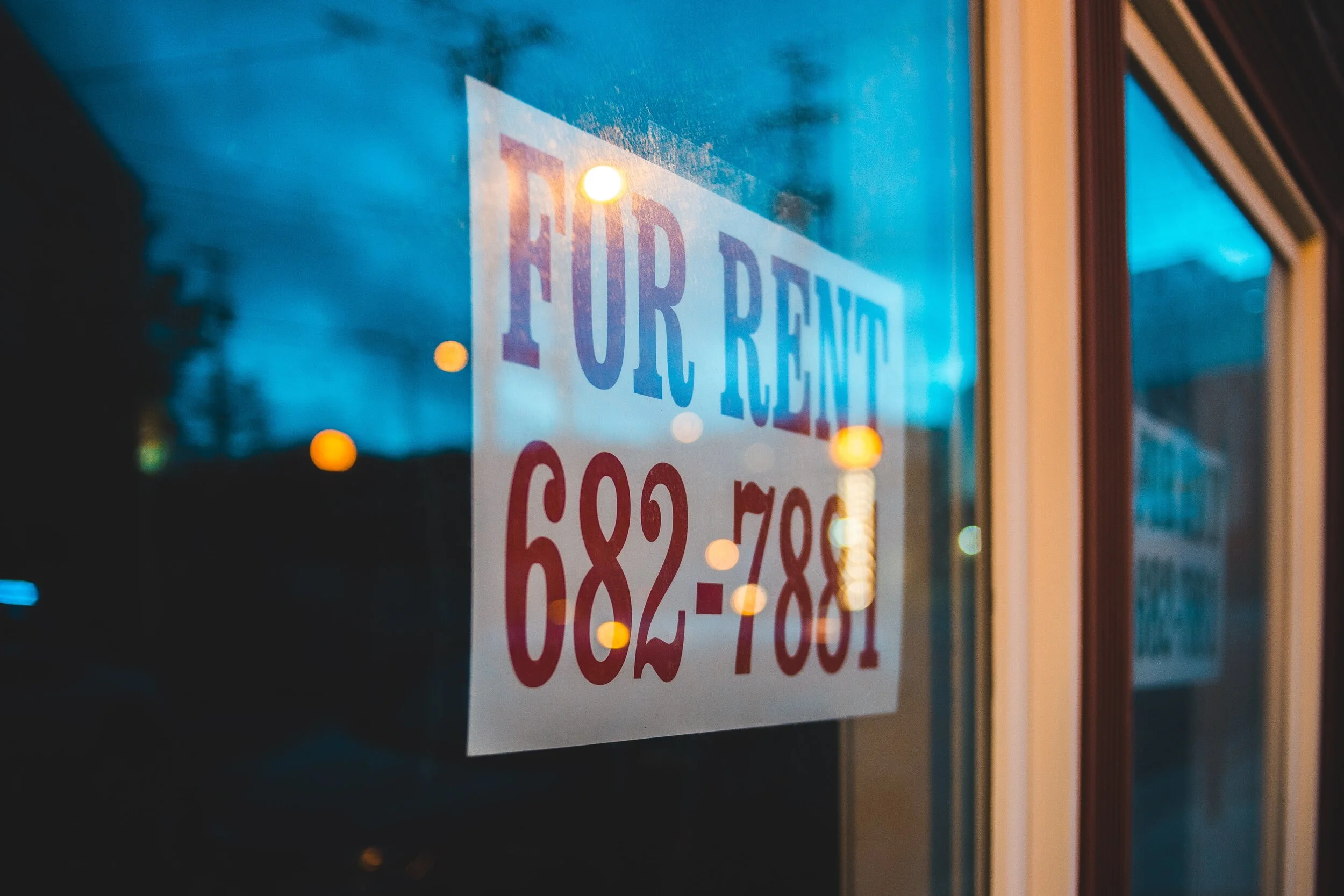
Read MoreVacancy rates are a crucial piece of bottom-up feedback. They can tell us when the housing ecosystem is out of equilibrium. But there are larger questions they can’t answer.
Read MoreThe “growth machine” is too big to fail. What if it fails anyway?
Read MorePulling back the curtains on travel demand forecasting, a timely series on rural mayors, and why some neighborhoods are hotter than others. These are just a few of the stories from around the web that Strong Towns staffers were reading and talking about this week.
Read MorePonzi schemes fail because they are built on illusions: there is no there there. So what happens when an entire continent of towns and cities is caught up in a kind of Growth Ponzi Scheme? We are finding out.
Read MoreWhen you want to change a community, you begin by changing your own behaviors. Here are 9 small (yet powerful) actions to get started.
Read MoreMost public engagement is “worse than worthless.” But it doesn’t have to be. These 5 basic steps will lay the groundwork for a community where residents truly guide the future of their city.
Read MoreThe pandemic is exposing the fragility of the New York City’s rental economy. Vacancy rates are the highest they’ve been in over 10 years, and rent costs are dropping. What might this say about the city’s long road to recovery?
Read MoreParking is so ubiquitous that it’s hard to see just how much we have of it. But the data shows us. The data also reveals what a waste of precious resources all that parking is.
Read MoreQuick, inexpensive interventions do more than add a little color to a place. They can catalyze the transformation of a neighborhood into a better connected, more prosperous place.
Read MoreAn unproductive intersection looks different to different people: engineers, departments of transportation, tax assessors, etc. But bringing it to life starts with seeing it through still someone else’s eyes.
Read MoreThe oldest buildings in your city have endured for a reason. They’re also the ones most likely to be around long into the future. Why not show them a little love?
Read MoreWe’ve engineered our streets for high performance when we should be engineering them for safety. Now’s the time to unwind the mess. Here’s how to do it.
Read MoreHouse-hunting in L.A., who will shape the future of New York City, and the fascinating story of a single median on a single street in St. Paul. These are a few of the stories from around the web that Strong Towns staffers were reading and talking about this week.
Read MoreA program in Wisconsin demonstrates how small actions taken on the local level can have a huge financial and social impact on a community.
Read More